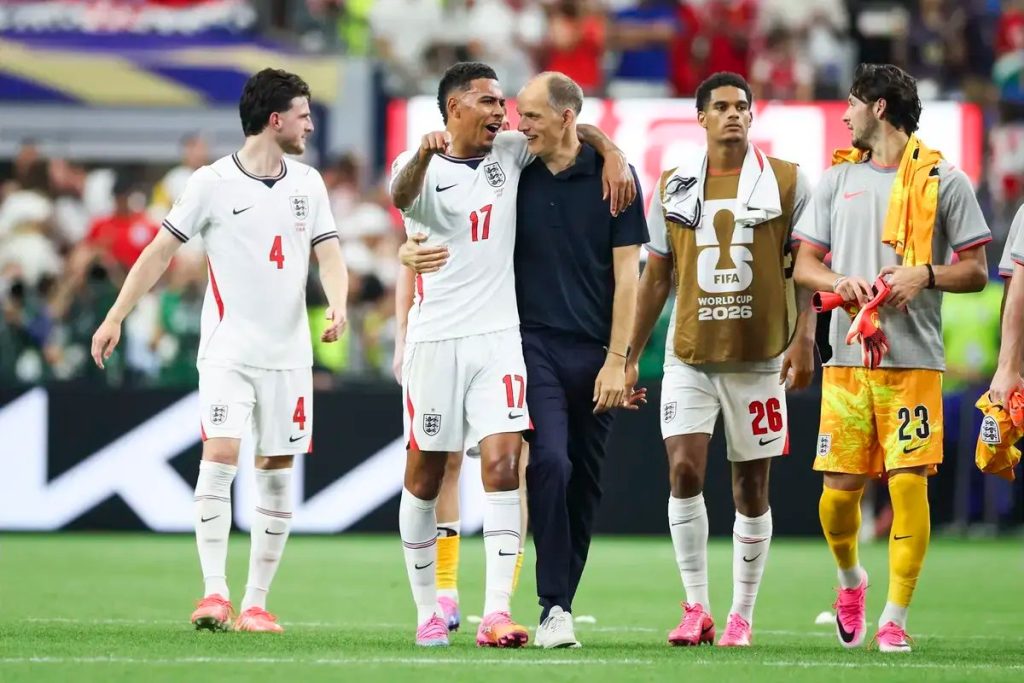
Unusual images and audible complaints from Thomas Tuchel forced FIFA to yield to unexpected pressure: the governing body of world football is set to alter the protocol for national anthems starting with the next matches of the 2026 World Cup. The English coach, visibly irritated, denounced what he considered to be a genuine “invasion of photographers” during the solemn moment of the anthems, a situation that prevented him from seeing his own players before the kickoff against Croatia. The echo of his words was heard in Zurich and FIFA, in a rare gesture, acceded to the request of the German coach.
The controversy erupted following England’s 4-2 victory over Croatia, in a match characterized by intensity both on and off the pitch. At the end of the game, Thomas Tuchel did not hide his discomfort: “I am asking FIFA to change the position of the photographers because I couldn’t see my team during the national anthem. I was looking forward to this moment,” he lamented to the international press. Footage captured before kick-off showed the coach energetically addressing the photographers: “You’re too close, guys. Very close. You’re so close that I can’t see anything,” he exclaimed, to the disbelief of those present.
The World Cup is experienced with LEGO.
The episode quickly went viral, prompting the English press to pressure FIFA for an immediate response. The organization, confronted with the images and statements from Tuchel, did not take long to react. A change to the pre-match protocol is now underway, which will involve the removal of photographers and the repositioning of technical teams to ensure an unobstructed view of the players during the anthem moment. The new guidance is expected to take effect in the upcoming matches of the tournament, altering decades of tradition and media logistics in major competitions.
This decision represents much more than a simple issue of logistics or ceremonial protocol. The playing of national anthems is one of the most symbolic and emotional moments of any international match, serving as a catalyst for unity and motivation for players, coaches, and fans. The invasion of photographers, driven by the desire to capture exclusive images, ended up transforming a moment of introspection and focus into a chaotic spectacle, where the main figures were pushed to the background. Thomas Tuchel’s gesture, however impulsive it may have seemed, draws attention to the need to preserve the solemnity of these minutes that are so laden with meaning.
FIFA, pressured by public opinion and the demands of one of the world’s most powerful federations, thus acknowledges the importance of adapting protocols to a new media reality. By announcing this change, it sets a precedent for other stakeholders to also claim better working conditions and respect for the key moments of each match. It remains to be seen how the practical implementation of this measure will be carried out, which will require a reorganization of the space at the edge of the pitch and a new code of conduct for image professionals.
For Thomas Tuchel, this victory off the pitch represents the achievement of a space of respect and dignity for coaches and technical teams. In the medium term, it is expected that the change in protocol will reduce distractions and restore the prominence that the protagonists deserve in the moments leading up to the start of each game. For FIFA, the decision comes as a response to a legitimate criticism, but it brings immediate logistical challenges, especially in a competition of the size and exposure of the World Cup. The organization will now have to ensure that, without hindering the work of the media, it restores to the national anthems the atmosphere of respect and solemnity that they are owed.
The next chapter of this case will be written in the upcoming matches of the 2026 World Cup, where all eyes will be on how FIFA will operationalize this new protocol. The pressure is on the organization, which cannot afford to fail in the implementation of an effective solution. If it succeeds, it will go down in history as the moment when the voice of a coach forced world football to change. If it fails, the controversy will only gain new momentum — and Tuchel, like other coaches, will not hesitate to return to the fray. One thing is certain: at the 2026 World Cup, even the moment of the anthems promises to be breathtaking.
NOW YOU CAN FOLLOW THE WORLD CUP WITH ALL THE INFORMATION – HERE
Discover more from Apito Final
Subscribe to get the latest posts sent to your email.