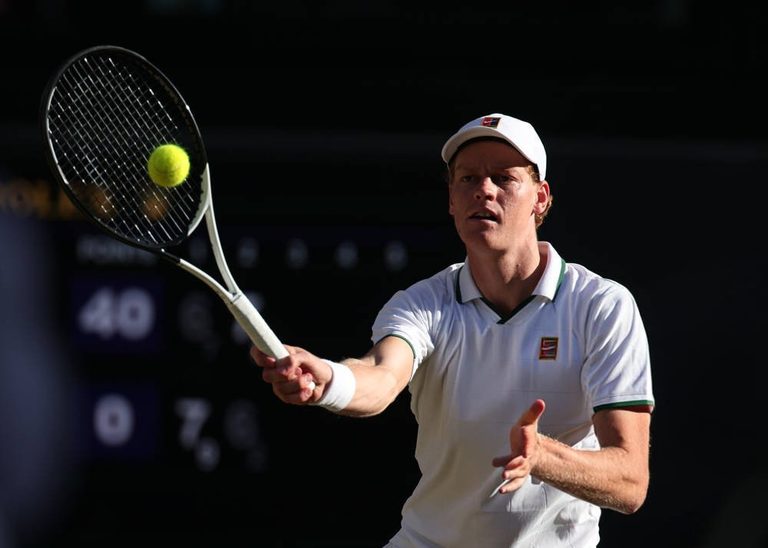
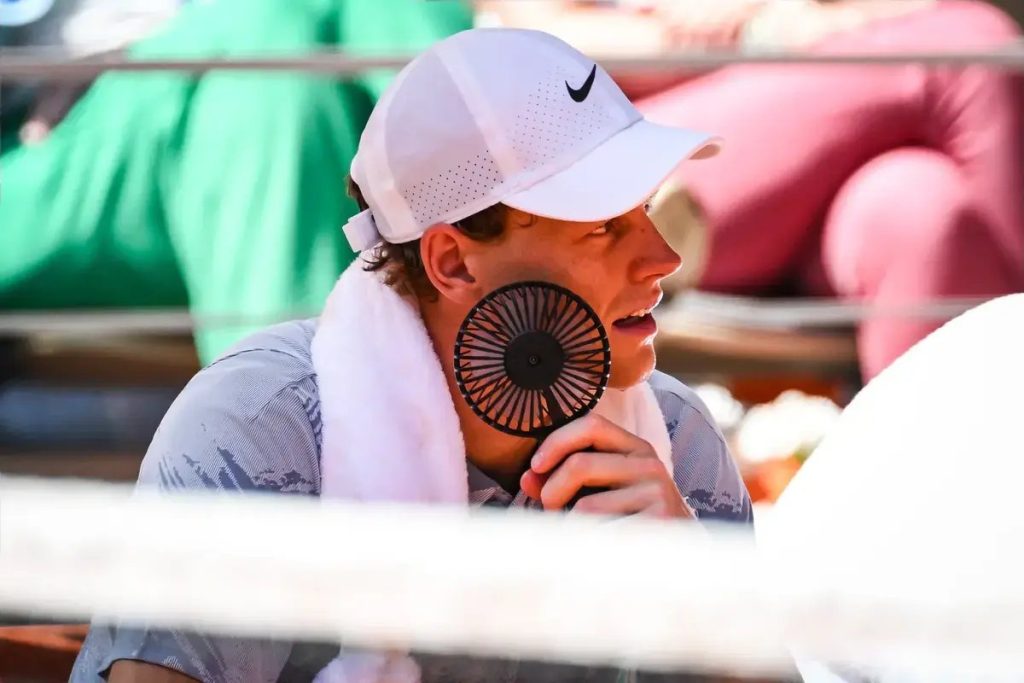
Jannik Sinner, the current world number one, is at the center of a potential revolution in tennis, emerging as one of the key figures considering a boycott of the US Open in the mixed doubles category due to widespread discontent with prize money and player welfare conditions. The tension between the circuit’s top players and the organizers of the Grand Slams has reached unprecedented levels, with more and more stars threatening drastic measures if their demands are not met.
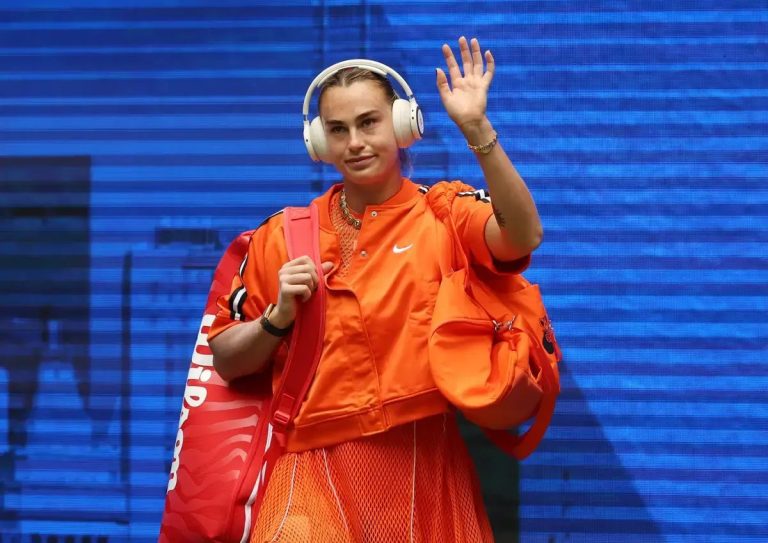
According to information revealed by The Times, Sinner, along with prominent names such as Aryna Sabalenka, Iga Swiatek, Coco Gauff, Jessica Pegula, and Taylor Fritz, has discussed the possibility of refusing to participate in the mixed doubles tournament at the US Open if there is no significant increase in prize money. These players had already shown signs of dissatisfaction prior to Roland Garros, publicly admitting the possibility of a boycott, although they opted to limit pre-tournament press conferences as a form of protest. However, the media focus shifted once the competition began, leaving the controversy in suspense – at least for now.
The 2026 WORLD CUP IS EXPERIENCED WITH LEGO.
The importance of this news goes beyond just the financial aspect; it highlights the negotiating power that leading figures in global tennis are beginning to gain against the organizing bodies. Wimbledon recently announced its largest prize pool ever, totaling £64.2 million, which includes £3.6 million for the winner and £80,000 for first-round exits. Despite this impressive amount, players consider it insufficient as they demand 22% of total revenues, which would amount to around £71 million. This discrepancy puts maximum pressure on the US Open, the final Grand Slam of the season, which could become the stage for a significant behind-the-scenes battle between athletes and the organization.
The impact of these threats is not limited to the tournament in New York, but can spread throughout the international tennis landscape, leading to a reconfiguration of the balance of power between players and governing bodies. Financial experts have already warned that targeted increases in prize money, such as that of Wimbledon, will not be enough to silence the demands. The athletes themselves, through the ATP and WTA, publicly responded to the announcement of the London Major’s prize money, claiming that it still falls short of their expectations and needs.
Uncertainty looms as the start of the US Open approaches. This year’s mixed doubles edition, whose new format was introduced in 2025, has become one of the highlights of the tournament, attracting players who usually focus on singles. Swiatek and Casper Ruud formed a duo, Carlos Alcaraz played alongside Emma Raducanu, Pegula teamed up with Jack Draper, Fritz joined Elena Rybakina, and even Novak Djokovic paired with Olga Danilovic. Despite the star power, it was the doubles specialists Sara Errani and Andrea Vavassori who lifted the trophy, taking home a prize of one million dollars.
In a context where the United States Tennis Association hopes to replicate its success and attract stars again for 2026, the threat of a boycott casts a shadow over the event. Jannik Sinner, who missed participation last year due to illness, is so far the only confirmed name as a potential supporter of the protest, but indications suggest that many others may join the cause.
Sinner himself, when questioned about the topic after the Madrid Masters, was emphatic: “Players must be treated with respect and fairness. We are not asking for privileges, but for a more equitable distribution of revenue. If there is no serious negotiation, we will have to consider all options.” These words from the Italian reflect the growing sense of outrage spreading through the locker room of world tennis, threatening to turn the US Open into a battleground for the future of the sport.
In the coming months, all eyes will be on the decisions of the players and organizations. Should the boycott proceed, it would deal a severe blow to the image and prestige of the US Open, as well as set a dangerous precedent for the other Grand Slams. The outcome of this saga could dictate a new era in labor relations in tennis, with athletes increasingly demanding an active voice in the management of profits and their working conditions both on and off the court.
Discover more from Apito Final
Subscribe to get the latest posts sent to your email.