


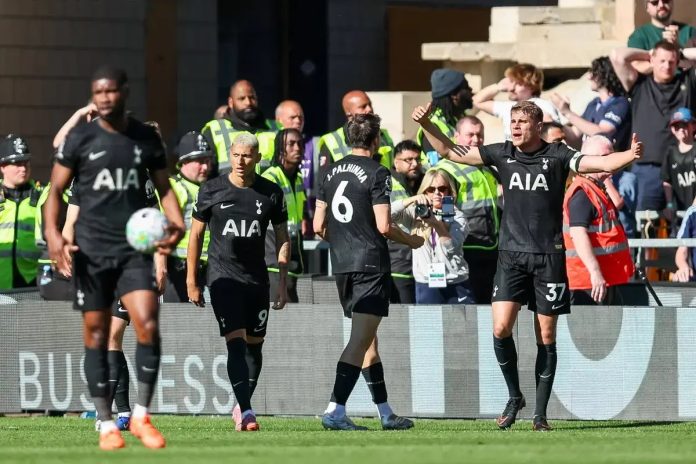
Tottenham Hotspur and West Ham United are at the center of one of the most intense and unusual rivalries in English football, a contest that goes beyond mere regional confrontation and has lasted an impressive 131 years. Now, this historic animosity is reaching dramatic levels, with both clubs embroiled in a desperate battle to avoid relegation to the Championship, in a season that could forever redefine the fortunes of these two London powerhouses.
The current scenario is tense: Tottenham, under the leadership of new manager Roberto De Zerbi, is fighting to avoid the disaster of relegation, while West Ham faces an equally challenging schedule. The recent 5-0 thrashing of Sunderland by Nottingham Forest has further increased the pressure, pointing to a possible fall for one of the clubs that have long shaped the football of the English capital.
The origins of this rivalry date back to the late 19th century. In 1898, West Ham, then known as Thames Ironworks, traveled to Tottenham to play a local match, unaware that this would be just the first of many clashes that would define one of the longest-standing rivalries in British football. Since then, the two clubs have met countless times in various competitions, from the Southern League to the Football League, accumulating 227 official encounters, intensifying a rivalry that seems far from over.
But it was in 2006 that this rivalry took on truly explosive contours. Jermain Jenas, former midfielder for Tottenham, recalls the episode that became known as ‘lasagna-gate’. In the final match of the season, with the team managed by Martin Jol fighting for fourth place and a historic qualification for the Champions League, most of the Tottenham players suffered food poisoning caused by a lasagna served at the team hotel just days before the decisive match at Upton Park, home of West Ham. The result? A 2-1 defeat that left the Spurs out of the Champions League, while the Hammers celebrated a historic victory. Jenas considers this episode the true turning point in the rivalry, marked by suspicions and resentments that still fuel animosity between the two clubs today.
If ‘lasagna-gate’ ignited the rivalry on the pitch, the conflict over the London Olympic Stadium, six years later, transformed it into a political and financial battle that has gone down in history. After the 2012 Olympic Games, Tottenham and West Ham fiercely contested the right to turn the Stratford stadium into their new home. Tottenham proposed a radical renovation, including the removal of the athletics track to bring fans closer to the pitch, while West Ham preferred to keep the track and reduce the stadium’s capacity, advocating for a more versatile model. The lack of agreement sparked a behind-the-scenes war that culminated in a controversial decision by the Olympic Park Legacy Committee, which initially chose West Ham. However, legal disputes with Spurs and public pressure forced the stadium to remain publicly owned, with West Ham eventually settling at the London Stadium, a venue that may soon witness the club’s fall to the English second division.
Today, with both clubs fighting to stay in the Premier League, the Tottenham vs West Ham rivalry remains one of the fiercest and most unpredictable in London football. A clash that is not just about football, but about history, pride, and survival, where each game can be decisive in determining who stays on top and who falls into the abyss of the Championship. Get ready for an epic battle until the last minute of this dramatic season!
This article first appeared on Apito Final.
Discover more from Apito Final
Subscribe to get the latest posts sent to your email.

