Chelsea plunges back into the whirlwind of managers: 18 since 2000!
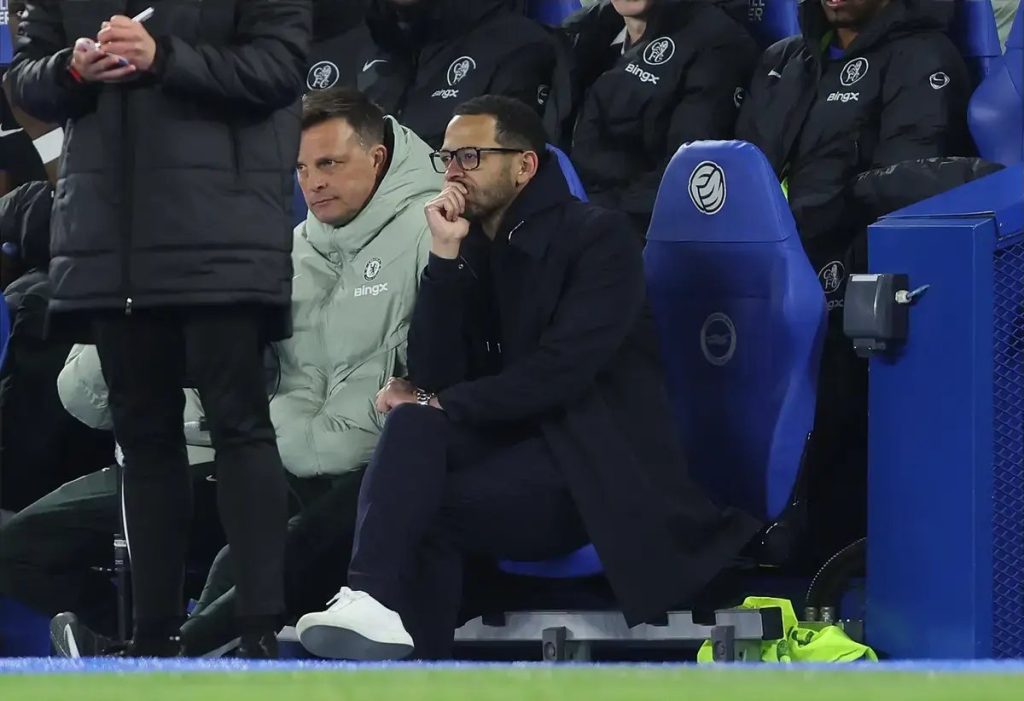
The eternal carousel of managers at Chelsea is back in full force. This week, the West London Blues took another step in their crazy dance of coaching changes, dismissing Liam Rosenior after just three months in charge. The 41-year-old coach, who replaced Enzo Maresca in January, saw his reign abruptly cut short, in a sequence that seems to have no end at Stamford Bridge.
Despite being a true rollercoaster, Chelsea does not even top the ranking of clubs with the most permanent changes at the helm since 2000. The Blues are in fifth place in the Premier League, with 18 different managers, excluding long-term interim coaches like Guus Hiddink (who has been at the club twice) and Rafael Benítez.
The undisputed champion in manager changes is Nottingham Forest, which has made 24 permanent changes in the coaching position just this century. The 2025/26 season was a complete chaos for the Reds, who had four different managers: Nuno Espírito Santo, Ange Postecoglou, Sean Dyche, and Vítor Pereira. This sequence not only set a new record for changes in a single year in the Premier League, but also saw Postecoglou have the shortest tenure in the history of the English league, lasting just 39 days in the role.
Other clubs that are not immune to instability include Leeds United, Sunderland, and Crystal Palace, all with over 20 permanent changes since 2000, revealing a worrying trend of a lack of continuity and stability.
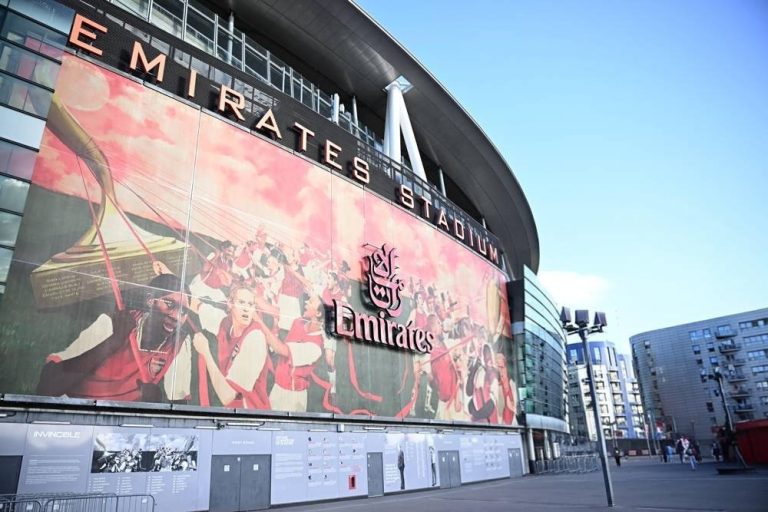
On the opposite end of the spectrum is Arsenal, which, thanks to the legendary Arsène Wenger – manager from 1996 to 2018 – has had only three permanent managers this century. Currently, Mikel Arteta is the second-longest-serving manager in the Premier League, behind only Pep Guardiola of Manchester City, demonstrating that stability can be synonymous with success and respect.
This analysis puts into perspective the importance of stability in modern football, where clubs like Chelsea seem to prefer constant change over solid construction. For fans, it becomes increasingly difficult to find a common thread, while clubs that invest in continuity reap the rewards.
With the statistics in hand, it is clear that English football lives a paradox: while some clubs retain their managers for long periods, others break negative records of turnover, in an incessant struggle that raises questions about the management and sporting strategy of the great giants of British football.
This article first appeared on Apito Final.
Discover more from Apito Final
Subscribe to get the latest posts sent to your email.