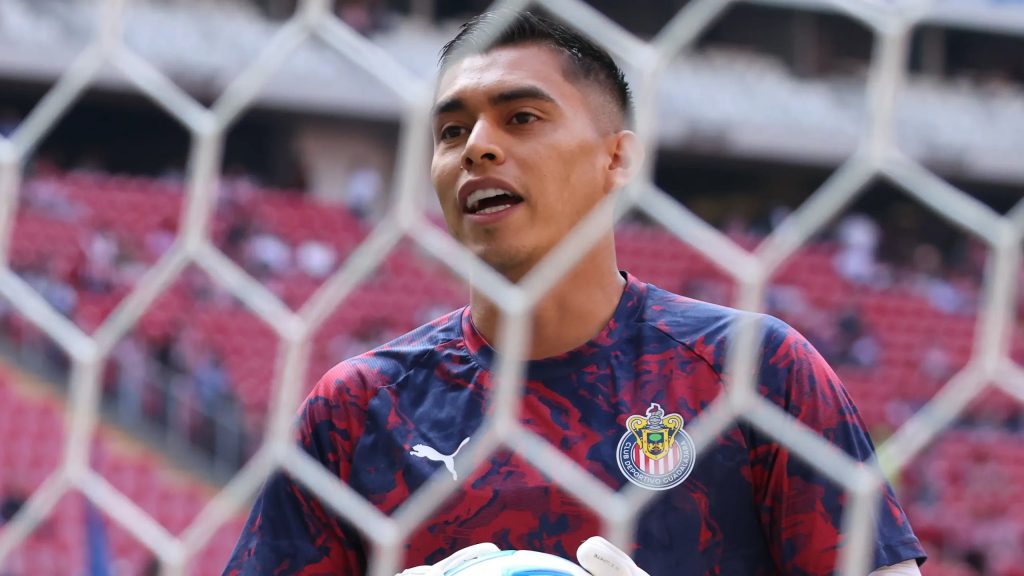
In the early hours of this Sunday, the Estadio Azteca was the scene of a clash between Mexico and Portugal, but it was not just the goalless draw that lingered in the memory of those present. The real scandal occurred in the stands, where Mexican goalkeeper José “Tala” Rangel was the target of homophobic chants from a segment of the fans of the host nation for the 2026 World Cup. This incident not only tarnishes the reputation of Mexican football but also puts the national team at risk of severe sanctions.
During the match, which was attended by Gianni Infantino, president of FIFA, the insults were so audible that the organization was forced to intervene, attempting to drown out the offensive shouts with music. Despite this effort, the actions of the fans did not go unnoticed, and the possibility of a fine for the Mexican national team now looms.
Reports from the Mexican site “Récord” suggest that the homophobic chants may have been motivated by dissatisfaction with Rangel’s presence in goal, with many fans calling for the return of Guillermo Ochoa. The 40-year-old veteran, who made history by participating in four consecutive World Cups, appears to be the figure that fans want to see back, reflecting a clear divide between the fan base and the current choice of the coaching staff.
This episode raises serious questions about the culture of Mexican fans and how homophobia still persists in environments that should promote inclusion and respect. FIFA, which has already taken a stand against discriminatory behavior, may take drastic measures against the national team, which now finds itself embroiled in controversy ahead of one of the biggest sporting events in the world.
José “Tala” Rangel, the goalkeeper in question, now faces not only the pressure of defending his nation but also the weight of the insults received, in a situation that undoubtedly tarnishes the spirit of football and its ability to unite. What is expected is that sports authorities take stringent actions to eradicate behaviors like this and that fans reflect on the consequences of their words and actions. The future of Mexican football may depend on the ability to move away from toxic attitudes and build a more welcoming environment for all.
This article first appeared on Apito Final.
Discover more from Apito Final
Subscribe to get the latest posts sent to your email.