


The Premier League has been a fertile ground for dramatic twists, especially when it comes to the dismissal of managers following disasters in European competitions. Iconic clubs such as Arsenal, Chelsea, and Tottenham have made the ruthless decision to part ways with their leaders during times of crisis on the continental stage. We analyze the most notable cases of coaches who lost their jobs after failures in Europe, revealing how poor performances can trigger severe and often unexpected consequences.
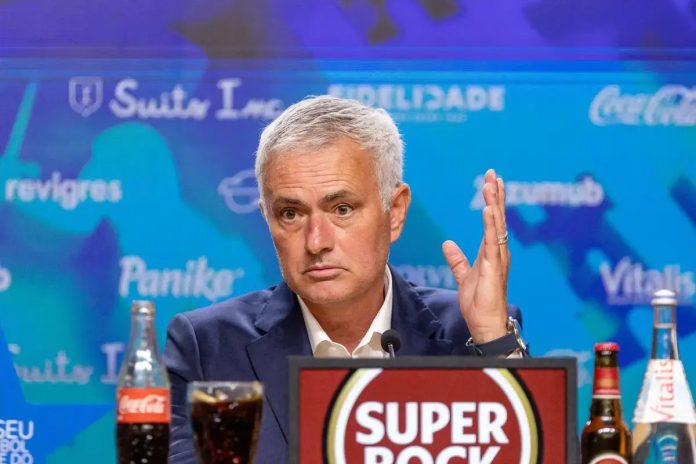
José Mourinho, the “Special One,” saw his first spell at Chelsea end tragically after a 1-1 draw with Rosenborg in a nearly empty Stamford Bridge in 2007. The tension between Mourinho and owner Roman Abramovich was already palpable, especially after the controversy surrounding the signing of Andriy Shevchenko. Ironically, it was Shevchenko who scored against Rosenborg, demonstrating how the gods of football love to toy with fate.
Another emblematic case was that of Martin Jol, who was dismissed during a match between Tottenham and Getafe in the UEFA Cup in 2007. The surreal atmosphere of the second half saw discontent among Spurs fans, despite Jol having led the team to two consecutive fifth-place finishes. However, the pressure from Daniel Levy, with significant investment in the squad, left no room for error, and Jol paid the price.
Juande Ramos, who also had no luck, saw his time at Tottenham come to an end after a disastrous start of two points in eight league games in 2008. The last straw was a 2-0 defeat to Udinese in the UEFA Cup, which led to the swift hiring of Harry Redknapp, who quickly turned the situation around.
Roberto Di Matteo, who had won the Champions League in 2012, was dismissed just six months later, following a humiliating 3-0 defeat to Juventus. This episode highlighted Chelsea’s tendency for swift dismissals, especially when the team began to slip after a promising start to the season.
Claudio Ranieri, the hero who led Leicester City to the Premier League title, found himself at the forefront of a colossal disappointment, being sacked when the club was just one point above the relegation zone. His dismissal was met with disbelief and sadness from fans and former players, who deemed the decision “inexplicable and unforgivable.”
Unai Emery, former Arsenal manager, also felt the weight of pressure following a 2-1 defeat to Eintracht Frankfurt in 2019. His record of seven winless games was unsustainable for a club aspiring for more, leading to his replacement by Freddie Ljungberg, until Mikel Arteta took the helm.
Finally, Thomas Tuchel, who was dismissed following a 1-0 defeat to Dinamo Zagreb in September 2022, exemplifies how the power dynamics between coaches and management can be volatile. Tuchel’s refusal to submit to Todd Boehly’s demands cost him his job, despite having won the Champions League just 16 months earlier.
These examples are not merely individual stories of failure, but also reflect an alarming trend in the Premier League, where the pressure to succeed on all fronts is immense. The dismissal of a coach following a poor European result has become a reality that can jeopardize the careers of many in charge of clubs that, despite their grandeur, do not tolerate mediocrity.
Discover more from Apito Final
Subscribe to get the latest posts sent to your email.

