


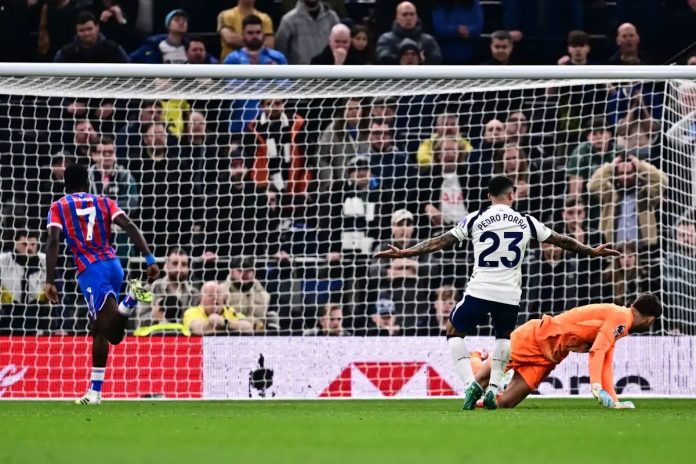
The crisis at Tottenham Hotspur has reached a new peak, with fans leaving the stands in droves during the disastrous home defeat against Crystal Palace. The team is just one point above the relegation zone in a distressing phase of the season, while interim coach Igor Tudor, who replaced Thomas Frank, is already facing his third consecutive defeat. The situation raises a troubling question: who is truly to blame for the rapid decline of a club that just seven years ago reached the final of the Champions League?
The finger of blame often points to Daniel Levy, the former chairman who, for nearly 25 years, has been the central figure in criticisms whenever Tottenham faced difficulties. Although he was the archetype of the push for a magnificent stadium, Levy has also become the target of fans’ dissatisfaction, who accuse him of failing to provide the financial resources necessary for the club to establish itself in the elite of the Premier League. Paul Robinson, former Spurs and England goalkeeper, expressed his frustration in statements to BBC Sport: “This is a problem that has been building over the years. It’s like circling the drain; the longer it goes on, at some point the fall is inevitable.”
Robinson highlights that Levy’s management, in trying to hire winning-minded coaches like José Mourinho and Antonio Conte, failed to provide them with players who share the same mentality. Since Mauricio Pochettino’s departure in November 2019, Tottenham has invested nearly £1 billion in signings, with a net spend of £653 million, surpassed only by Chelsea, Manchester United, and Arsenal. However, Levy’s strategy, which often proved inflexible in negotiations, resulted in crucial players slipping away to other clubs, while those who could have been sold remained due to a lack of satisfactory agreements.
Additionally, Tottenham’s wage structure does not help. With a cost of £248.6 million last season, the club fell short of its direct competitors, raising questions about its ability to compete on equal footing. While Levy may claim financial successes off the pitch, the sporting failures are undeniable. Instability is also a constant, with 12 managers dismissed and a series of 16 semi-finals and seven finals demonstrating a lack of consistency and direction.
One of the crucial issues that emerges from this scenario is the impact of Pochettino’s departure. The fans’ love for the Argentine is palpable, and many still dream of his return to the touchline. The Champions League final in 2019, while a historic milestone, also proved to be a turning point, marking the beginning of a sharp decline. Pochettino, who believed that defeat should serve as a springboard for future success, saw his relationship with Levy deteriorate rapidly as his calls for an ambitious rebuild went unanswered.
Robinson reinforces this idea by stating: “Looking back at that Champions League final is painful. We had a manager that the fans would love to see back now. It was the moment to support him with a long-term contract and to seriously invest to remain at that level. Since then, the club has regressed.” The arrival of Tanguy Ndombele for £53.8 million was one of the few bright spots in a summer of signings that, however, did not meet the need for a deep transformation.
Pochettino publicly expressed his frustration, stating: “Selling, buying players, signing contracts, not signing contracts. It’s not in my hands, but in the hands of the club and Daniel Levy.” The call for change is evident, and the question lingering is whether Tottenham can reverse this trend before it’s too late. The future of the team and the entire club may depend on the decisions made in the coming weeks. The pressure on Levy and Tudor is mounting, and the need for action is urgent. Tottenham’s crisis is not just a matter of results, but a reflection of a structure that requires a radical transformation to shine again in the Premier League.
Discover more from Apito Final
Subscribe to get the latest posts sent to your email.

