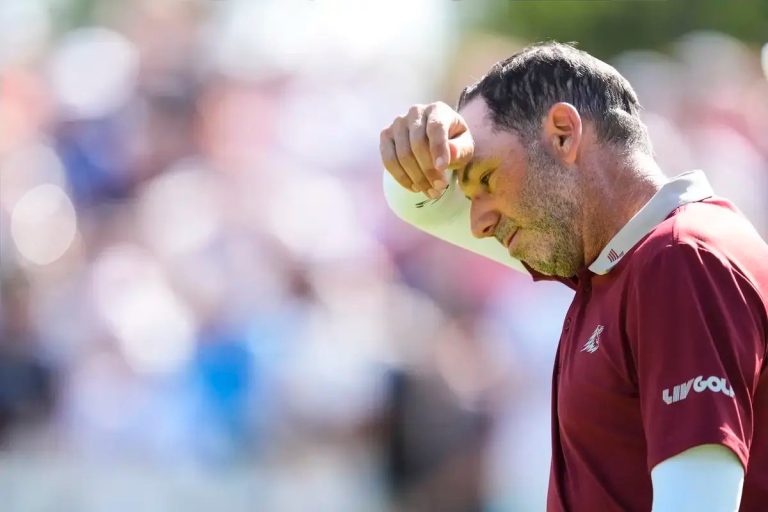

Brian Rolapp, CEO of the PGA Tour, finds himself in a true dilemma as he navigates the complexities of the professional golf circuit. With a deep understanding of the need for modernization, Rolapp is confronted with the harsh reality of a structure that resists change. His first major test comes this week, with the holding of two tournaments that perfectly illustrate the disparity between the elite and lesser-known competitors on the circuit.
This week, the spotlight is on the Arnold Palmer Invitational in Orlando and the Puerto Rico Open in San Juan. The former, a jewel on the golf calendar, will feature an elite field full of stars and a generous prize pool of $20 million, backed by a prestigious sponsor like Mastercard. On the other hand, the Puerto Rico Open, while valuable, is seen as an opportunity for players who cannot secure a spot in the main event, reflecting the disparity in terms of prestige and opportunities.
Rolapp, who brings two decades of experience from the NFL, hoped that his credentials would enable him to implement significant changes quickly. However, the reality he faces is one of a complex and often complacent organization. He has the ambition to be seen as a visionary who transforms the mundane into the modern, but many of his stakeholders, including players and sponsors, fear that his approach may be more destructive than constructive.
His intentions to reformulate the Tour are challenged by a system that is already saturated with playing opportunities. Tour members, especially those outside the elite, rely on a calendar full of events to ensure their financial and competitive survival. The resistance to cuts or changes is palpable, and Rolapp needs to find a balance between the interests of top players and the needs of less privileged members.
The current format of the PGA Tour, which presents itself as a member-led organization, is more accurately characterized as a system aimed at satisfying the desires of the players. The excessive calendar is, in part, a control mechanism that prevents players from competing in other events when PGA Tour tournaments are scheduled.
As Rolapp seeks a way to reconfigure the Tour, it becomes clear that the current structure is a complex web of eligibility and status. The event in Puerto Rico, with its 120 competitors, further highlights this complexity. The inclusion of players through sponsor exemptions, past champions, and other entry categories results in a field that, while diverse, raises questions about the quality and value of these competitors.
The fierce competition between events like the Arnold Palmer Invitational and the Puerto Rico Open puts Rolapp in a delicate position. While the tournament at Bay Hill attracts media and public attention, the event in Puerto Rico is often overlooked, raising concerns about the dilution of the Tour’s prestige. The difference between the two fields is not just a matter of prize money, but also of relevance in the golf landscape.
As the PGA Tour prepares to celebrate the winners, the disparity between champions of prestigious events and those competing for smaller prizes becomes evident. Rolapp and his investors must wonder whether the existence of less significant events contributes to the overall product of the PGA Tour or, conversely, detracts from it.
Rolapp’s struggle to modernize the PGA Tour is just beginning, and the road ahead is fraught with challenges. The need for a thorough overhaul of the system is clear, but the resistance from members and the complexities of the organization make this task monumental. However, the survival of the circuit may depend on its ability to navigate these turbulent waters and find a balance that benefits all involved.
Discover more from Apito Final
Subscribe to get the latest posts sent to your email.