A recent wave of violence in Guadalajara, one of the host cities for the 2026 World Cup, has raised alarm bells about security in Mexico, leaving authorities and fans on high alert. What should have been a peaceful Sunday in the country’s second-largest city turned into a scene of absolute chaos, following violent street clashes triggered by the death of Nemesio Oseguera, known as El Mencho, the feared leader of the Jalisco New Generation cartel, who was killed by Mexican armed forces.
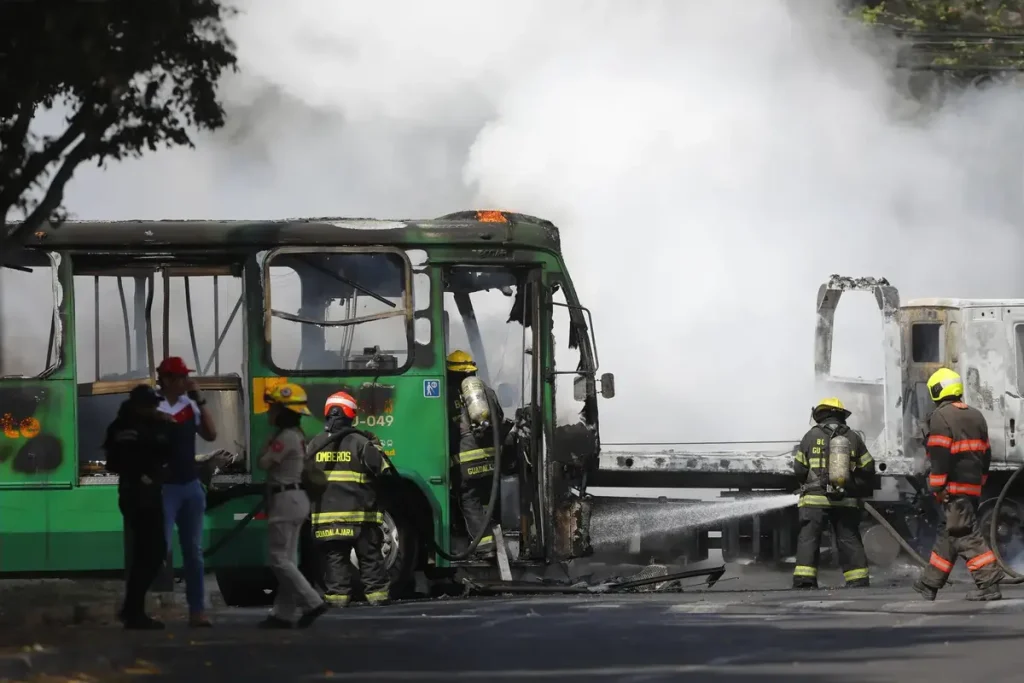
The images emerging from the city are chilling: buses and trucks in flames, shops, banks, and gas stations attacked by armed groups in a fierce response to Oseguera’s elimination. The so-called ‘narcoblockades’ and urban guerrilla tactics demonstrate the audacity of cartel members, who did not hesitate to turn Guadalajara, the Perla Tapatia, into a true battleground. With a population of 5.5 million, the city quickly plunged into panic, becoming almost a ghost town.
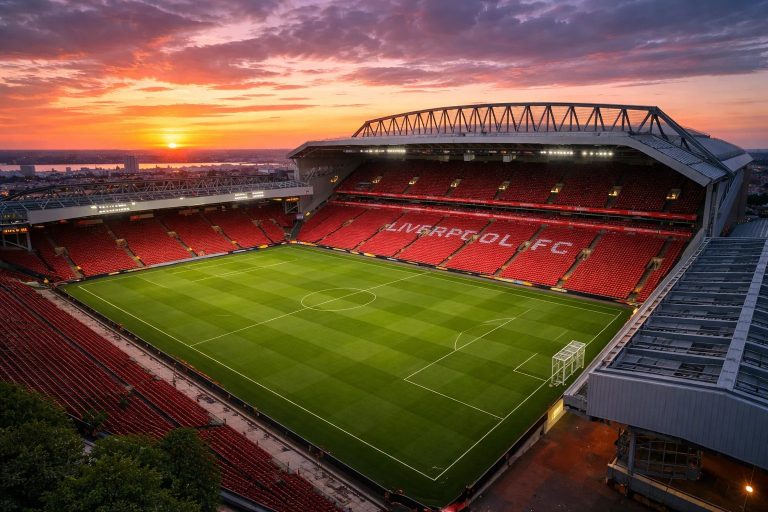
These violent events raise serious questions about the security necessary for the World Cup matches scheduled to take place at the Estadio Chivas, which has a capacity of 49,000 spectators. To make matters worse, FIFA and Mexican authorities must consider the feasibility of holding the scheduled games, including critical matches such as Mexico vs. South Korea on June 18 and Spain vs. Uruguay on June 26, as well as a clash between Colombia and a playoff team on June 23.
In response to the escalating violence, the Mexican Ministry of Defense has mobilized 10,000 military personnel to the region, a significant measure that is already showing its side effects on local sports, with the postponement of four matches in the men’s and women’s championships. In a shocking incident, during the match between Necaxa and Querétaro, players fled to the locker rooms in panic upon hearing noises that sounded like gunfire nearby, although the federation denied that shots were fired.
Tension continues to rise, especially with the friendly match between Mexico and Iceland still scheduled for this Wednesday in Querétaro. However, the growing presence of the Jalisco cartel in the region, just 350 kilometers from Guadalajara, raises concerns about the safety of players and fans. Mexican coach Javier Aguirre may be called to respond to the alarming situation, which demands a cautious approach.
Concerns for tourist safety have never been more evident, leading even the French Ministry of Foreign Affairs to issue a warning to its citizens in the Jalisco region, advising them to exercise “the utmost caution” and to stay safe. Security consultant David Saucedo has no illusions: “It is difficult to guarantee that Mexico will be a safe country during the World Cup.” With the future of the tournament at stake, the nation urgently needs effective solutions to restore safety and confidence in an event of such magnitude.
Discover more from Apito Final
Subscribe to get the latest posts sent to your email.