
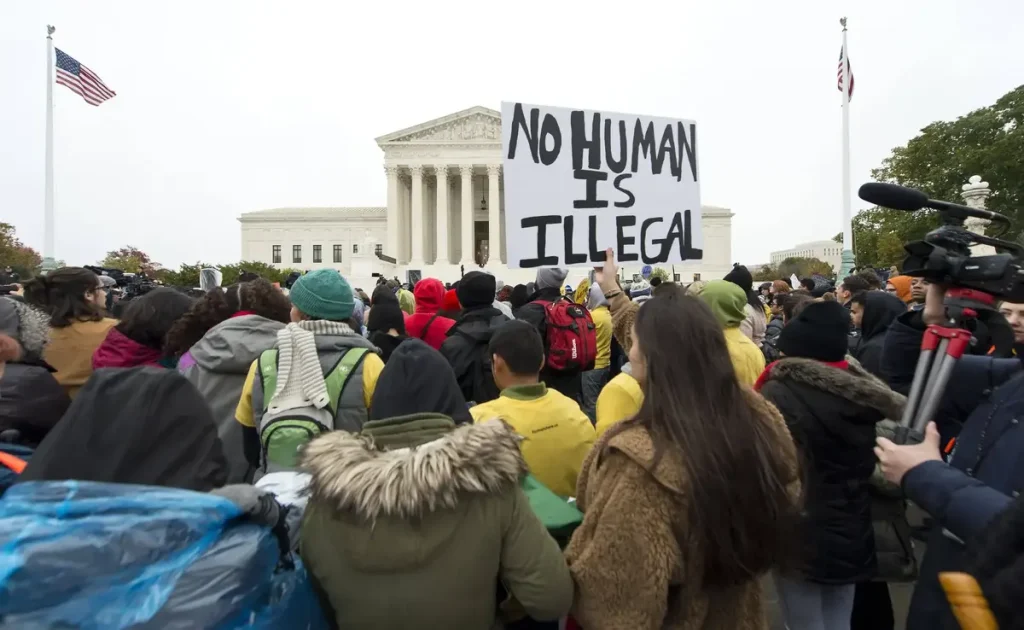
The United States administration has revealed a significant investment in immigration management, disbursing the impressive sum of $32 million to five countries, with the aim of facilitating the acceptance of around 300 deportees. This agreement raises crucial questions about immigration policies and the treatment of deportees, highlighting the complexity of international relations when it comes to issues of sovereignty and human rights.
According to a recent report, the countries that accepted the deportees were financially compensated by the U.S. government. This strategic move not only reflects the pressure the U.S. faces regarding immigration but also indicates a deliberate effort to establish partnerships with nations that can serve as reception points for those who no longer have authorization to remain in the United States.
The statements contained in the report underscore the decision to invest in solutions that help mitigate the immigration crisis while ensuring that deportees are treated with dignity. “We are working with partner nations to ensure that those who have been deported can be safely reintegrated into their communities,” government representatives stated, highlighting the importance of a collaborative approach.
While the $32 million figure may seem high, it is essential to consider the human and social costs associated with deportation. The challenges that deportees face upon returning to their countries of origin are complex, and financial support can be seen as a step in the right direction to promote stability and reintegration.
However, this approach is not without controversy. Critics argue that the money could be better spent on programs that address the root causes of immigration, rather than simply paying other countries to accept deportees. Additionally, there are concerns about how these countries will handle the deportees and whether there will be adequate support for their reintegration.
The issue of immigration remains a polarizing topic in the United States, and this substantial investment is just one of many efforts the administration has made to tackle the complexities of this issue. With pressure mounting to find effective solutions, how the U.S. navigates these international relations will undoubtedly be a focal point in future debates about immigration and the rights of deportees.
The current situation highlights the urgent need for a broader dialogue on immigration, one that considers not only border security but also the humane treatment of those who have been forced to leave their homes. As the government continues to explore options for managing immigration, the hope is that a balance can be struck between security and compassion.
Discover more from Apito Final
Subscribe to get the latest posts sent to your email.