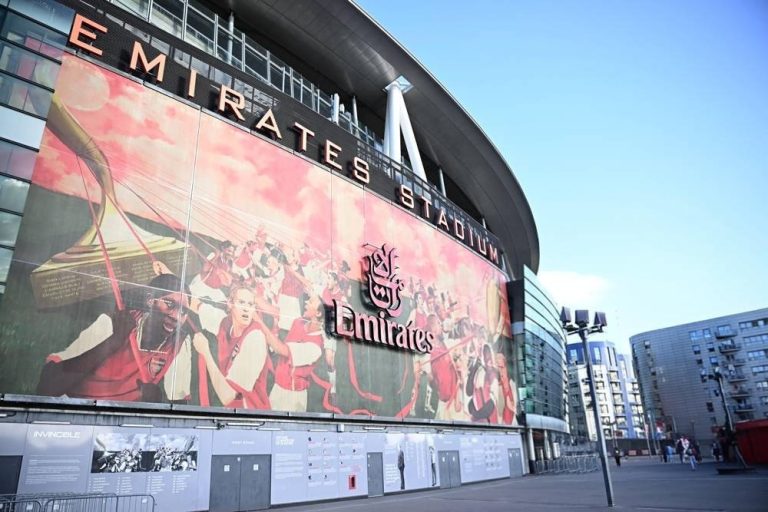
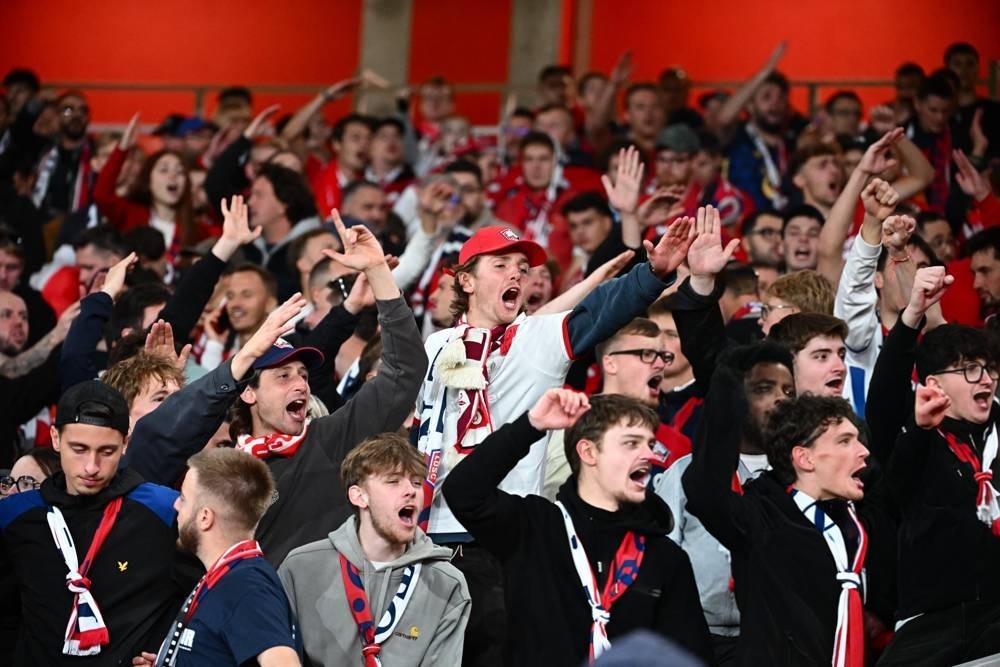
Arsenal fans have earned a notorious reputation as the most disliked supporter base in the Premier League, a stigma fueled by decades of perceived arrogance and amplified to new heights in the digital age. The animosity directed at Arsenal’s followers is palpable across social media platforms, stadiums, and rival fan groups, raising the question: why are Gooners so universally reviled?
The roots of this widespread resentment trace back long before the current era, with chants like “same old Arsenal, always cheating” and “boring boring Arsenal” dating to the 1980s and 1990s. These criticisms were compounded during the George Graham years, when the club’s tactical approach was often labeled dull. According to North London-born Arsenal fan Billy Howard-Price, these historical perceptions laid the groundwork for today’s antipathy, predating the rise of platforms like Arsenal Fan TV (AFTV) and the so-called “North London elite” stereotype. Fellow supporter Shay Olupona pointed out that even the tactical rigidity of Mikel Arteta’s recent title-winning side has reignited the “boring Arsenal” narrative, with critics highlighting their reliance on set pieces and defensive caution.
The surge in hostility, however, is inextricably linked to Arsenal’s overwhelming presence on social media. Launched in 2012 by Robbie Lyle, AFTV became the UK’s most influential football fan channel, its raw and often irrational fan reactions setting a template that has since been replicated nationwide. This media saturation has made Arsenal supporters the most visible—and consequently, the most scrutinized and ridiculed—fanbase in English football. Reading fan Nick Mandolos encapsulated this cycle of disdain: “Arsenal fans whine about being hated on social media = more people get annoyed by them, it goes round and round.” He also cited the rise of “middle class North London gooners” as a factor aggravating tensions.
Interestingly, this widespread disdain contrasts sharply with the admiration Arsenal once enjoyed, particularly during Arsène Wenger’s era in the 2000s when the club’s elegant, attacking football won plaudits despite a drought in trophies. The transformation in fan perception coincides with the digital revolution and a demographic shift in Arsenal’s support base. Liverpool fan Pete McNelis criticized the influx of newer, more casual followers, describing them as “the loud voice at the pub who doesn’t understand passing out from the back,” implying a dilution of traditional fan authenticity.
Beyond tactical debates and social media dynamics, there may be deeper, more uncomfortable factors at play. Arsenal boasts one of the most ethnically diverse and culturally significant fanbases in the Premier League, closely linked with Black British culture. This diversity, while a source of pride, may also contribute to the hostility in a sport still grappling with entrenched racial biases. The BBC’s documentary The Traitors underscores how unconscious prejudices persist in UK society, and Arsenal’s fanbase is not immune to this reality.
Ultimately, the trope of the “insufferable Gooner” is grounded in a complex web of history, media exposure, cultural shifts, and social tensions. While many elements of the criticism hold merit, the exaggerated caricature of Arsenal fans is as much a product of today’s rage-fueled, attention-seeking online culture as it is a reflection of genuine grievances. As this digital spectacle continues to evolve, the Arsenal fanbase remains a lightning rod for both admiration and ire—an enduring paradox in the theatre of English football fandom.
Discover more from Apito Final
Subscribe to get the latest posts sent to your email.