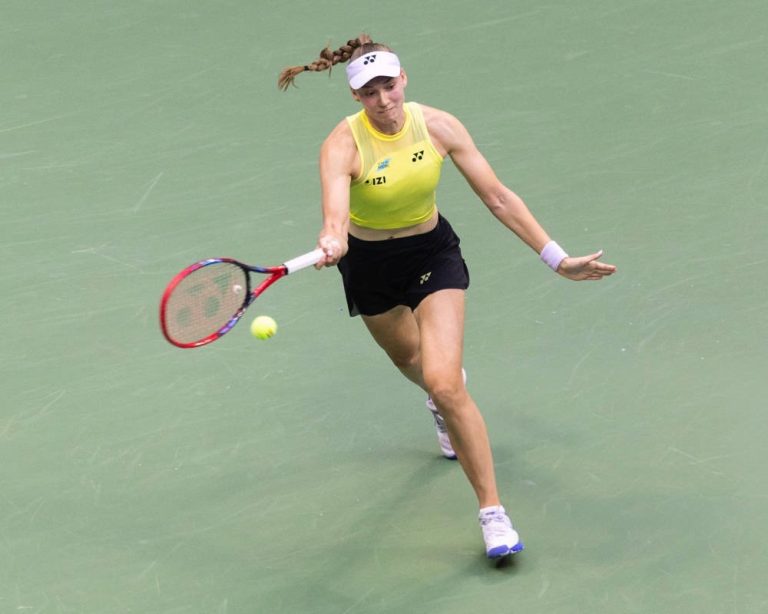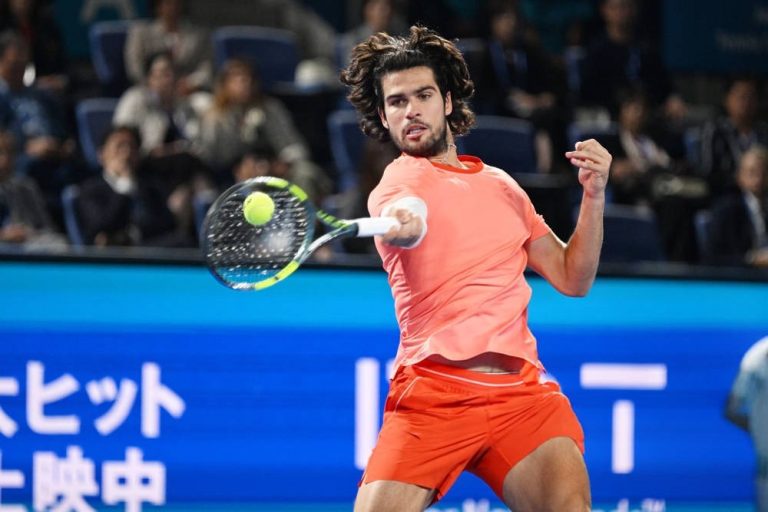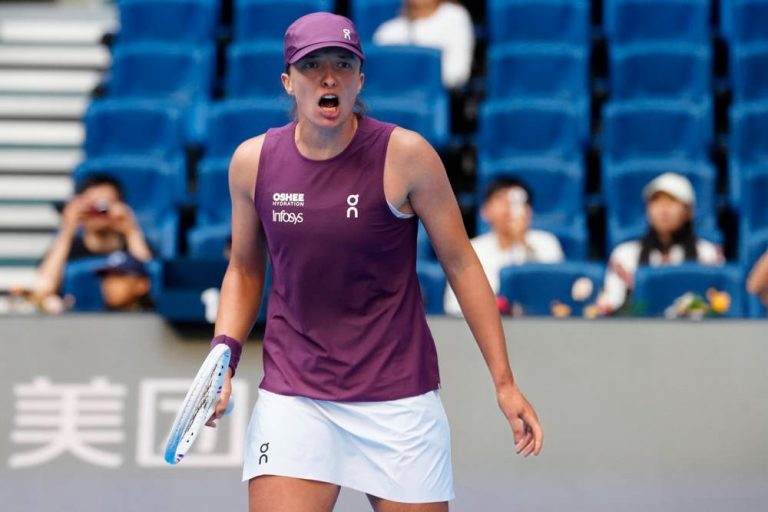
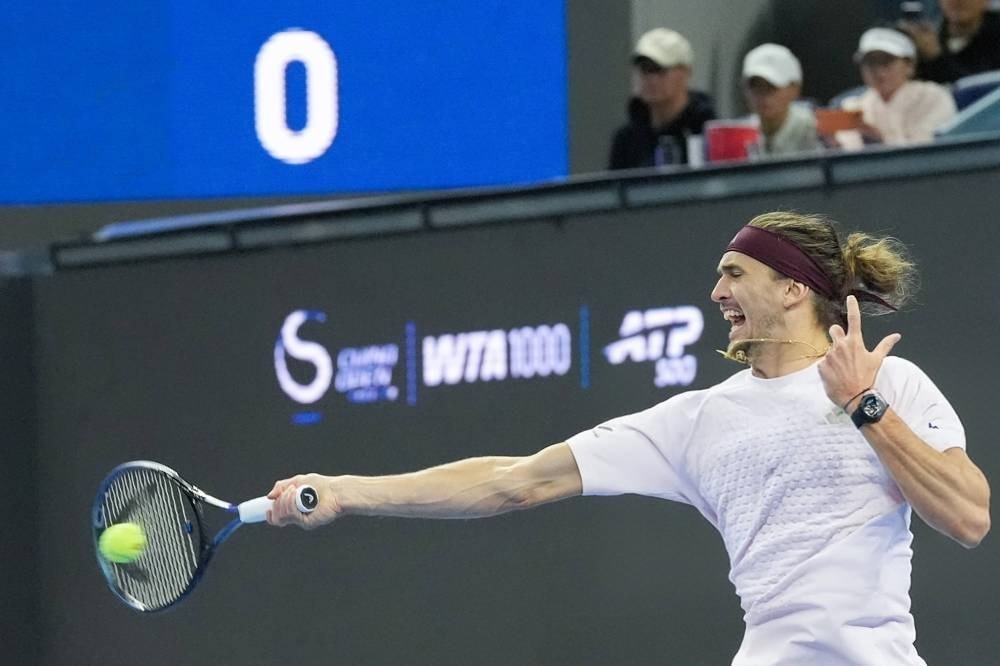
Alexander Zverev and Jannik Sinner have joined an elite fraternity of tennis players who have reached the semifinals at all nine ATP Masters 1000 tournaments, a feat achieved by only six men since the series began in 1990. Zverev secured his place in this exclusive club at Indian Wells in March 2026, defeating Arthur Fils 6-2, 6-3 in the quarterfinals to reach his first semifinal in the desert. Meanwhile, Sinner completed his set seven weeks later in Madrid, becoming the youngest player to do so at just 24 years old.
This achievement underscores the extraordinary versatility and endurance required to succeed across vastly different surfaces and conditions—clay, hard courts, indoors, altitude, heat, and cold. Historically, only four players had reached the semifinals at every Masters event before 2026: Rafael Nadal, Novak Djokovic, Roger Federer, and Andy Murray. All four are Grand Slam champions and among the greatest of the Open Era.
Rafael Nadal was the pioneer, completing his set in Shanghai in 2009 at age 23. Nadal boasts the best winning percentage in Masters history at 82.0%, with a 410-90 match record and 36 titles. The only Masters 1000 event Nadal never won remains Miami, where he reached five finals but fell short each time. His rapid completion of the full nine-tournament calendar—immediately after Shanghai became a Masters 1000 event—defies his clay-court specialist label, proving his all-surface prowess.
Novak Djokovic matched Nadal by completing the semifinals set in Paris in 2009, but he took years more to claim all nine titles, a feat only he and Sinner have achieved. Djokovic holds the record for the most Masters 1000 titles with 40 and has won 420 matches at the level, posting an 81.4% winning rate. His dominance sets the benchmark for the others, combining consistency with unprecedented success at the highest stage.
Roger Federer completed the set in Paris in 2010, despite never winning Monte-Carlo or Rome, where he lost four finals each. This highlights the thin margin of his clay-court struggles amid his overall dominance, with 28 Masters titles and a 381-108 record. Federer’s inclusion demonstrates that breadth of success—not just titles—is essential to this milestone.
Andy Murray’s entry in 2015 is notable for the era he competed in, battling Federer, Nadal, and Djokovic. With 14 Masters titles and a 230-101 record, Murray’s semifinal consistency across all events highlights resilience and adaptability during the sport’s most competitive period.
Zverev’s path to completing the set was unconventional. Before Indian Wells 2026, he had never reached a desert Masters semifinal despite winning Rome, Madrid, Canada, Cincinnati, and Paris multiple times. His 6-2, 6-3 quarterfinal victory over Fils broke that barrier. This breakthrough propelled the best season of his career, which included two Grand Slam titles—Roland Garros and the US Open—a Wimbledon final appearance, and finishing as year-end No. 1. At 29 years and 217 days, Zverev became the oldest first-time year-end No. 1 and the first German to achieve this.
Jannik Sinner’s rapid rise is equally remarkable. After completing the set in Madrid, he became the youngest player ever to reach a final at all nine Masters 1000 events, claiming his fifth consecutive Masters title by beating Zverev in the Madrid final. His 10 Masters titles, including wins at Indian Wells, Miami, Monte-Carlo, and others, place him alongside Djokovic as the only men to have won all nine. With a 123-29 record through Madrid, Sinner’s winning percentage is third-best in Masters history.
The rivalry between Zverev and Sinner defined the 2026 Masters season, meeting in four events with Sinner winning three, yet Zverev’s Grand Slam triumphs and year-end ranking cemented his status. Sinner’s promising year was cut short by a knee injury, underscoring the harsh physical demands at this level.
Carlos Alcaraz remains the standout player yet to join this elite group. At 23, he has already won multiple majors and Masters titles, including Madrid twice, and reached the semifinals or better at six of the nine events. However, he has yet to make a semifinal appearance in Canada, Shanghai, or Paris—the latter being the final Masters event where Djokovic, Federer, and Murray completed their sets. Alcaraz’s inconsistent post-Grand Slam performances and recent early exits have delayed his entry, but the 2027 season offers the next opportunity. Success at Paris, followed by deep runs in Canada and Shanghai, would see him become the first player born after 2000, besides Sinner, to accomplish this rare feat.
The exclusivity of this Masters 1000 semifinal club highlights the extraordinary adaptability and sustained excellence required to master the diverse challenges of the ATP calendar. For Zverev and Sinner, 2026 was a landmark year that etched their names alongside legends, while Alcaraz’s chase continues, promising more thrilling chapters in the evolution of modern men’s tennis.
Discover more from Apito Final
Subscribe to get the latest posts sent to your email.