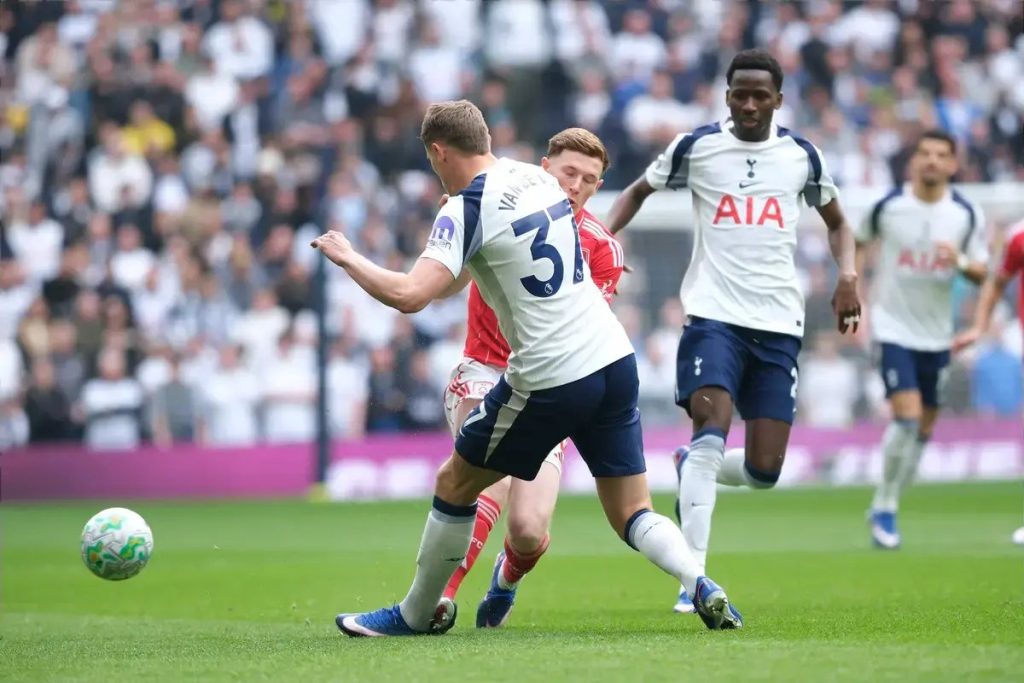
The crisis at Tottenham Hotspur is a topic that has been dominating discussions among football enthusiasts, and the current situation of the London club is worthy of a true sporting thriller. With one of the most impressive stadiums in Europe and ticket revenues that surpass those of any other club in the Premier League, the Spurs now face the alarming possibility of relegation. The dismissal of two coaches in just seven months — first Thomas Frank and, more recently, Igor Tudor — raises questions about the club’s management and the direction being taken.
The radical shift in the management structure at Tottenham, which occurred at a critical moment, may be the reason for this chaotic scenario. With the departure of Daniel Levy as chief executive on September 4, after 24 years at the helm of the club, the Lewis family, the main shareholders of ENIC, decided it was time to change the approach, prioritizing a management style more focused on football over the business sphere. A decision that, at first glance, seems logical, but in practice has proven to be a real misstep.
Critics point out that under Levy’s leadership, Tottenham has focused excessively on investments in infrastructure, such as the new training center and the stadium with a capacity of 68,850 spectators, which has become the crown jewel of the Premier League. Although the club has seen a significant increase in revenues, rising from €45 million to €120 million annually, fan frustration remains palpable. With only two titles won in 25 years — a League Cup in 2008 and a Europa League in 2025 — many are questioning whether the excessive focus on “cement” has hindered the sporting project.
Innovations in the new stadium, such as a retractable pitch designed to host NFL events and a Formula 1 karting track, demonstrate the club’s ambition. However, the current management, now led by Vinai Venkatesham, former CEO of Arsenal, and Johan Lange, former sporting director of Aston Villa, seems to be failing to secure results on the pitch. The erratic choice of coaches, with an average tenure that has dropped from nearly two years to just three and a half months, raises doubts about the leadership capabilities of the new management.
Supporters, who previously demanded the departure of Levy, are now calling for his return through the “Bring Back Levy” movement, highlighting the widespread dissatisfaction with the current administration’s lack of direction. The situation is critical, with Tottenham sitting in 17th place in the Premier League, just one point above the relegation zone. The next manager, who will take charge, will face a monumental challenge: ensuring the club does not face relegation, a result that would be one of the greatest paradoxes in British football history.
With the clock ticking and pressure mounting, it remains to be seen whether Tottenham can turn this tide of misfortune or if the club’s fate is sealed in a descent that would shock the football world. The situation is alarming, and the need for a swift and effective response has never been more urgent.
This article first appeared on Apito Final.
Discover more from Apito Final
Subscribe to get the latest posts sent to your email.