The abrupt exit of Uruguay from the 2026 World Cup has left the football community in absolute shock. The Celeste team, two-time world champions and a regular presence in the knockout stages of the competition, was eliminated in the group stage, finishing behind Spain and the surprising team from Cape Verde, which achieved a historic feat by securing qualification for the Round of 16. With only three points earned, Marcelo Bielsa’s team delivered one of the worst campaigns in its recent history, leaving thousands of fans incredulous at the collapse of the “garra charrúa.”
The group stage for Uruguay was marked by lackluster performances and a chronic inability to capitalize on decisive moments. Placed in Group H, alongside European champions Spain, debutants Cape Verde, and the modest Saudi Arabia, the South American team was considered a clear favorite alongside the Spaniards. However, right from the first match, Uruguay stumbled, drawing 1-1 with Saudi Arabia after a lackluster first half, with only a solitary goal from Maxi Araújo in the second half preventing an even more embarrassing defeat. Goalkeeper Al Owais was a standout figure, thwarting multiple goal-scoring opportunities that could have changed the course of the match.
O MUNDIAL 2026 VIVE-SE COM A LEGO
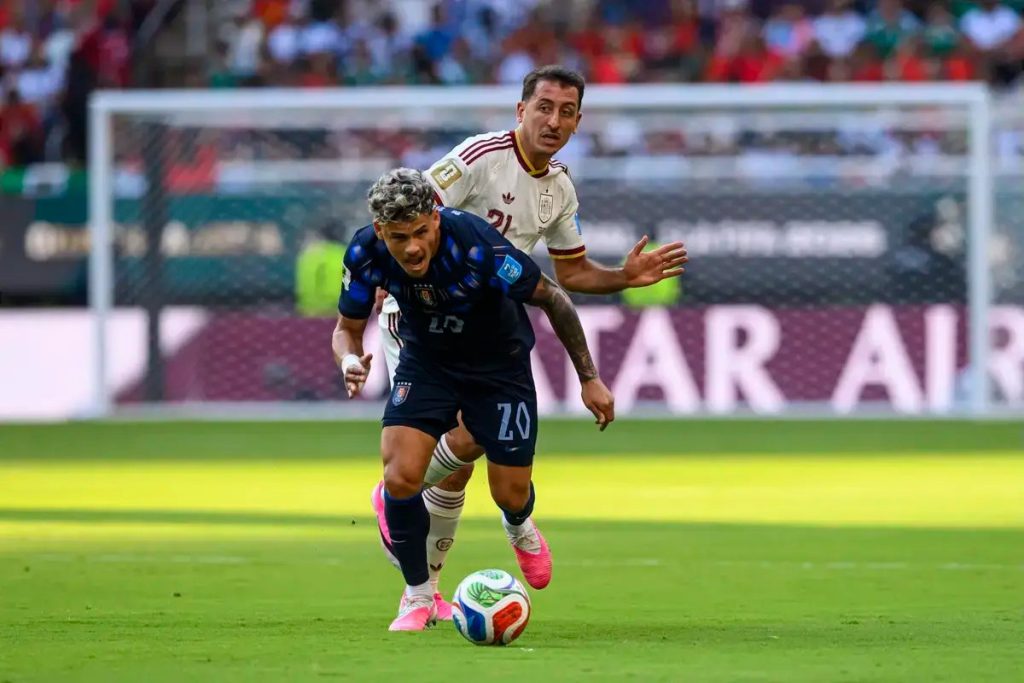
The second match proved to be even more dramatic for the Uruguayans. Facing a Cape Verde side energized by their draw against Spain, Maxi Araújo once again stood out for the South Americans, scoring and providing an assist, but the team could only manage a 2-2 draw. Kevin Pina opened the scoring for the Blue Sharks with a stunning free kick, and Hélio Varela sealed the final draw in the second half, leaving Marcelo Bielsa’s Uruguay in a precarious position ahead of the “do or die” clash with Spain.
This early elimination carries historical weight and significantly undermines the prestige of Uruguayan football. A team accustomed to overcoming adversities and rising to the occasion on grand stages now finds itself grappling with an internal crisis and unprecedented public dissent. The total absence of Rodrigo Zalazar, a new addition to Rui Borges’ squad who did not play a single minute in the final phase, illustrates the controversial choices made by the coach. Maxi Araújo, on the other hand, was one of the few to swim against the tide: he scored two of the team’s three goals and also provided an assist, demonstrating grit and quality even in the context of a collective disaster.
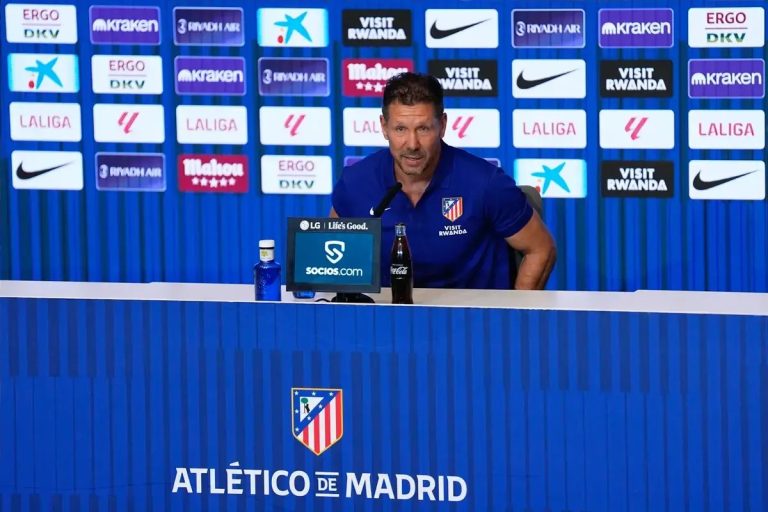
The internal tension was far from concealed. Uruguayan media reported that, before the decisive match against Spain, Marcelo Bielsa met with several leaders in the locker room, including captain Federico Valverde, who reportedly questioned the training methods and the strategy outlined to face the “Roja.” Bielsa, in turn, accused the players of conspiring to oust him even before the start of the World Cup. On the field, the situation became chaotic: Baena opened the scoring in the 42nd minute, capitalizing on a colossal error by veteran goalkeeper Fernando Muslera, who did not return for the second half by his own decision, according to Bielsa. The Argentine coach did not hold back in his remarks after the final whistle: “I am responsible for this disappointment. I don’t even need to describe this performance. If you ask me how I think they will remember my time here, it’s a step in my career where I left nothing behind,” Bielsa declared, visibly dejected at the press conference.
The future of Uruguay is now shrouded in uncertainty. Marcelo Bielsa is under intense scrutiny, and the Uruguayan federation will need to make swift decisions to avoid prolonging this crisis. Maxi Araújo, despite the collective setback, emerges valued and is expected to be a key player in the restructuring of the team. Meanwhile, Zalazar will have to fight for a place in a squad undergoing significant renewal. The 2026 World Cup will be remembered as one of the darkest chapters in Uruguayan football, and it is now imperative to rethink strategies, instill new ambition, and rebuild a competitive identity that matches the glorious past of La Celeste. The pressure is on the executives and the next coach, as fans demand answers and, above all, results that align with the mystique of Uruguay.
NOW YOU CAN FOLLOW THE WORLD CUP WITH ALL THE INFORMATION – HERE
Discover more from Apito Final
Subscribe to get the latest posts sent to your email.