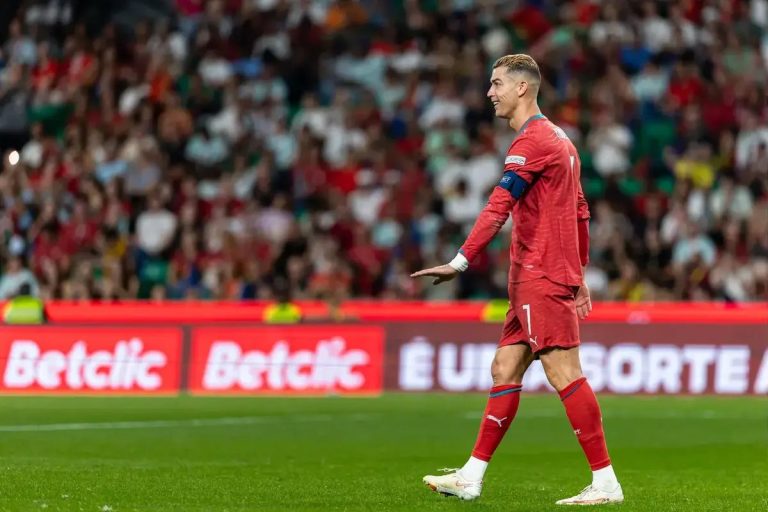
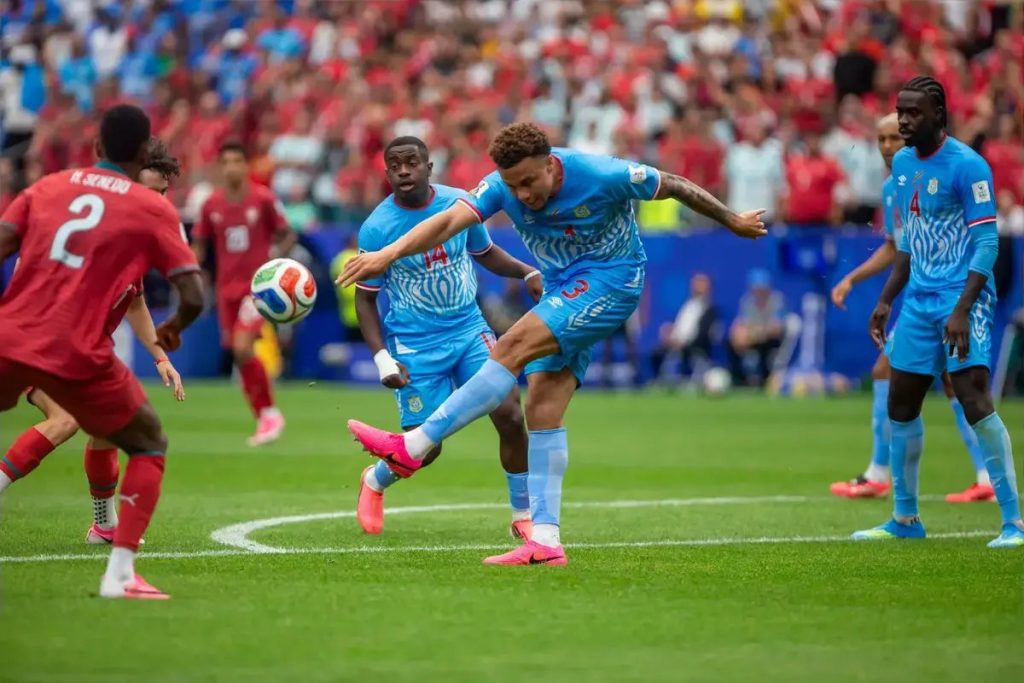
The draw between Portugal and the Democratic Republic of Congo at the start of the 2026 World Cup took everyone by surprise and sent shockwaves among fans and experts, who were already anticipating a comfortable victory. The national team, considered one of the favorites to win the title, left the pitch with a disappointing result (1-1) and many doubts regarding its ability to command respect at the beginning of the competition.
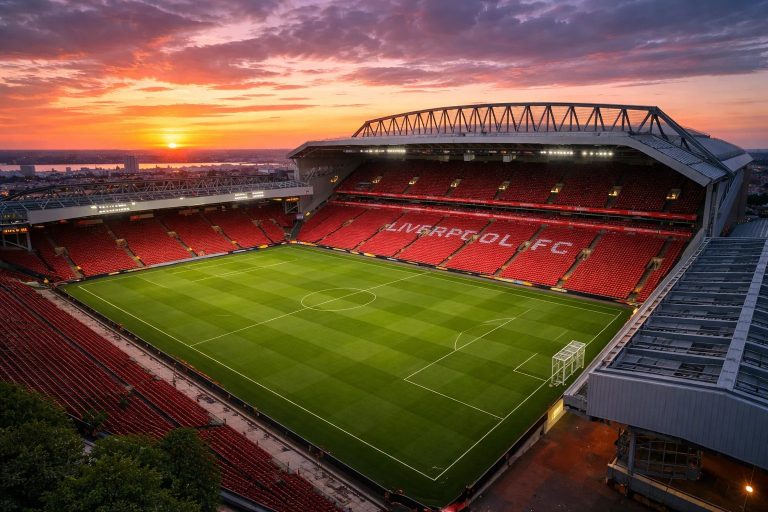
The match, held at the Metropolitano Stadium, was marked by a lackluster performance from Roberto Martínez’s side, which struggled to break down the defensive organization of the DRC. Although Portugal took control of possession from the initial whistle, their ball movement proved predictable and excessively lateral, lacking any creative spark or penetration through the center. The opening goal was scored by Diogo Jota in the 34th minute, following a persistent play in the area, but the lead lasted only a short while: the Congolese team equalized in the 52nd minute with a lethal counter-attack that exposed unexpected weaknesses in the Portuguese defense.
THE 2026 WORLD CUP COMES TO LIFE WITH LEGO
This result is particularly concerning in a group stage where every point can be crucial for qualification. Portugal, which had been buoyed by an impeccable qualifying campaign, now sees its unbeaten streak called into question and the confidence of its supporters shaken. Beyond the disappointing points tally, the match revealed an alarming trend: the national team completed 712 passes, of which 67% were sideways or backwards, demonstrating a lack of verticality and aggression in attack. This impressive statistic fuels the debate over whether the focus on control and possession is stifling the offensive creativity of a generation brimming with talent.
Roberto Martínez, visibly dissatisfied at the end of the match, admitted at a press conference: “We know we were not at our best level. We lacked the ability to accelerate the game and create imbalances in the decision-making areas. We will analyze this performance in detail and respond appropriately in the next game.” Words that did not go unnoticed by the fans, who are demanding immediate changes. Diogo Jota, the scorer of Portugal’s only goal, also expressed his frustration: “We have a lot of belief in this group, but we need to be more incisive up front. We cannot waste opportunities in a World Cup.”
The underwhelming performances of Bruno Fernandes and Bernardo Silva, typically the creative engines of the team, were met with criticism on social media and in television debate programs. Analysts pointed out the lack of connection between the midfield and the attack, as well as the absence of individual imbalances. The defense, for its part, was far from impeccable, allowing spaces that the DR Congo exploited with intelligence and speed.
The atmosphere surrounding the National Team has heated considerably after this draw, with many questioning whether Roberto Martínez will maintain the same tactical structure or make changes for the next challenge. The match against Japan, scheduled for three days from now, thus takes on the contours of a must-win: only victory matters, and any further slip could irreparably compromise Portugal’s path in the World Cup. The pressure is at its maximum, and only a strong response on the field can restore confidence to the team and the nation.
This disappointing debut serves as a warning for a group that, despite undeniable talent, showed concerning limitations. It remains to be seen whether Portugal will be able to learn from its mistakes and re-establish itself as a title contender or if this draw will mark the beginning of a campaign that falls short of expectations. The next match will be decisive and leaves no room for hesitation: Portuguese pride is at stake, and only victory can silence the criticism and restore the World Cup dream for the fans.
NOW YOU CAN FOLLOW THE WORLD CUP WITH ALL THE INFORMATION – HERE
Discover more from Apito Final
Subscribe to get the latest posts sent to your email.