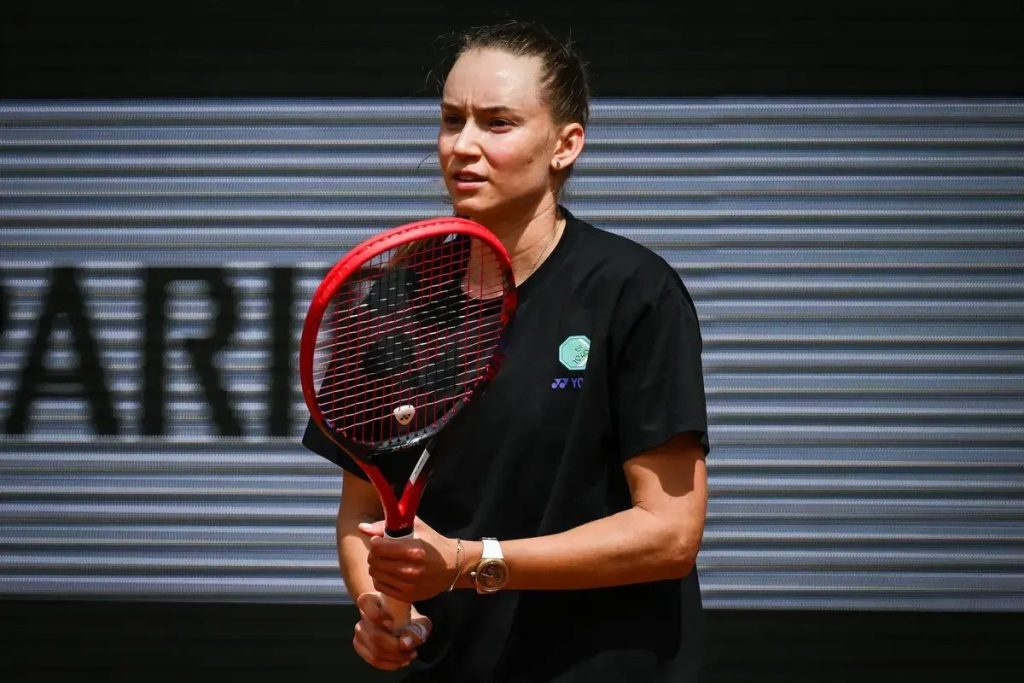
Elena Rybakina, the world number two, has made a radical decision that is shaking up women’s tennis: she has deactivated her Instagram account after being subjected to a torrent of hate messages following her surprising early exit from the Queen’s Club Championships. The Kazakhstani tennis player, one of the most high-profile figures on the WTA tour, admitted that the virtual attack was too intense to ignore, choosing to cut off access to social media at a crucial time in the season. This move raises serious questions about the impact of digital pressure on top athletes and exposes a dark side of modern sports where online hate crosses all boundaries.
Rybakina was defeated by British player Katie Boulter, who, buoyed by the support of the home crowd, secured a comeback in three sets and advanced to the semifinals, leaving behind the tournament’s top favorite. The shock was significant: Rybakina, the winner of Wimbledon and regarded as one of the best grass court players, failed to reach the next stage after a tough victory over Tatjana Maria. The defeat not only had serious consequences for her ranking and confidence but also triggered an avalanche of criticism and insults on social media, many of which came from disappointed bettors regarding the outcome of the match.
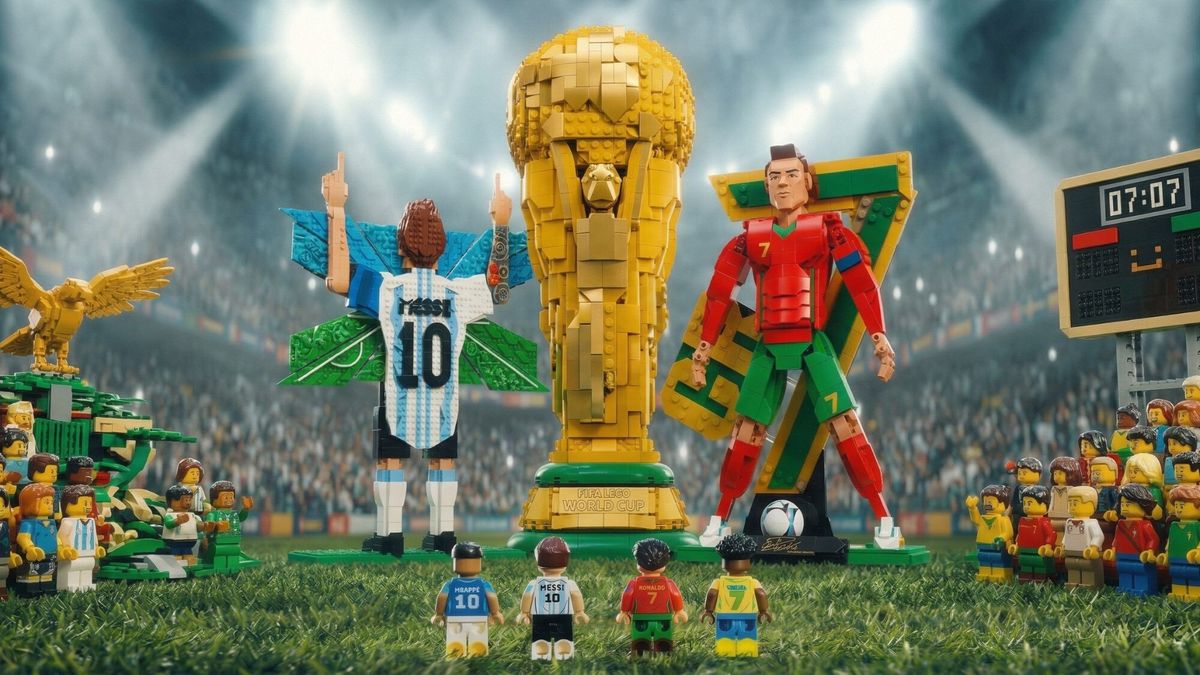
*The World Cup is experienced with LEGO*
[THE 2026 WORLD CUP IS EXPERIENCED WITH LEGO](https://www.lego.com/pt-pt/categories/football/football-gifts-toys)
The episode gains even more relevance considering the current context of women’s tennis, where media exposure and dependence on social networks are increasingly significant. In addition to being essential platforms for communication with fans and sponsors, social media has also become a source of income for many players. In Rybakina’s case, the pressure is heightened by her star status and consistent results in major tournaments, which constantly place her in the spotlight – and, unfortunately, also in the crosshairs of the fiercest critics.
During the preview of the Berlin tournament, where she will compete as the second seed, Rybakina explained to journalists the reasons for her decision. “I usually don’t pay much attention [to social media], but this time it was too much,” she stated, visibly shaken. “Since it’s part of our job, we have to post quite a bit. And I felt that if these people can’t stop just because I lost a match, I’d rather not give them the opportunity to comment.” The tennis player went further, adding: “I don’t want to spend the whole day cleaning up my Instagram. I have people who help me, but they are not always available. I thought it would be better to step away from social media. For me, it’s fine to stay away from social media.”
Recent studies show that a large portion of the hate messages directed at athletes comes from frustrated gamblers looking for someone to blame for their lost bets. In Rybakina’s case, her defeat as the favorite served as a pretext for a particularly virulent attack. This phenomenon, unfortunately, is not unprecedented in the world of sports, but it takes on worrying dimensions when it leads elite athletes to distance themselves from essential platforms for their careers and image.
After triumphing at the Stuttgart Open on clay, defeating Karolina Muchova in the final, Rybakina has struggled to maintain the same competitive level. She exited in the round of 16 in Madrid, fell in the quarter-finals in Rome, and was surprised in the second round of Roland Garros by Yuliia Starodubtseva, in one of the biggest upsets of this year’s edition. These results, below expectations, have increased the pressure on the Kazakh player, who is focusing on a full participation in the grass season to regain her form ahead of Wimbledon, where she has previously been a champion.
The next stop is Berlin, where Rybakina will have another opportunity to showcase her talent, in a draw filled with prominent names such as Aryna Sabalenka, Jessica Pegula, Coco Gauff, and Elina Svitolina. The goal is clear: to rediscover her best tennis, distance herself from digital noise, and prepare to pursue another title at Wimbledon. A temporary break from social media could be a crucial step to regain focus and shield herself from external negativity, at a time when the pressure on tennis stars has never been so intense.
With the start of the Berlin tournament, all eyes will be on Rybakina’s response, both on and off the court. If she can turn this adversity into motivation, the former Wimbledon champion could not only silence her critics but also inspire other athletes to prioritize mental health in the face of online hate. The outcome of this story could not only dictate the course of her season but also spark an urgent debate about the role of social media in high-performance sports.
NOW YOU CAN FOLLOW THE WORLD CUP WITH ALL THE INFORMATION – HERE
Discover more from Apito Final
Subscribe to get the latest posts sent to your email.