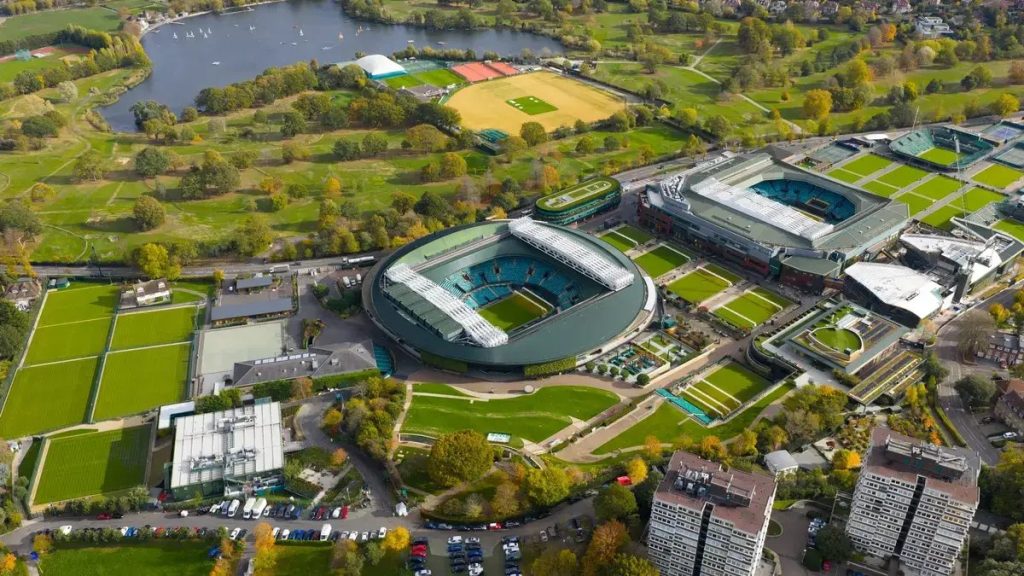
The controversy surrounding the distribution of prize money at the Grand Slams has reached a new peak with the surprising announcement that Wimbledon will increase its total prize money to an impressive £64.2 million. This figure represents a significant jump compared to the previous edition, but it is far from calming the outrage of top players, who are even threatening to proceed with a historic boycott of the world’s most prestigious grass tournament.
The All England Club revealed that in 2024, both the men’s and women’s singles champions will receive £3.6 million each, an increase of £600,000 from last year. Even first-round losers will leave London with £80,000 in their pockets, a rise of £14,000 compared to 2023. However, this injection of money, which brings Wimbledon close to the 16% revenue-sharing threshold demanded by players (landing at 15.15%), is far from satisfying the demands of the major figures in world tennis.
EXPERIENCE THE 2026 WORLD CUP WITH LEGO
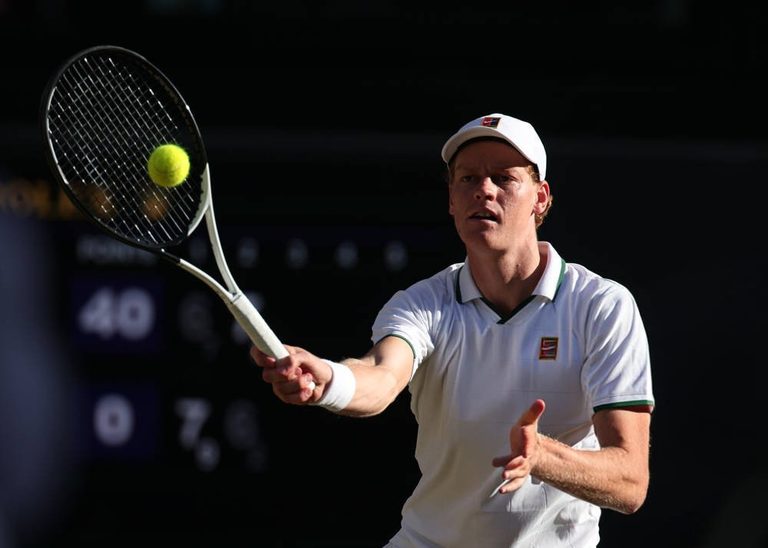
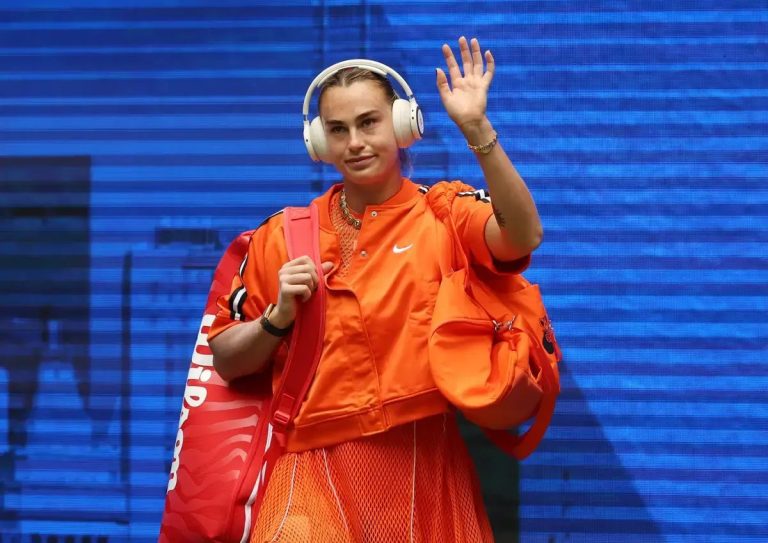
Prominent names such as Jannik Sinner and Aryna Sabalenka have publicly voiced strong objections to the prize money distribution model, accusing Grand Slam organizers of failing to keep pace with the astronomical growth of circuit revenues. The criticisms became particularly pronounced after Roland Garros, where many athletes deemed the share allocated to players unjust compared to the profits generated. Wimbledon responded with this substantial increase, but the tension remains palpable.
This discontent is not a mere whim: the balance of power between players and organizations is at stake, as well as the sustainability of the circuit itself. Top athletes are demanding a larger share of the revenues, arguing that they are the ones who generate the spectacle and attract sponsors and global audiences. On the other hand, tournaments defend the need to invest in infrastructure and the development of the sport, ensuring the long-term viability of tennis as a business and entertainment.
Jamie Baker, director of the Wimbledon tournament, addressed the issue directly in an interview with Andy Roddick on the podcast Served, describing the debate as “frustrating.” Baker explained: “It costs money to organize a championship. It costs money to develop the brand over many, many years. Now, that money and that investment, I look at it in two ways: the annual organization of the tournament and the major infrastructure projects. These two elements combined are the engine that allows us to generate revenue, which then serves two purposes: we can distribute large-scale monetary prizes to players and also support grassroots tennis. That is our business model. There are no leaks, there are no shareholders; we do not exist to deliver profits to anyone. All the money stays in tennis,” stated the British official.
Baker also emphasized that “using only revenue metrics doesn’t make sense for this business, because revenues only account for the money coming in. They don’t consider costs or investments, and that has to be part of the conversation. What frustrates me in this debate is that we are on the players’ side. We want players to share in the growth of the championship, and there is a way to do that. But we need to take a step back and recognize what makes this business work, what allows us, on average, to generate ten times more revenue than a tournament 1000, and still distribute up to five times more money.”
With the start of Wimbledon approaching, the tension promises to turn this edition of the Grand Slam into a veritable powder keg. The players’ demands could lead to last-minute negotiations or, in an extreme scenario, a boycott that shakes the foundations of the sport. If the dissent continues, other Grand Slam events may be pressured to immediately review their own revenue distribution models.
Next week will be crucial to determine whether the record increase announced by Wimbledon will be enough to avert the threat of a boycott and to restore peace between the organization and the players. What is certain is that, regardless of the outcome, the debate over who should profit more from the success of global tennis is far from over. The future of the circuit may very well involve a new era of revenue sharing — or an open war between players and executives.
NOW YOU CAN FOLLOW THE WORLD CUP WITH ALL THE INFORMATION – HERE
Discover more from Apito Final
Subscribe to get the latest posts sent to your email.