


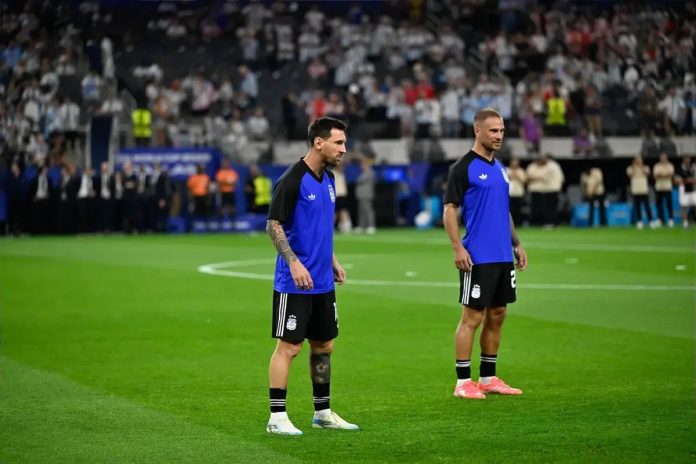
Lionel Messi is leaving the football world in shock as he leads the list of players who run the least in the 2026 World Cup, while simultaneously smashing efficiency records. The Argentine star, with only 8.1 kilometers covered per game, is the outfield player who covers the least distance in the entire competition—a statistic that, far from being negative, is becoming Argentina's greatest asset in their quest for World Cup glory.
According to data provided by Opta, Messi, who has already scored six goals in three matches, is the least “hard-working” in physical terms among the 618 players analyzed who have played at least 90 minutes in the group stage. The Argentine captain has accumulated 200 minutes on the pitch (not counting stoppage time), allowing him to showcase an absolutely impressive average: one goal every 33 minutes. The coldness with which Messi chooses the moments to accelerate, combined with his tactical intelligence, is bewildering opponents and yielding dividends for the albiceleste national team.
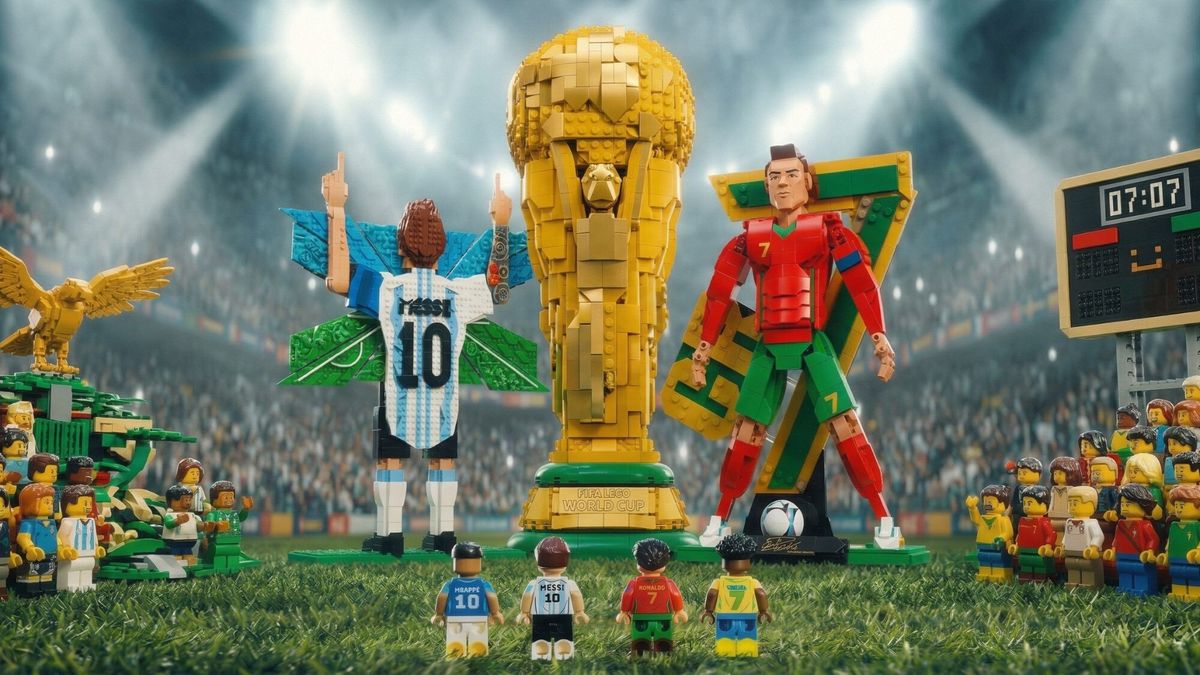
*The World Cup is experienced with LEGO*
[THE 2026 WORLD CUP IS EXPERIENCED WITH LEGO](https://www.lego.com/pt-pt/categories/football/football-gifts-toys)
This seemingly controversial statistic reveals a sign of maturity and adaptation from the Argentine genius. In a tournament where intensity and physical wear are increasingly decisive, Messi is showing that experience and game reading can be more important than the number of kilometers covered. Cristiano Ronaldo, the ultimate reference of Portuguese football and Messi's eternal rival, has an average distance covered of 8.6 km per game, and he does so at higher speeds. However, it is Messi who leads the top scorers' table, demonstrating that sometimes, less is more.
The impact of this approach is being debated throughout the football world. For critics who associate success with absolute physical delivery, Messi's numbers are a genuine wake-up call: “1st in goals (6), 618th in distance covered (8.1 km),” highlighted Opta in a viral post that has already ignited social media. The discussion about the value of physical effort versus technical effectiveness has never been so heated, with many experts arguing that Messi is redefining what it means to be decisive in a World Cup.
At the end of Argentina's last match, when asked about his management of effort, Messi responded with his usual calmness: “The important thing is to be in the right place at the right time. I'm no longer twenty years old, but I still feel capable of making a difference when the team needs it most.” This statement, made in the mixed zone after the final whistle, reinforces the idea that the Argentine is playing with his head – and not just with his feet.
Argentina, galvanized by their captain's performance, is now preparing for the round of 16 with renewed expectations. The strategy of conserving energy and showing up at decisive moments may be the key to going far in the competition, especially in an advanced stage where fatigue is already taking its toll on the main favorites. For Messi, every minute on the pitch is precious, and every movement is calculated down to the last detail, forcing opponents to constantly reassess their defensive approach.
What will follow? The controversy surrounding this statistic will continue to fuel debates, but one thing is certain: Messi is challenging all the conventions of modern football. If he can maintain this lethal effectiveness with so little mileage, he could not only lead Argentina to the title but also redefine the profile of the decisive player in knockout stages. The world is watching the genius from Rosario – and, apparently, he doesn’t need to be seen running to shine.
NOW YOU CAN FOLLOW THE WORLD CUP WITH ALL THE INFORMATION – HERE

O MUNDIAL 2026 VIVE-SE COM A LEGO
Discover more from Apito Final
Subscribe to get the latest posts sent to your email.

