


The participation of Iran in the 2026 World Cup is in suspense, and the uncertainty is beginning to create a stir in the football landscape. With rising tensions in the Middle East, two teams are emerging as favorites to take the spot that may be left vacant by the Iranian team: Iraq and the United Arab Emirates. This tense scenario has been heightened by alarming statements from Mehdi Taj, the president of the Iranian Football Federation, who expressed his concern regarding the national team’s presence in the tournament, stating: “After this attack, we cannot expect to look at the World Cup with hope.”
FIFA, which is committed to ensuring the tournament scheduled to start on June 11 goes ahead, is under pressure to make a swift decision. Sources within the organization indicate that if Iran withdraws, the spot should be filled by another team from the Asian Football Confederation (AFC). FIFA’s regulations are vague on this matter, allowing the organization “full discretion” to “take any measures it deems necessary,” thus opening the door to various interpretations.
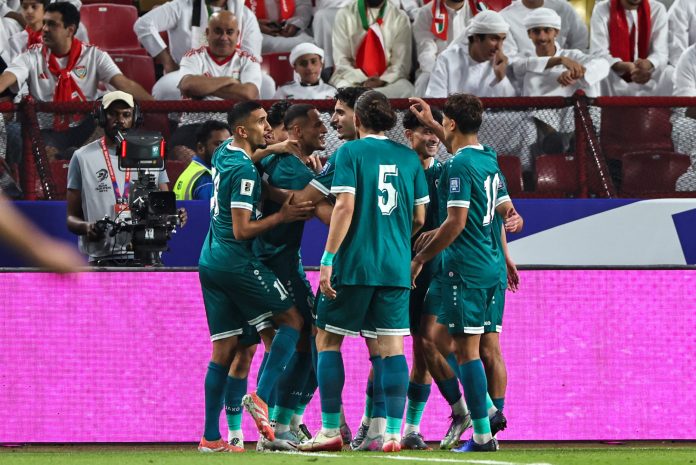
Iraq stands out as the leading candidate to inherit the Iranian spot. The Iraqi national team has already made significant strides by defeating the United Arab Emirates in a playoff, securing a place in an intercontinental playoff against Bolivia or Suriname, scheduled for March 31 in Monterrey. If Iraq fails to qualify directly, it will be first in line to replace Iran, according to FIFA sources.
If, on the other hand, Iraq secures direct qualification, the opportunity may then be offered to the United Arab Emirates, which is the highest-ranked Asian team not qualified for the tournament. This scenario is creating an atmosphere of anticipation and speculation among football fans and analysts.
Amid this uncertainty, FIFA Secretary General Mattias Grafström assured last Saturday that “our focus is to have a safe World Cup with the participation of everyone.” However, the tension between Iran and the United States has already reflected in significant restrictions, including a ban on Iranian citizens entering the country, with limited exceptions for the national team. Additionally, several Iranian officials, including Mehdi Taj, have faced difficulties being denied visas for the World Cup draw, which took place in Washington in December.
It is important to remember that Iran secured its qualification by winning Group A of the third round of AFC qualifying and has matches scheduled against New Zealand and Belgium in Los Angeles, and against Egypt in Seattle. With the future of the Iranian national team at stake, the outcome of this situation could have significant repercussions for the World Cup, and the world’s eyes will be on the decisions that follow.
Discover more from Apito Final
Subscribe to get the latest posts sent to your email.

