


As the Premier League approaches its final stretch, the clash between Arsenal and Manchester City is being billed as the decisive duel of the season. However, the truth is that this championship has been, at best, mediocre, especially at the top of the table. The media euphoria conceals a season that will hardly be remembered by football purists, and the performances of the top teams leave much to be desired.
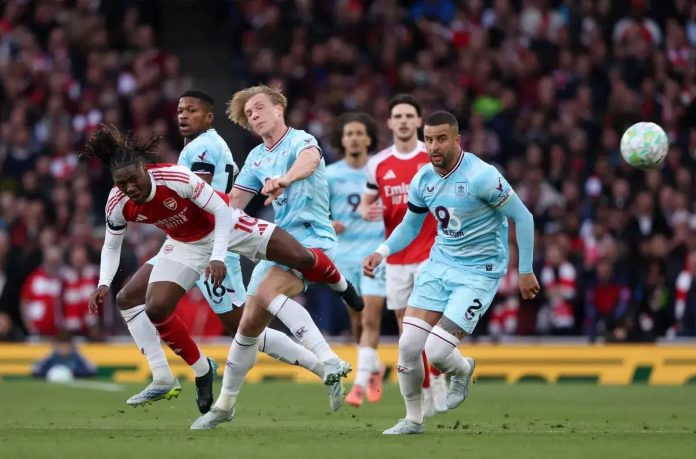
Last night, Arsenal once again demonstrated their limitations as they struggled to overcome Burnley, who are already relegated. The 1-0 victory, with a goal from Kai Havertz following a corner taken by Bukayo Saka, marked the eighth time this season they have won by such a narrow margin and the 19th time the team has scored from a set piece (excluding penalties). Despite having talents like Saka, Leandro Trossard, and Eberechi Eze, the Gunners seem unable to create goal-scoring opportunities in sufficient quantity and quality to excite their more demanding fans. This solid defensive model, while effective, reveals a team that is lacking in creativity and limited, a direct reflection of the tactical choices made by Mikel Arteta, whose nervous gestures on the sidelines frustrate and do not help the team gain any spirit.
On the other hand, Manchester City seems on the verge of failing to secure the title in Pep Guardiola’s final year at the helm, a scenario that few anticipated. Although the citizens’ style of play is more attractive and fluid, the team ultimately generates few strong emotions and is seen by many as an Arab project sustained by money, with the inevitable controversies that this entails. The dark cloud hanging over City is not just football-related: nearly a year and a half after the disciplinary hearing over alleged financial violations, there is still no verdict, and the 115 charges continue to cast doubt on the integrity of the club. Even denying the accusations, the club remains under suspicion, tarnishing the image of English football. Many genuine fans would not be upset if City were to miss out on the title.
However, not everything is negative in this Premier League. Teams like Bournemouth, Brighton, and Brentford are clear examples of sustainable growth and smart data-driven recruitment, a model that could finally break the cycle of clubs that never manage to reach the most coveted European spots. Furthermore, the continued presence of Sunderland and Leeds in the Premier League after their promotion shows that returning to the elite does not always mean an immediate drop. The investment was not exorbitant, but rather well-directed, focusing on strengthening the physical capabilities of the squads, which allowed them to compete with dignity.
On the opposite side, the fight for survival has been fierce and marked by the downfall of clubs with chronic mismanagement. Tottenham and West Ham find themselves under serious threat of relegation, a just punishment for years of poor decisions. West Ham’s move to the London Stadium has proven to be a total disaster, with the team losing its identity and results. Meanwhile, Tottenham, despite having a top-tier stadium, has squandered millions on questionable signings like Dominic Solanke (£65 million) and Richarlison (£60 million), without this translating into convincing football or results that could save their season.
This Premier League may not have been the spectacle that many expected, but it continues to offer intense narratives for the final chapters of the season. Arsenal and Manchester City are battling not only for the title but for their own credibility, while smaller clubs are fighting to rise and survive in an increasingly competitive and unpredictable league. If you’re a football fan, brace yourself for an explosive conclusion — and be prepared to look beyond the headlines, because the reality of the league is far from the proclaimed glory.
This article first appeared on Apito Final.
Discover more from Apito Final
Subscribe to get the latest posts sent to your email.

