


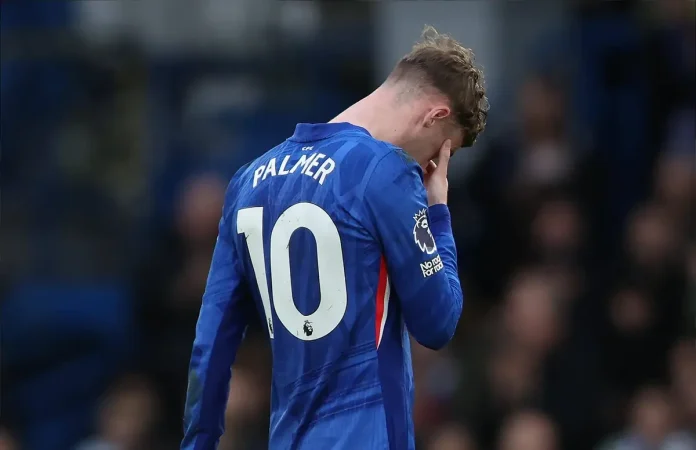
The health and well-being of football players are under intense scrutiny, especially following the strong statements made by Maheta Molango, the CEO of the Professional Footballers’ Association. Molango expressed serious concerns about the physical condition of Cole Palmer, one of the most promising talents in football today. “He doesn’t have an extra lung or an extra leg!” he stated, highlighting the challenges athletes face regarding their physical exertion and the pressure they feel to perform at a high level.
Molango’s words resonate throughout the sport, where the physical demands are increasingly intense. Palmer’s situation is not an isolated case; many players are feeling the weight of expectations, resulting in a rise in injuries and health issues. Molango’s warning is not merely a casual observation but a call to action for clubs, leagues, and regulatory bodies, which need to rethink their approaches to training, recovery, and the protection of athletes.
Cole Palmer, who has been impressing with his performances, is a clear example of the pressures young players face. The expectation for them to deliver world-class performances often overshadows the essential need to take care of their physical and mental health. It is vital for professional sports to find a balance between competitiveness and the protection of their athletes.
Molango’s statements raise the alarm for a review of current practices in football. With the increasing demands of the sports calendar and the pressure for results, the discussion about player well-being has never been more relevant. Health should be a priority, and it is the responsibility of everyone in the industry to ensure that athletes have the necessary support to thrive, both on and off the field.
Discover more from Apito Final
Subscribe to get the latest posts sent to your email.

