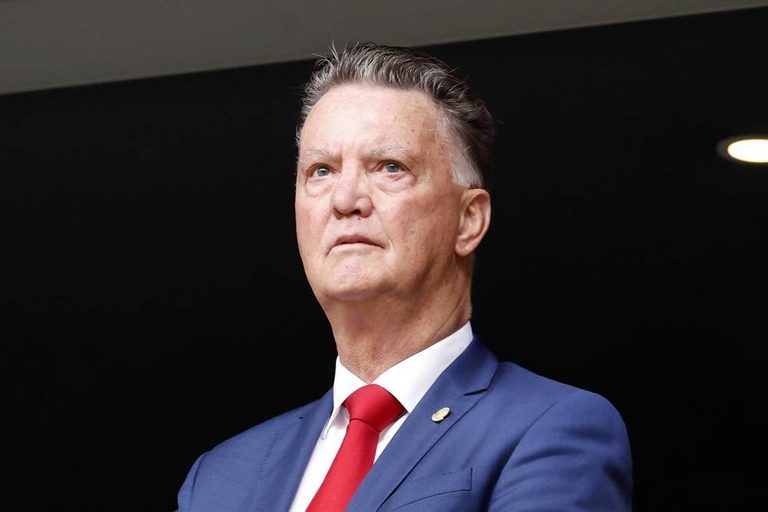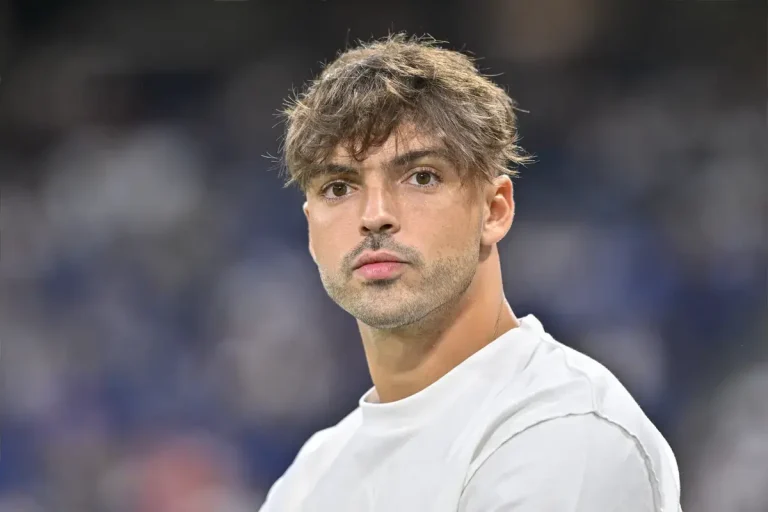
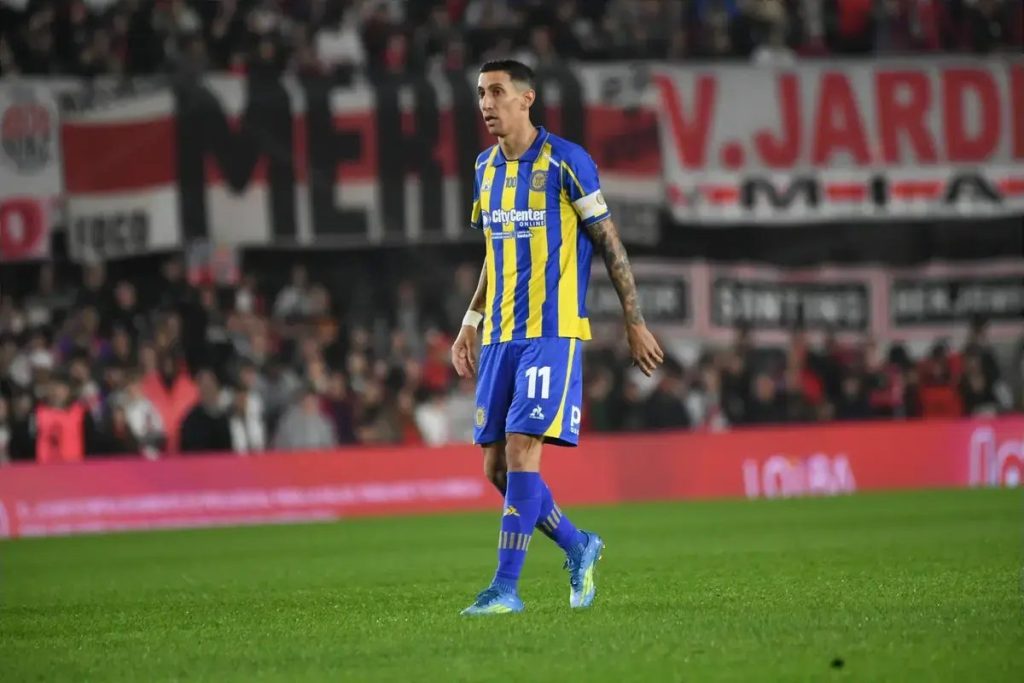
The bitter relationship between Ángel Di María and Louis van Gaal at Manchester United proved to be one of the most tumultuous chapters in the Argentine star’s career. In exclusive statements to BBC Sport, the World Cup champion with Argentina did not hold back in his criticism of the former manager, whom he claims was primarily responsible for his distress at Old Trafford, even confessing that he came to “hate” the club during that dark period.
Ángel Di María joined Manchester United in August 2014 for a record fee of £59.7 million from Real Madrid, with the ambition of helping Van Gaal bring the English title back to the club. His start was explosive: he scored three goals and provided four assists in his first six games, giving the impression that the transfer would be a guaranteed success. However, the story quickly changed.
The Argentine revealed that his relationship with Van Gaal soured when the coach began to focus exclusively on the negative aspects of his performance, completely ignoring the qualities Di María displayed on the field. “Everything started off very well, everything flowed. Then I began to have problems with Van Gaal and from there everything collapsed,” explained the attacking midfielder. Van Gaal, known for his rigid method and structured tactical vision, experimented with Di María in various positions — on the wings, as a “ten,” and even as a midfielder — but failed to find the ideal role for him, which ultimately led to tensions.
Behind the scenes, discussions intensified, exacerbated by a traumatic episode: an attempted burglary at his home in Cheshire, where he was with his family. The instability off the pitch and constant criticism on it made Di María’s life unbearable. “Life there was very different. It starts to get dark very early and the cold came. Everything was piling up. When all this happens, when you’re not playing, when things aren’t going well, when you have problems within the club, it ends up affecting you a lot. I came to hate being there,” confessed the star.
The wife of Di María, Jorgelina Cardoso, also experienced a difficult period in Manchester. In an interview in 2022, she revealed to the Daily Mail that she did not feel safe and hated the environment: “People are strange, you walk down the street not knowing if they are going to try to kill you. The food is horrible. The women look like porcelain. In Madrid, we had everything perfect — the best club in the world, perfect food, perfect weather. Then came the offer from United. I said ‘no way,’ but he insisted it would be financially better and that we had to go. We fought against it, it was horrible. I told him ‘I wanted to kill myself, it’s night at two in the afternoon.’”
The rift between Di María and Van Gaal became inevitable. In March, the coach was already starting to leave the Argentine out of the starting lineup. Minor injuries and a red card in the FA Cup against Arsenal further worsened the situation. When the season ended, Di María refused to participate in the pre-season in the United States and demanded to leave the club. He transferred to Paris Saint-Germain for £44.3 million, putting an end to a frustrating cycle.
Louis van Gaal, for his part, responded to the accusations with his version of events: he insisted that he never requested the signing of Di María, which was a decision made by the club, and acknowledged that, in his view, the deal was a mistake. He defended his rigid method and explained that he tried various positions for the Argentine, but he was never able to be effective in the role assigned to him.
This case is a clear example of how poor talent management and internal conflicts can destroy even the greatest promises in football. Di María, now back at his childhood club, Rosario Central, moves on without regrets, but his words serve as a warning to clubs that bet big and do not know how to manage their stars. The Van Gaal-Di María episode will forever remain one of the biggest fiascos of Manchester United in the last decade, marked by personal conflicts, family tension, and a career that could have been very different.
This article first appeared on Apito Final.
Discover more from Apito Final
Subscribe to get the latest posts sent to your email.