


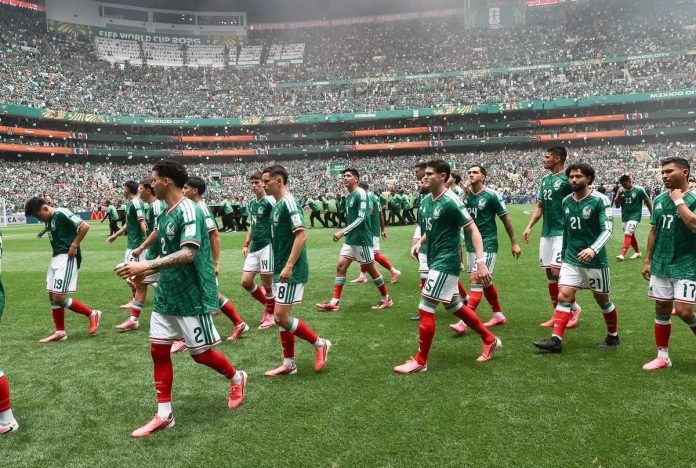
Mandatory hydration breaks have arrived at the 2026 World Cup and are igniting discussion among fans and experts, not only for their direct impact on the game but also for the real motivations behind this controversial decision by FIFA. The traditional 45 minutes of uninterrupted football have officially been interrupted by three minutes midway through each half, in a move that promises to transform the pace of the planet’s biggest national team competition — and is already generating intense reactions everywhere.
FIFA has announced that starting from the 2026 World Cup, every match will include mandatory hydration breaks at the 22-minute mark of each half. These breaks, lasting three minutes, will apply to all 104 matches of the tournament, regardless of whether the temperature is high or the stadium is covered. This decision comes after recent experiences, particularly during the Club World Cup held in the United States, where the heat was felt particularly intensely. Previously, the so-called “cooling breaks” were only implemented at the referee’s discretion and based on weather conditions, as was the case in 2014 and 2022, or at Euro 2020. Now, for the first time, the interruption is universal and non-discretionary.
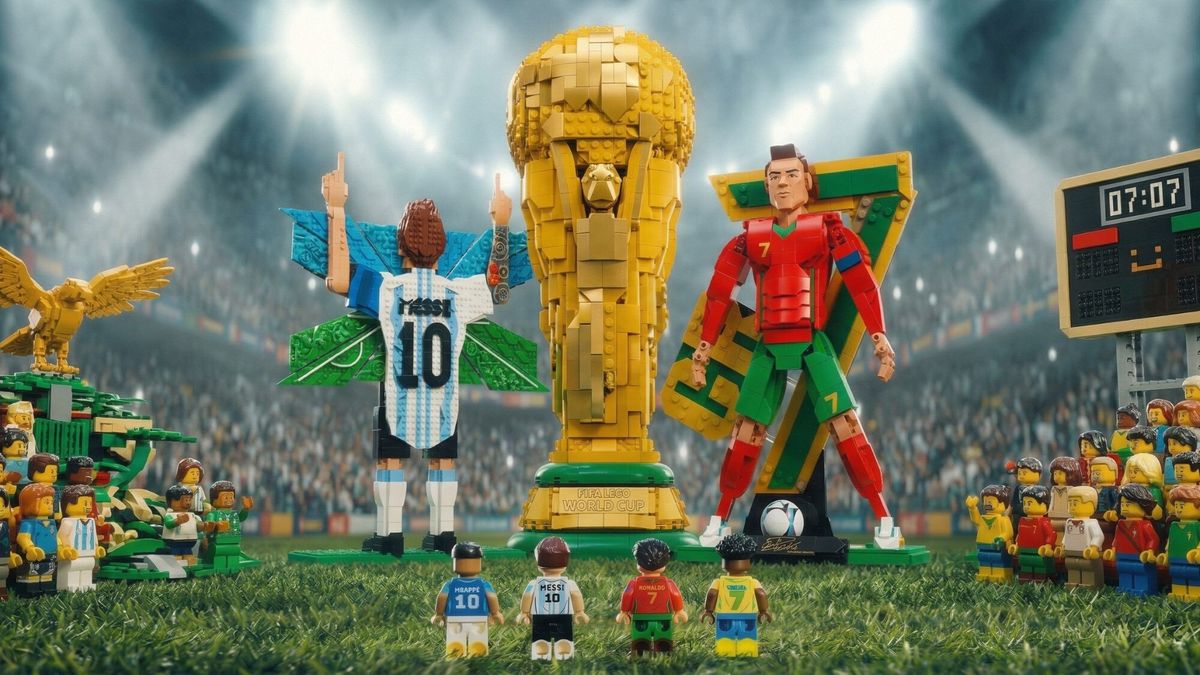
THE 2026 WORLD CUP IS EXPERIENCED WITH LEGO
According to FIFA, the main objective is to ensure the best possible conditions for players, anticipating potential risks of exhaustion due to the heat. “The hydration breaks are part of a focused attempt to ensure the best possible conditions for players, leveraging the experience from previous tournaments, including the recent Club World Cup,” FIFA highlighted when announcing the measure. However, this explanation did not convince everyone, especially after it became clear that television broadcasts would take advantage of these breaks to insert advertising blocks, something unprecedented in World Cup history.
The introduction of these breaks is facing strong opposition from fans, who believe that football is losing its identity. Many argue that this decision clearly favors commercial interests, violating the tradition of a fluid game without artificial interruptions. In the United States, FOX wasted no time and, right from the inaugural match, took advantage of the breaks to air advertisements, even missing some live game action because of it. For many, FIFA has succumbed to the temptation to maximize revenues, similar to what happens in sports like basketball or American football, where commercial breaks are a central part of the broadcast.
The reaction from fans has been particularly negative on social media and debate forums. Many feel that the World Cup is losing its essence and that these breaks disrupt the rhythm and excitement of the game, making it more akin to North American sports, where the television spectacle often overshadows the action on the field. The discomfort is particularly noticeable among purists of European football, who see this change as yet another concession to major economic interests and the Americanization of the beautiful game.
The controversy is far from over. FIFA insists that the priority is the safety of players, but it will be difficult to shake the perception that advertising revenue played a significant role in this decision. In the immediate term, players and coaches will have to adapt their strategies to this new artificial break, which may even allow for the introduction of mini-tactical meetings during halves. In terms of competitive impact, it remains to be seen whether these breaks will benefit teams with greater squad depth or if they will create new dynamics in gameplay.
The future of international football may be at stake, with this measure serving as a testing ground for potential changes in other tournaments and championships. What is certain is that the 2026 World Cup is already being marked by both the emotions on the pitch and the controversy off it — and hydration breaks are the main fuel for this fire. It remains to be seen whether FIFA will remain steadfast or if fan pressure will ultimately force a reconsideration of this strategy, potentially revolutionizing the way we experience football at the highest level.
[NOW YOU CAN FOLLOW](https://apitofinal.pt/internacional/mexico-e-africa-do-sul-abrem-mundial-2026-no-estadio-azteca/) THE WORLD CUP WITH ALL THE INFORMATION – [HERE](https://mundialfutebol.com/)
Discover more from Apito Final
Subscribe to get the latest posts sent to your email.

