
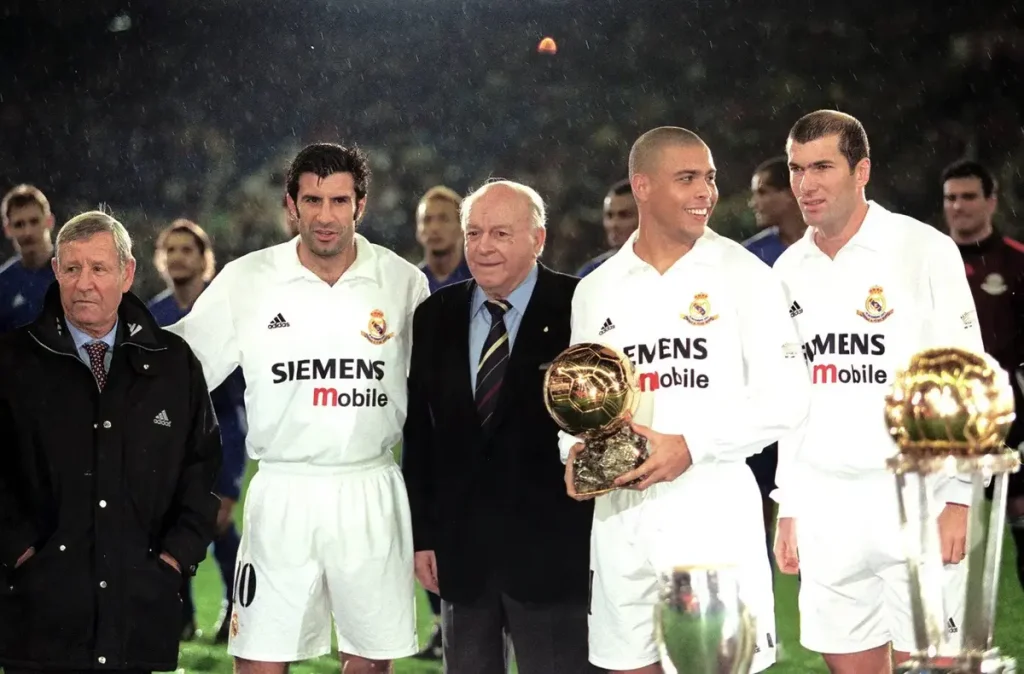
Football, one of the most beloved sports in the world, seems to have lost some of its magic over the years, and many fans are questioning whether the golden days of the past were indeed the best. A recent analysis of the evolution of football reveals an alarming discrepancy between the reality on the pitch and the way the sport is currently promoted. The author, who has extensive experience observing the game, does not hesitate to paint a stark picture of what he considers to be the decline of the spectacle.
“Football was an escape, a form of entertainment, a showcase of skill and talent… now it seems like work,” states a dissenting voice amid the tide of marketing that surrounds the sport. This statement, coming from a disillusioned fan, resonates with many who feel increasingly distanced from the essence of the game. Over the past three decades, football has been elevated to an almost mythical status, but the truth is that the reality in the stadiums is often quite different from what is presented in advertisements.
It is undeniable that nostalgia for past decades, such as the 1990s, is seductive. It was a time when players like Paul Gascoigne, Eric Cantona, and Georgi Kinkladze shone on the pitch, providing moments of pure magic that today seem scarce. “Today’s players are much less exciting or are limited by the structure of clubs, which have become addicted to the safety of a 7 out of 10 instead of a 4 or a 9,” observes the author. An example of this is Declan Rice, who, no matter how talented he is, cannot match the impact of a Bryan Robson, who was a true phenomenon on the field.
But what has really changed? The answer is complex, but one of the main reasons for widespread dissatisfaction is the exorbitant increase in ticket prices and broadcasting rights. The experience of watching a game has become a financial burden, leading fans to question whether it is truly worth paying for a spectacle that often features dull and predictable football. “If the game was bad, I didn’t feel so bad about having paid 50 pence to see it, but now we spend exorbitant sums to watch players who earn more in a week than many do in years,” laments the author.
Violence in football has also had a significant impact on the perception of the sport. In the 1980s, scenes of violence alienated many fans, but it was in the 1990s that the balance between the quality of play and accessibility began to emerge. The introduction of the back-pass rule and the presence of international stars brought a new dynamic to the game. However, even during that period, the wage disparity was already striking, with players like Alen Boksic earning salaries that made fans question the morality of football.
The criticism goes beyond nostalgia; it is a call for transparency and authenticity. Fans must trust their instincts and their eyes, recognizing that, despite the propaganda glorifying the present, the truth is that many feel that today’s football is far less exciting. The experience of being in the stadium is often marked by a discontent that did not exist in previous decades.
The author concludes that, while there is no desire to romanticize the past, it is important to acknowledge that football, as we know it, has undergone a transformation that has not always been positive. “We should not be afraid to say that yes, football was better before,” he states, urging fans to stand up for what they believe to be true. The appeal for honesty and the rediscovery of the essence of the game is a cry that many are ready to hear. Football, after all, should be a celebration, not an obligation.
Discover more from Apito Final
Subscribe to get the latest posts sent to your email.