The recent surge in violence associated with drug cartels in Mexico raises serious questions about the security of the FIFA World Cup, scheduled for this summer. Experts consulted by BBC Sport warn that the tournament’s co-host may face an unprecedented security crisis as armed confrontations have begun to erupt in recent hours.
The explosion of violence is directly linked to the Jalisco New Generation Cartel (CJNG), one of the country’s most feared and powerful cartels, which launched an attack in response to the death of its leader, Nemesio Oseguera Cervantes, known as “El Mencho,” during a military operation. The streets of the central-western region of Jalisco, where the security situation has been elevated to red alert, have become scenes of gunfire, roadblocks, and burning vehicles. Images shared on social media show armed men patrolling the streets and smoke rising over the cities.
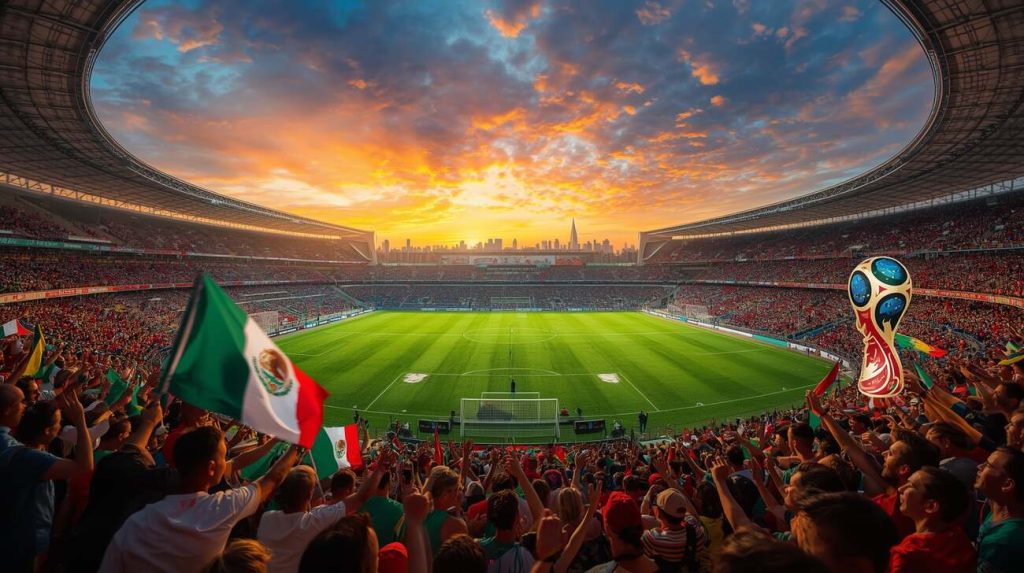
Guadalajara, the capital of Jalisco and a city with over a million inhabitants, is set to host four matches of the tournament. Additionally, Mexico City will have five matches, while Monterrey will host another four. The impact of this violence could be devastating for the logistics and safety of tourists traveling for the event.
Javier Eskauriatza, an assistant professor of criminal law at the University of Nottingham, states, “When cartels are pressured, there is a reaction – the danger is that it can be very difficult to control a security situation that spirals out of control.” The death of El Mencho has created a power vacuum that may lead to a period of instability, with rival factions fighting for control.
Despite the brutality of the cartels, Eskauriatza notes that they have an economic interest in ensuring that the World Cup proceeds peacefully. “Yes, they bribe politicians and local police forces, but they also invest in restaurants and hotels. It is part of their economic system. It is beneficial for them that British, American, and other tourists come to Mexico, spend their money, and have fun,” he explains.
The violence of the CJNG, estimated at over £10 billion and with tens of thousands of members, has already resulted in massacres, kidnappings, and the assassinations of politicians since its formation in 2009. However, some cartel figures enjoy a certain popularity in local communities for contributing to local infrastructure and services.
Dr. Karina Garcia-Reyes, a senior criminology lecturer at UWE Bristol, mentions that the risk to tourists is moderate: “Unless more military operations are conducted this week, I hope that the authorities in the most affected areas can manage the potential risks, so overall, I expect tourists to be safe, as long as they follow the authorities’ guidance.”
Concerns about safety in Mexico are not new; there have been criticisms regarding the security planning for the World Cup, especially following the militarization of police forces in the U.S. under the administration of Donald Trump, which resulted in several tragedies. Now, all eyes are on Mexico, which must ensure the safety of fans intending to travel to the event.
Recently, four football matches, two from the first division and two from the second, were postponed due to violence. The Mexican population hopes that this situation will be an isolated event, but uncertainties persist as the CJNG continues its campaign of terror. The question that remains is: will Mexico be able to ensure the necessary security for the celebration of the world’s most important football?
Discover more from Apito Final
Subscribe to get the latest posts sent to your email.