


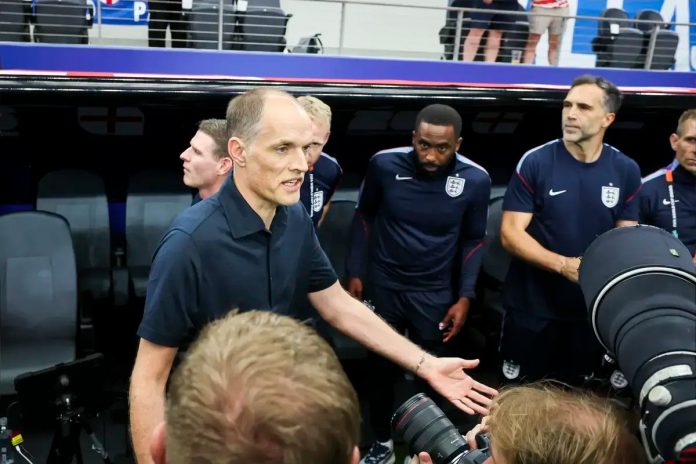
Thomas Tuchel and Jürgen Klopp shared an unexpected moment of camaraderie and respect shortly after England thrashed Croatia 4-2 in their World Cup opener. The image of the two German coaches, long-time rivals in club football, exchanging an enthusiastic hug along the touchline not only caught the cameras’ attention but also highlighted one of the major narratives of this World Cup: the rise of elite coaches to the forefront and the increasing power that national federations are granting them. This World Cup, more than any other, is being dominated by established names from European and South American football, who are lending their tactical genius and top-level experience to their national teams.
With Thomas Tuchel at the helm of England, Carlo Ancelotti leading Brazil, Mauricio Pochettino surprising with the United States, and Julian Nagelsmann renewing Germany’s enthusiasm, the tournament is witnessing an unprecedented showdown of coaches. By entrusting the technical leadership to Tuchel, England has demonstrated its determination to bet everything on the tactical mastery and leadership skills of someone who has already shone at the world’s biggest clubs. The convincing victory over Croatia dispelled doubts and set off alarms among rivals. On the Brazilian side, Ancelotti, accustomed to high-pressure environments, appears unflappable and has already won over fans by managing a locker room full of stars and egos, as well as navigating controversies surrounding Neymar and the use of young Endrick. In the United States, Pochettino has led the host team to an unprecedented first place in the group stage, while Nagelsmann, at just 38 years old, has restored Germany’s aura as a title contender with a series of 11 consecutive victories.
The 2026 WORLD CUP IS EXPERIENCED WITH LEGO.
The importance of this trend goes beyond mere media curiosity. The investment by federations in renowned coaches is shifting the balance of power in national team football, which has traditionally been marked by more “homegrown” and less daring choices. Now, the focus is on attracting coaches who, in addition to mastering tactical aspects, know how to manage dressing rooms filled with stars and handle the pressure of global expectations. This change could define the future of international football and influence the selections for upcoming competitive cycles, with less ambitious federations risking being left behind.
After the victory over Croatia, Thomas Tuchel faced initial criticism of his choices with confidence: “When I announced the starting eleven, many questioned my options, but I believe in the daily work and in the players who show a willingness to win,” the German coach told the British press. Jude Bellingham, who shone in various positions and proved fundamental in the buildup to the goals, corroborated the coach’s view by stating: “The boss asked me to be versatile, and I think I delivered.” Ancelotti, for his part, justified his decisions after the draw with Morocco: “The secret lies in calmness. Pressure is always present, but this team has the maturity to respond,” the Italian said at a press conference after the match, also praising the immediate impact of Matheus Cunha and the tactical flexibility of Vinícius Júnior, who was again named man of the match.
Mauricio Pochettino, who has faced criticism and doubts since taking charge of the United States, highlighted the importance of squad management, especially after the historic victory over Paraguay: “Our group believed until the end. The decision to rest Pulisic was difficult, but necessary to ensure the team’s freshness in crucial moments,” the Argentine explained in post-match comments. Julian Nagelsmann, for his part, recently stated: “Bringing back the winning mentality to Germany was the main objective. Our work is far from over.”
The presence of these elite coaches is raising the competitive level of the World Cup and sending a warning to the competition: anyone wanting to fight for the trophy will need to invest in technical excellence and high-level human resource management. The federations that have heavily invested in renowned coaches are already reaping the initial rewards and, should they advance to the decisive phases, could usher in a new era in international football. Behind the scenes, there is already talk of possible renewals and even market movements to secure these names for the next World Cup cycle. The pressure on coaching staff has never been greater, and the upcoming matches promise to further expose the impact of these bold decisions. The tactical battle, more than ever, is being fought on the sidelines — and it may be there that the new world champion is decided.
NOW YOU CAN FOLLOW THE WORLD CUP WITH ALL THE INFORMATION – HERE
Discover more from Apito Final
Subscribe to get the latest posts sent to your email.

