
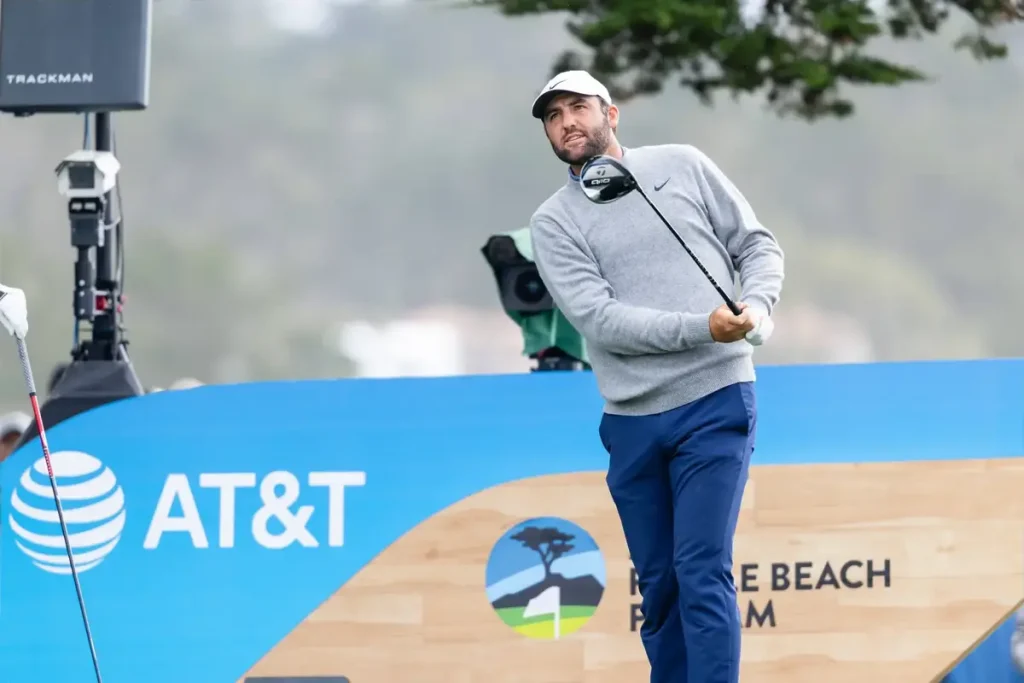
The analysis of Scottie Scheffler’s cultural impact on the world of golf reveals a harsh reality that could shock even the sport’s most fervent fans. While his performance on the course is undeniably impressive, a golf expert has cast a critical eye on the lack of “aura” that could make him as iconic a figure as Tiger Woods. Kevin Van Valkenburg, Director of Content at Fried Egg Golf, did not hesitate to state: “Scottie does not appeal to anyone who doesn’t already like golf. He is not generating any cultural impact, whereas Tiger was an almost mythical figure.”
These provocative words should not be ignored. Woods was not just an exceptional player; he transformed the landscape of golf during his peak. His presence on the tour elevated not only competitiveness but also the visibility and economy of the sport. Between 1996 and 2008, the total prize money on the PGA Tour increased from $101 million to approximately $292 million, a growth three times greater than the period before Woods arrived. During the years when Woods was at his peak, the tournaments he participated in attracted twice as many viewers as those he did not play in. In 2008, his presence boosted viewership by up to 300%.
The so-called “Tiger Effect” has been a game changer, making golf more accessible and appealing to diverse audiences, particularly those who traditionally viewed the sport as an exclusive club for white men. Woods’ impact is still palpable, as demonstrated by the 73% surge in viewership during his participation in the 2018 PGA Championship, in contrast to the 4% drop in audience that Scheffler experienced following his victory in the same tournament in 2025.
The difference in impact between the two players is striking. While the final of the 2025 PGA Championship attracted an average of 4.76 million viewers, this represents a decline from the 4.96 million who watched Xander Schauffele’s victory in 2024. Additionally, viewership during the 2024 Masters, where Scheffler secured his second green jacket, fell by 20% compared to the previous year. Even with his historic 20th victory at the 2026 American Express, much credit was given to the young Blades Brown, just 18 years old, who impressed everyone at the tournament.
Scottie Scheffler, the current world number one, has distanced himself from comparisons with Woods. “Tiger is a guy who stands alone in golf, and I think he always will,” he stated, showing a clear reluctance to be placed in the same light as the legendary player.
Despite the criticism, it cannot be denied that Scheffler’s quality of golf is sublime. He has become the first player since Tiger Woods to win five or more tournaments in consecutive years, achieving seven titles in 2024 and six in 2025. With his victory at the AmEx in 2026, he became the third fastest player to reach 20 wins on the Tour, surpassing historic marks.
However, comparisons with Woods are not only inevitable but also challenging. Woods still holds impressive records, such as 15 major titles and 281 consecutive weeks at number one in the world rankings. In comparison, Scheffler found himself with 114 weeks in February 2026 and still needs to win a U.S. Open title to join the Grand Slam champions club.
As Scheffler continues to rise in the hierarchy of golf, the shadow of Tiger Woods remains a massive barrier to overcome. The road ahead is promising, but matching Woods’ legacy may be an almost impossible task, not just for Scheffler but for any player aspiring to make their mark in the sport. Scheffler’s struggle is, therefore, both an internal battle and a race against the history of golf.
Discover more from Apito Final
Subscribe to get the latest posts sent to your email.