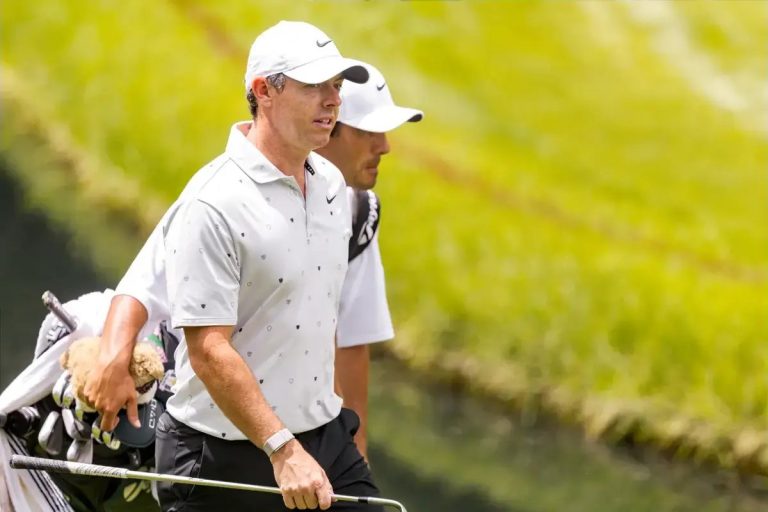
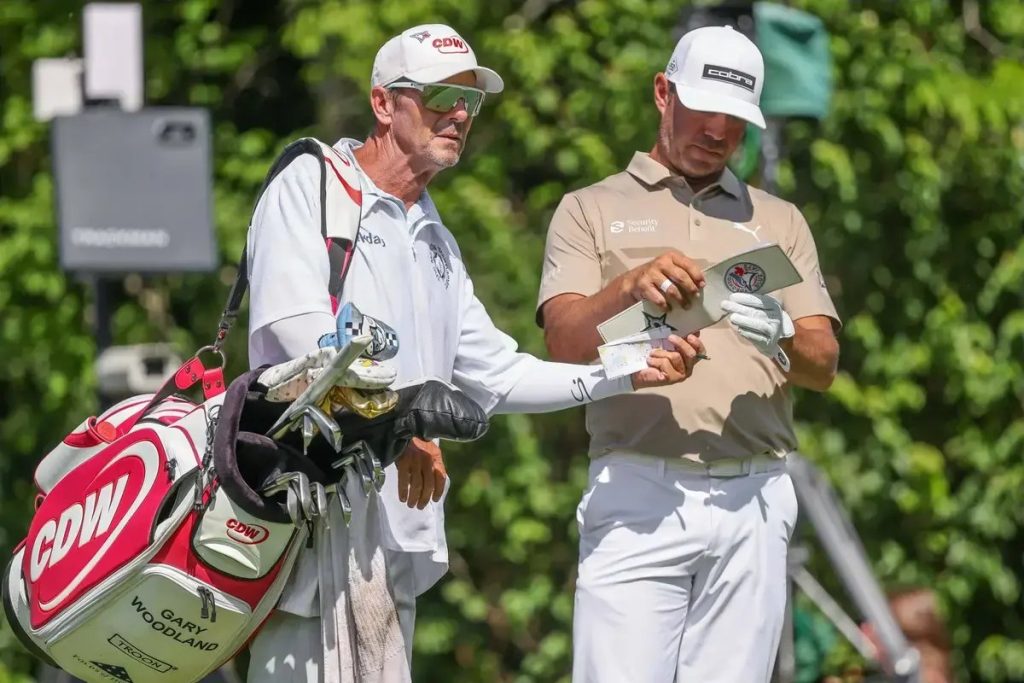
In the heart of the Memorial Tournament, [Scottie Scheffler](https://apitofinal.pt/modalidades/golf/scottie-scheffler-evita-eliminacao-e-mantem-esperancas-no-memorial/) starred in a moment of pure tension that shook the world of golf. The American’s verbal explosion directed at his caddie, Ted Scott, was not just a venting of frustration over a misreading of the wind for a crucial shot; it was a raw manifestation of the immense pressure that weighs on the shoulders of the best players in the world. And, contrary to what many might think, this episode reveals more about Scheffler’s character and demands than a mere lack of respect.
Let us recall the words of former caddie Michael Collins, who worked on the PGA Tour for a decade and understands the psychology of this sport like few others: “The hardest thing for a human is to look in the mirror and say ‘it’s my fault.’ Now imagine having to do that for 18 holes, every day.” Collins explains that the role of a caddie goes far beyond carrying clubs; it is also about being the emotional support for a player who oscillates between frustration and euphoria with every shot. “If the player can’t let go of a mistake, the next hole suffers. And if that means taking it out on me, that’s fine. As long as we make a birdie next, it’s all good,” Collins says, illustrating the complex relationship between player and caddie.
In Scheffler’s case at the Memorial, the fury was not a gratuitous explosion. It was a moment of catharsis, a release valve for the overwhelming pressure of an athlete who lives for perfection. Although the words were directed at Ted Scott, there were no insults or public humiliations. On the contrary, Scheffler maintained a dignity that many did not recognize at first glance. His frustration, while intense, was contained within limits that respect the professional and human relationship between the two.
Some criticize the attitude for being filmed and broadcast live, arguing that it exposed an unequal power dynamic, with the player taking out his stress on the caddie. However, this simplistic reading ignores the complexity of the situation. We are dealing with a world champion, an athlete who imposes almost unattainable standards on himself, and who, when he fails, feels it as a devastating personal failure. His momentary “grumpiness” is, after all, a sign of his obsession with excellence, not of an abuser.
Collins himself shares a story that reflects this reality. During the Travelers Championship, his player Kevin Streelman shouted at him that the wind reading was wrong, even when it was correct. Later, Streelman apologized, but Collins told him never to do that on the golf course, as that is the nature of the game: a delicate balance between criticism, support, and personal sacrifice.
Scheffler and Scott understand this price. And, certainly, the caddie has the necessary tolerance to endure these difficult moments, knowing that they are part of the journey to glory. What remains to be seen is how this tension will be managed once the spotlight fades — that is when the true measure of Scottie Scheffler’s character will be revealed.
For fans and experts, this episode serves as a clear example of the extreme psychological pressure that the top players face and the crucial role of caddies, not just as equipment carriers, but as essential pillars for the mental stability of their athletes. In the end, this is a story about demand, resilience, and, above all, humanity within elite sports.
[YOU CAN NOW FOLLOW](https://apitofinal.pt/internacional/bruno-fernandes-em-busca-de-premio-duplo-e-a-negar-estrelas-do-arsenal/) THE WORLD CUP WITH ALL THE INFORMATION – [HERE](https://mundialfutebol.com/)
Discover more from Apito Final
Subscribe to get the latest posts sent to your email.