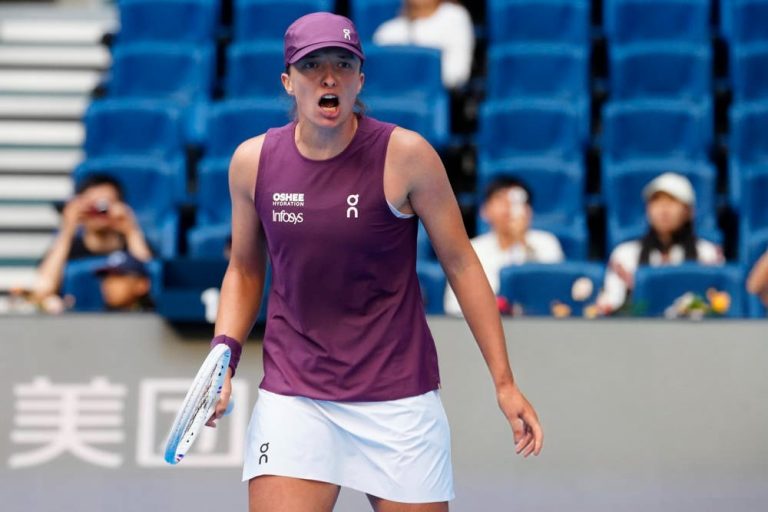

Aryna Sabalenka, one of the rising stars of women’s tennis, recently made waves by criticizing the mandatory participation in WTA 1000 events in the Middle East. Following a disappointing loss to her rival, Elena Rybakina, the Belarusian decided not to compete in the region’s tournaments, raising questions about the requirements imposed on players.
In statements that resonated on social media and in sports circles, Sabalenka expressed her dissatisfaction, stating that “it is not fair to have to play in certain places just because of the ranking.” Her words resonate with many players who feel pressured to compete in conditions that, for some, can be uncomfortable or even challenging.
The tennis player, who has been a force to be reckoned with on the circuit, did not shy away from speaking out against what she considers an unfair imposition. “I think we should have the freedom to choose where we want to play. The pressure to participate in events that we do not feel comfortable with is something that should be discussed,” Sabalenka stated, emphasizing the importance of personal choice in sports.
By refusing to participate in tournaments in the Middle East, Sabalenka positions herself as an advocate not only for herself but for all athletes who feel overwhelmed by the need to maintain a high ranking at the expense of their well-being. The contrast between competitive demands and the desire for autonomy in choosing competition locations is a topic that continues to be debated among sports professionals.
Sabalenka’s decision could have significant repercussions, not only for her career but also for the future of WTA events. As players begin to vocalize their concerns, the WTA will have to consider the adaptability of its rules and the impact they have on the mental and physical health of the athletes.
With a performance that has placed her in the spotlight, Aryna Sabalenka remains a polarizing figure in tennis, challenging norms and demanding that her voice — and that of other players — be heard. The future of WTA competitions may depend on how the organization responds to these urgent calls for change.
Discover more from Apito Final
Subscribe to get the latest posts sent to your email.