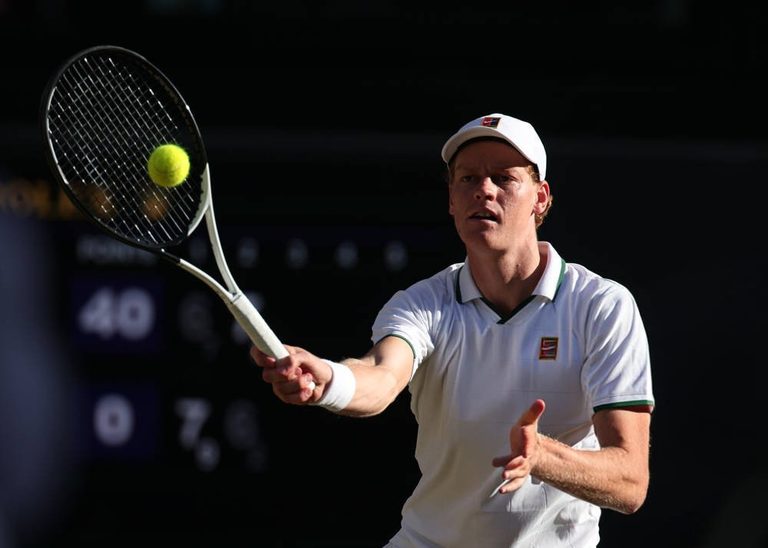
Growing unrest among the top tennis stars threatens to undermine the prestige of the Wimbledon tournament. Ben Shelton, one of the rising figures on the ATP circuit, has come forward to explain the reasons behind the planned protest by players, emphasizing that “it’s not just about the money,” at a time when tensions between athletes and the organizers of the Grand Slams are at an all-time high.
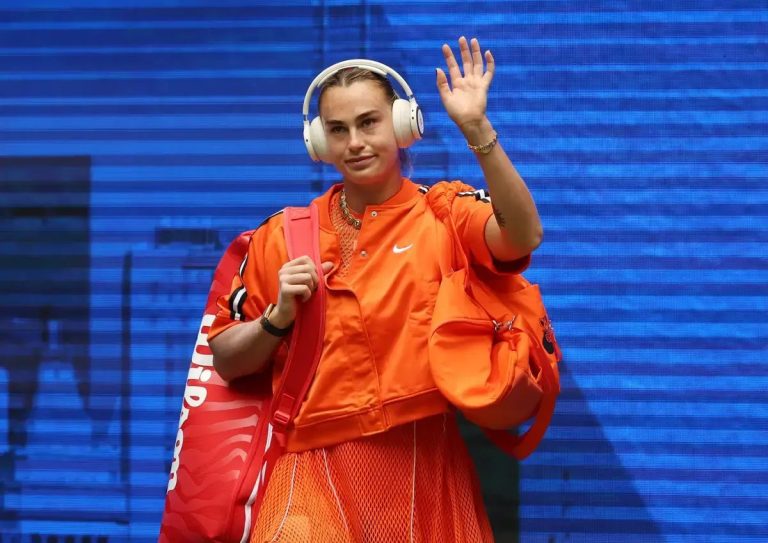
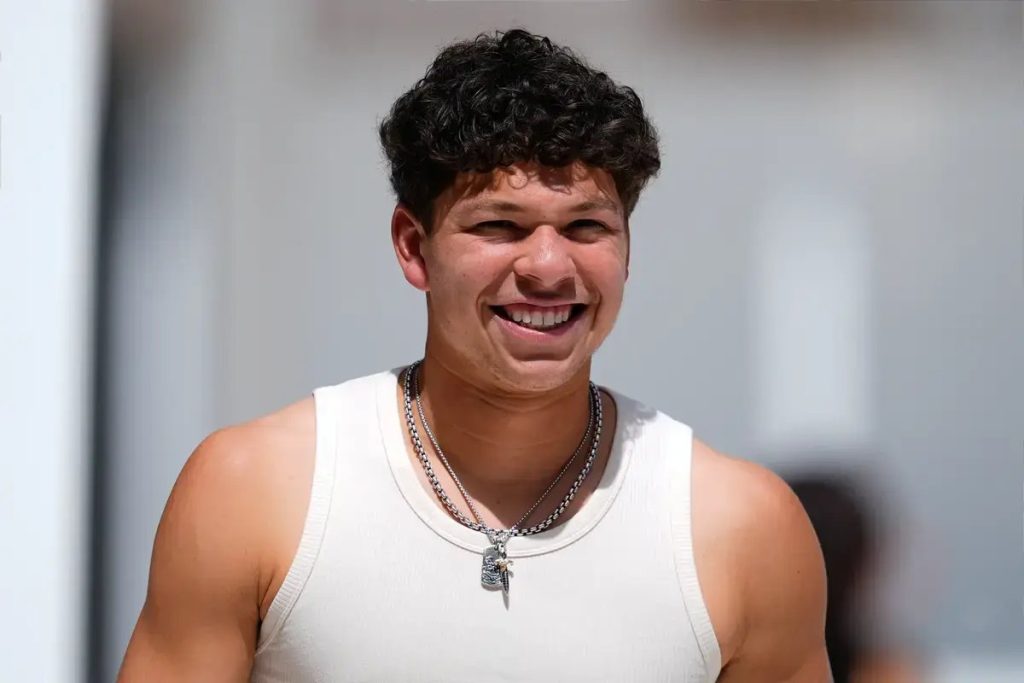
The protests have gained momentum since the French Open, where names like Aryna Sabalenka, Coco Gauff, and Alexander Zverev limited their media interviews to just 15 minutes, in a clear demonstration of discontent with the percentage of prize money awarded to players. Now, during the first week of Wimbledon, the restrictions have also extended to media outlets holding broadcasting rights, broadening the scope of the protest. Players are demanding at least 16% of the total tournament revenues, after Roland Garros offered them only 14%, a proposal that was promptly rejected. Wimbledon increased the total prize money by 20%, a historic rise, but it still only represents 14.4% of the event’s revenues, falling short of the athletes’ demands.

THE 2026 WORLD CUP IS EXPERIENCED WITH LEGO
This power struggle promises consequences for the future of the sport. For the players, the fight is not just about prize money, but about the need to have a voice in decisions that directly affect them, from profit distribution to the exhausting extension of the competitive calendar. The revolt is gaining unprecedented proportions, with veiled threats of a boycott of the Grand Slams if their demands are not taken seriously. This public contestation is placing unprecedented pressure on the historic organizations of tennis, forcing them to rethink the governance model and the distribution of the multimillion-dollar profits generated by each tournament.
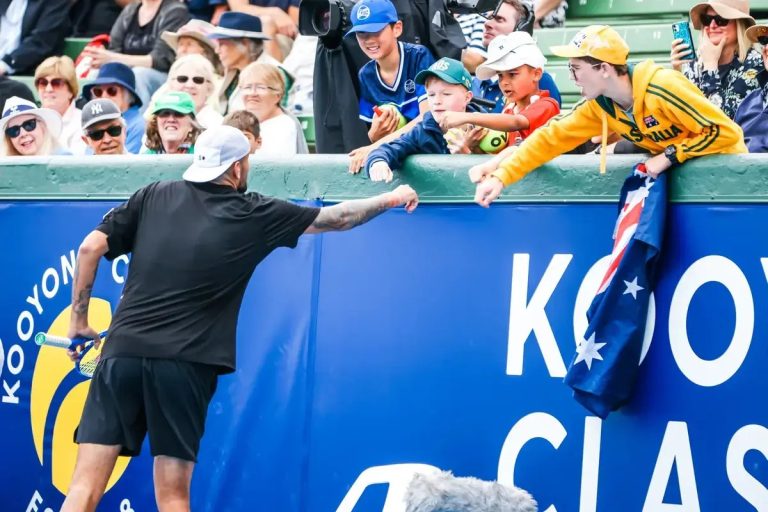
Shelton, after an exhibition match in London, clarified his position in statements to Puntodebreak: “This is done from the perspective of revenues, but also from the perspective of the players’ well-being. The US Open is basically a three-week event, 21 days, and there are things that concern the players. From the outside, many see this simply as a matter of money. It’s not just about money. For me, it’s more about other decisions that are made without the input of the players, about really having a players’ advisor, so to speak, at the Grand Slams, and that player being able to have a say.”
The Wimbledon organization reacted immediately, issuing a firm statement on June 25, expressing “disappointment” at the continued protest from the players, highlighting the record increase in prize money and efforts to create better conditions at the All England Club. Despite these improvements, the athletes remain steadfast and maintain pressure, insisting that the increase in prize money does not resolve the structural issue of lack of representation and active participation in fundamental decisions.
Another point of friction raised by Shelton relates to the increasingly overloaded competitive calendar. The American finds it “disappointing” to witness the proliferation of non-Grand Slam tournaments lasting 12 days. “I fully support the players, obviously. A very important aspect is having a voice in the decisions that truly affect our lives, such as the number of days tournaments last, whether an extra day is added, and what the implications of that are. I find these 12-day events exhausting,” Shelton confessed, thus reinforcing the need to rethink the current model of the circuit.
On the sporting front, Shelton arrives at Wimbledon as one of the favorites, following his victory at the Stuttgart Open and his appearance in the quarter-finals of the Terra Wortmann Open. Ranked in the top 10 of the world rankings, the young American is in great form and promises to be a key player, both on and off the courts, in this edition of the tournament.
The next chapter of this conflict could define the future of professional tennis. If the organizers of the Grand Slams do not open up space for serious negotiations and for the direct participation of players in key decisions, the risk of boycotts and an open split has never been closer. With the eyes of the world on Wimbledon, the pressure is mounting for deep reforms and a new era of dialogue between athletes and officials. The outcome of this dispute could forever alter the balance of power in world tennis, raising the bar for player demands and redefining the rules of the game.
NOW YOU CAN FOLLOW THE WORLD CUP WITH ALL THE INFORMATION – HERE
Discover more from Apito Final
Subscribe to get the latest posts sent to your email.