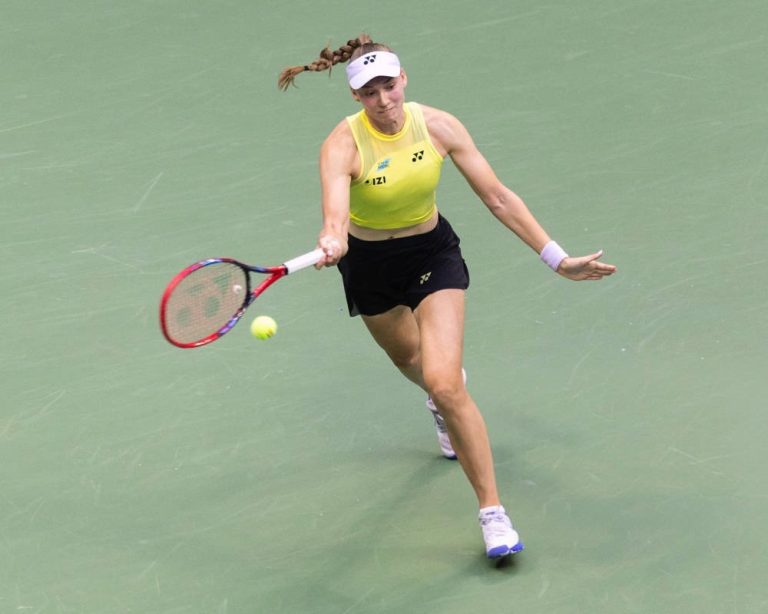
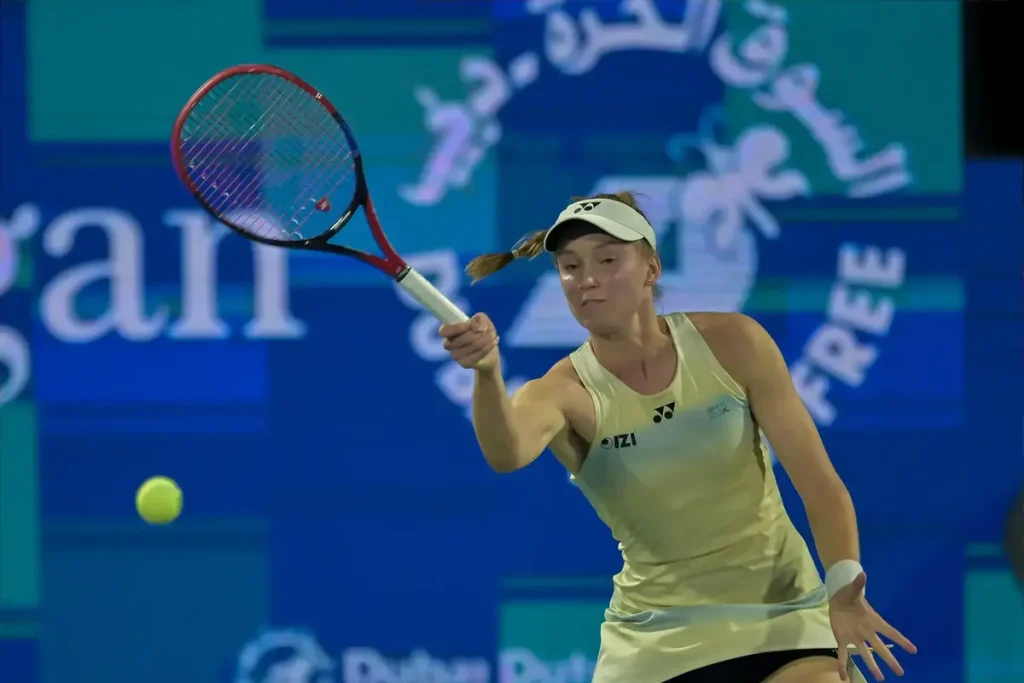
Elena Rybakina, one of the prominent figures in women’s tennis and the current Australian Open champion, did not hide her frustration after being excluded from the newly formed WTA Architecture Council, led by fellow player Jessica Pegula. This council aims to rethink the tour calendar, a topic Rybakina has emphasized due to its exhausting demands and the impact it has on the physical and mental health of athletes. In a press conference during the Indian Wells Open, the Kazakh player did not hold back in criticizing the lack of communication regarding the new initiative.
“It is important not just to create a new group of people. It is crucial to listen to the players. Honestly, I have no idea what is happening with these decisions,” Rybakina stated, revealing clear dissatisfaction with a process that reflects a lack of transparency. The champion acknowledged that changes are being discussed but lamented the absence of direct dialogue: “Personally, no one has come to ask for my opinion. We can talk about it in press conferences, but I don’t know what will happen,” she concluded, emphasizing her feelings of exclusion.
The current WTA schedule, already overloaded, forces many players to skip tournaments to avoid injuries or to withdraw during matches, as happened with Rybakina at the Dubai Tennis Championships, where she abandoned a match due to physical discomfort. This incident highlighted the intense pressure that athletes face, leading many to question the effectiveness of the new council and its ability to provide a more balanced and less grueling calendar.
Jessica Pegula, the new president of the council, defended the need for a schedule that allows for more breaks between tournaments. “I know the calendar is very tough and it’s not easy,” Pegula said. “I think that at certain times of the year, if you have some good results, some weeks unfortunately become a sacrifice if you think long-term.” The attempt to create space for better recovery for players is a step forward, but Rybakina and other athletes remain skeptical.
The debate surrounding the calendar shows no signs of slowing down. Despite the emergence of the Architecture Council, the WTA announced new tournaments, such as the Memphis Classic, which will replace the Cleveland tournament and take place in July. This event, which will follow the standard WTA 250 format, reflects an expanding schedule, even as the number of withdrawals among players, such as the 23 withdrawals during the Dubai tournament, continues to rise, highlighting the burden that the competitive load places on them.
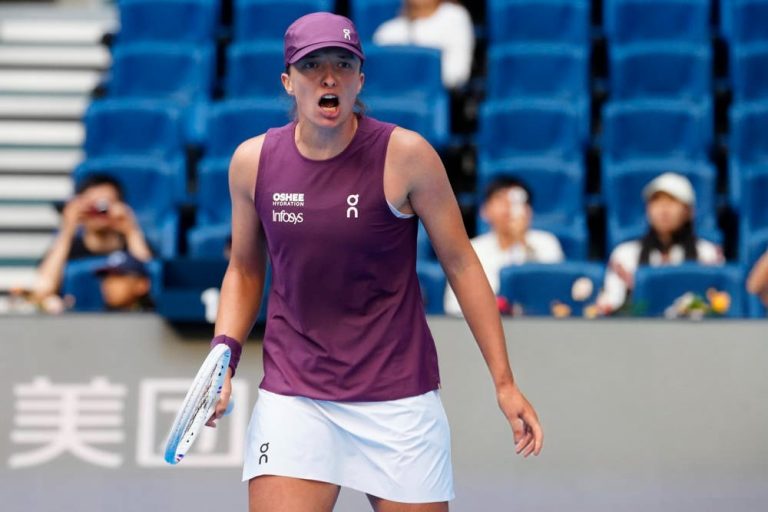
Pressure on the players is palpable, with figures like Aryna Sabalenka and Iga Swiatek raising their voices against the “insane” calendar. Sabalenka, who recently withdrew due to an injury, emphasized the urgent need for proper workload management.
Meanwhile, Rybakina continues to question the effectiveness of a council that, without direct consultation with the players, may not be able to implement the necessary changes. The lingering doubt is: will this council truly manage to alter the calendar without taking into account the concerns and opinions of the athletes it comprises? The answer to this question could define the future of women’s tennis in the coming years.
Discover more from Apito Final
Subscribe to get the latest posts sent to your email.