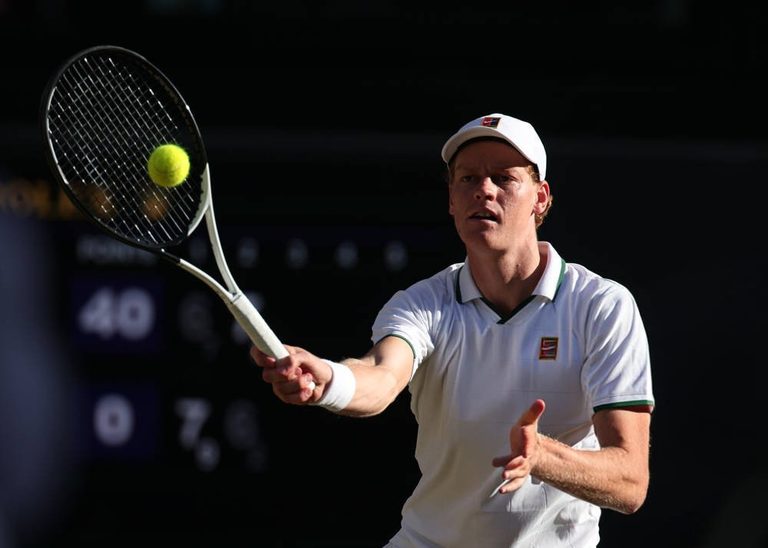
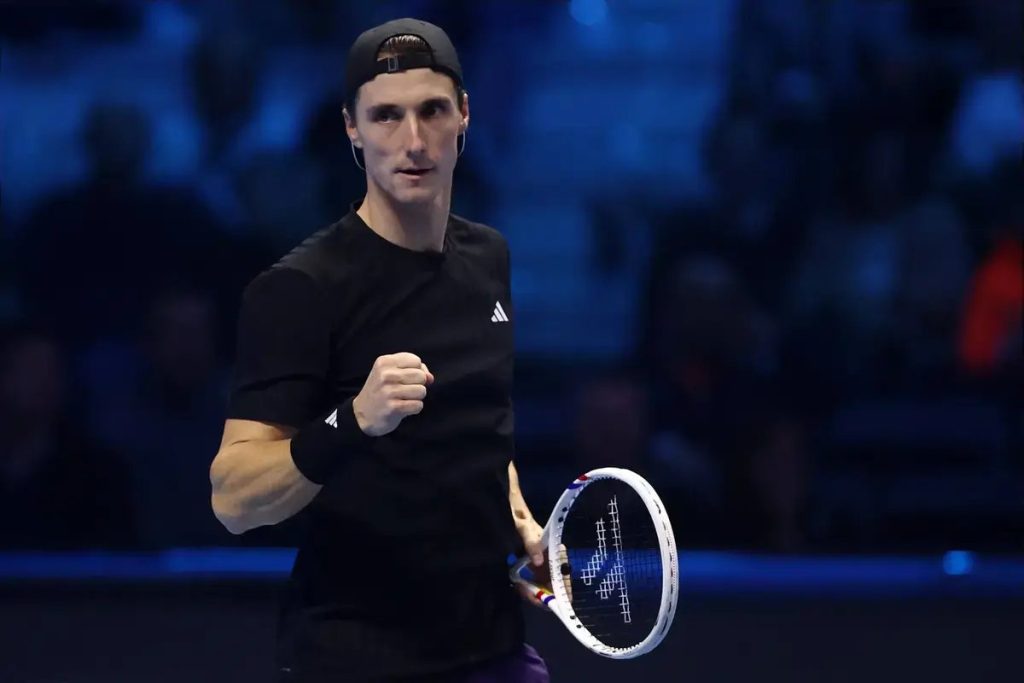
Joe Salisbury, a name that resonates among the greats of tennis, is back! After a forced hiatus due to mental health issues, the six-time Grand Slam champion returns to competition, this time alongside the talented Francisco Cabral. What initially seemed like an end for the Brit may actually mark the beginning of a new era. Salisbury’s return promises not only to revitalize his career but also to bring crucial issues about mental health in sports to the forefront.
Salisbury is no stranger to the game. A former world number one in doubles, he has won two ATP Finals titles and three Masters 1000 trophies. However, his journey in recent years has been marked by personal challenges. Since late 2025, the 33-year-old player stepped away from the circuit due to an internal struggle with anxiety. In his own words, he described how these feelings demotivated him and affected his desire to compete. “I felt sick to my stomach and struggled to sleep and eat properly,” Salisbury revealed, highlighting the depth of his emotional battle.
The partnership between Salisbury and Cabral comes after Cabral’s split from Lucas Miedler, which lasted just a year. Currently ranked 21st in the doubles ranking, Cabral is eager to embrace this new chapter alongside a veteran who has triumphed on multiple occasions. “It’s a new beginning for me,” Cabral commented, visibly excited about the experience Salisbury brings to the duo.
The return of Salisbury to the circuit is not only a testament to personal resilience but also a reflection of a broader reality in sports. Mental health struggles have been a recurring theme, with stars like Naomi Osaka and Emil Ruusuvuori also speaking openly about their battles. Osaka, in particular, highlighted the long periods of depression that led her to step away from the sport. Ruusuvuori, after a six-month break, acknowledged the need to balance work and recovery, stating that “the balance wasn’t right.”
The experiences of other athletes, such as Rafael Nadal and Andrey Rublev, also underscore the need for open dialogue about mental health in sports. Nadal, after a career filled with injuries, revealed that he considered a complete withdrawal from tennis to take care of his mind. “There were months when I thought about stopping completely,” confessed the Spaniard, emphasizing that even the best face their demons.
Rublev, for his part, recalled a particularly difficult moment after a humiliating defeat at Wimbledon, where he felt lost. He shared that medication was not the solution to his problems, and that the support of people like Marat Safin was crucial for his recovery.
Now, with the Monte-Carlo tournament on the horizon, fans are eagerly waiting to see how Joe Salisbury will reinvent himself. The challenge is great, but the hope is greater. His return could not only inspire other athletes to face their struggles but also spark a necessary conversation about mental well-being in sports. What is at stake now is more than just a simple comeback; it is an opportunity to promote mental health as a priority in the competitive world of tennis.
Discover more from Apito Final
Subscribe to get the latest posts sent to your email.