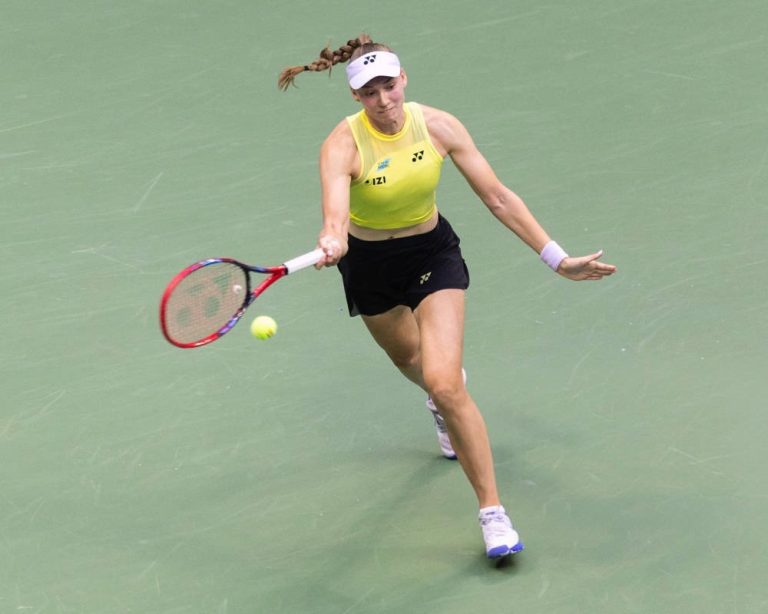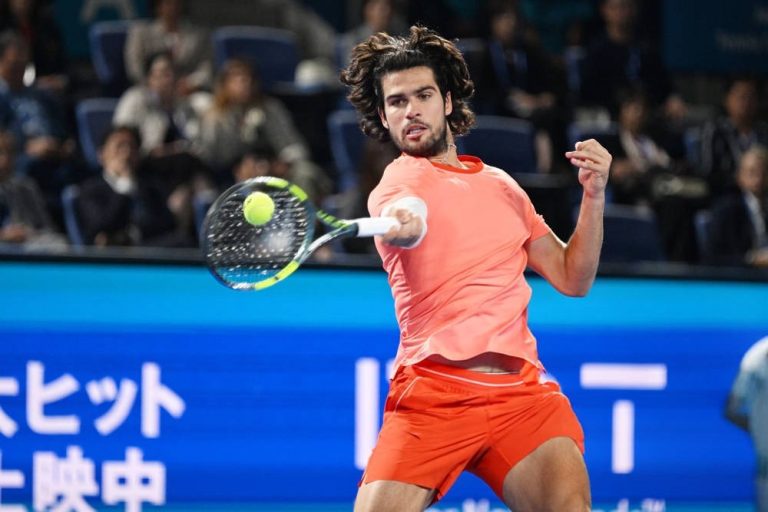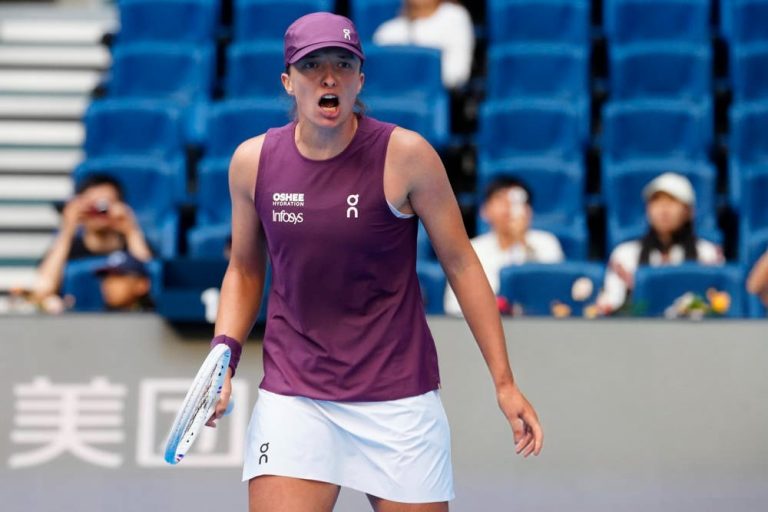

On Tuesday night, the Indian Wells Open experienced a troubling moment that shook the tennis fan experience. The much-anticipated match between Victoria Mboko and Amanda Anisimova ended quickly, with Mboko dominating the competition in just 73 minutes, winning 6-4, 6-1. However, what stood out was not only the performance of the players but also the alarming number of empty seats in the stands of Stadium 2, a situation that left many perplexed and furious.
Tournament organizers, aware of the controversy, issued a statement on March 10, stating: “As the tournament continues to grow, we are always evaluating opportunities to improve our scheduling and operations, including ticket offerings and the fan experience.” This statement followed significant changes to ticketing policies that, according to the organizers, were implemented to enhance the fan experience and manage the event’s growing popularity.
The changes in ticketing, which transformed the sale of upper-level seats in Stadium 2 from general admission to reserved tickets, were not well received by tennis fans. Previously, a general admission pass, which cost around $60, allowed access to several courts, including the most popular ones. Now, to watch a match in Stadium 2, fans are required to purchase a reserved ticket, which not only increases the cost of the experience but also limits the freedom of movement that many appreciated.
However, price is not the only factor that has led to dissatisfaction. The real issue seems to be the reluctance of fans. Many who purchased tickets for Stadium 2 do not stay for the entire day, which can extend up to 12 hours. Compared to general pass holders, who tend to move between different courts, the new tickets have not managed to guarantee the same attendance during the evening sessions.
Nonetheless, the tournament still attracted large crowds, even setting a record of nearly 59,000 spectators in a single day. While the general areas are often full, the issue of empty seats in Stadium 2 is not exclusive to WTA matches; several ATP encounters have also suffered from the same problem.
For example, before the match between Mboko and Anisimova, Daniil Medvedev, the former world number one, had a match against Sebastian Baez that, despite expectations, had a disheartening atmosphere with many empty seats. Similarly, Taylor Fritz, the number one American, saw many unoccupied seats during an exciting three-set battle against Jacob Fearnley.
The situation worsened during the night session when the match between Anisimova and Mboko was not placed in Stadium 1, which was hosting a game between Joao Fonseca and Jannik Sinner, followed by Alexandra Eala against Linda Noskova. This scheduling decision did not sit well with fans, who felt that the rising popularity of certain players was being prioritized at the expense of competitive balance.
The debate over commercialization versus competitive integrity quickly gained traction on social media, with many supporters questioning the tournament organizers’ priorities. As Indian Wells progresses, organizers hope to find a solution to the issues at Stadium 2 and rebalance the ticketing approach, aiming to attract more fans and ensure that the stands are full during matches. The search for the ideal solution continues, but pressure on the organizers is high, and fans are hoping for significant changes in future editions of the tournament.
Discover more from Apito Final
Subscribe to get the latest posts sent to your email.