The stars of world tennis are in full revolt against the Grand Slams, sparking an intense debate about the distribution of revenues that, according to the athletes, is scandalously lower than that of other tournaments on the circuit. This struggle, which has been ongoing for over a year, has gained new momentum on social media, where players’ voices have become louder and more assertive.
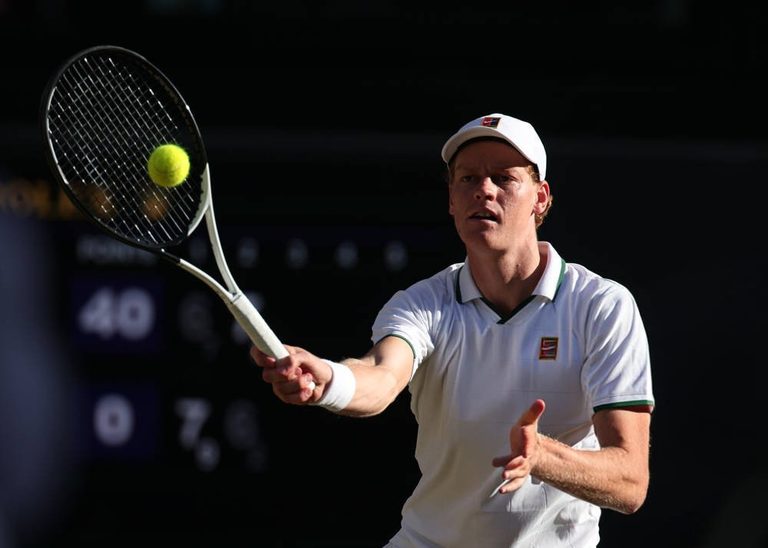
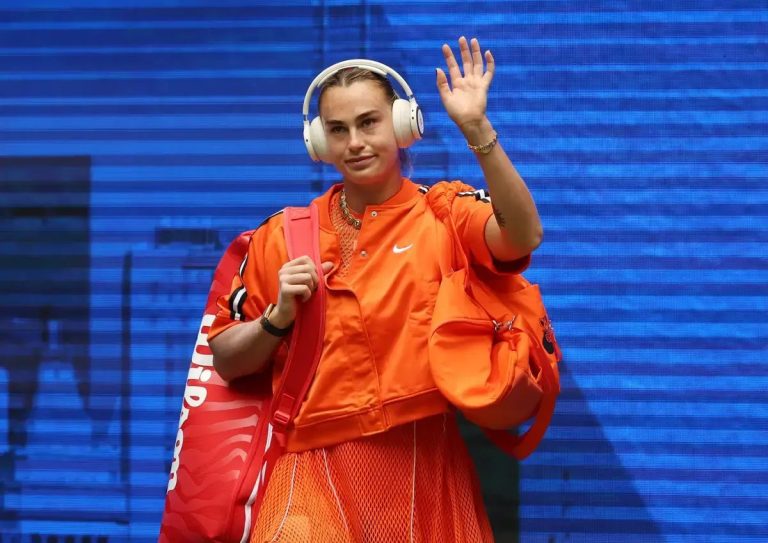
Among the key figures in this battle are heavyweights such as Coco Gauff, Jannik Sinner, Ben Shelton, Aryna Sabalenka, and Daniil Medvedev. The central issue provoking this uprising is the percentage of revenues from the four Grand Slam tournaments, which currently ranges from 12% to 17%. This figure is negligible, considering that these events together generate over 1.3 billion euros annually. It is a true scandal that players receive such a small fraction of the revenues they themselves help to create.
Recently, the controversy reignited when a social media account called SportsBall published an analysis that detailed the disparity in financial distributions. This post quickly went viral and was widely commented on by various stars of the circuit. Jannik Sinner and Ben Shelton shared the content, while Coco Gauff, Bianca Andreescu, Sabalenka, and Medvedev expressed their support through incisive comments. Gabriela Dabrowski, a doubles specialist, highlighted the importance of the information: “An extremely important chart that clarifies why players of all rankings have been asking for better prizes and partnerships with Grand Slam tournaments for years,” she stated.
The difference in prize money distribution policies between the Grand Slams and the ATP and WTA tours is alarming. While the ATP and WTA ensure that athletes receive between 22% and 26% of their revenues, the four Majors remain stagnant below 17%. To illustrate this disparity, in 2025, the total prizes distributed by the Grand Slams exceeded 246 million euros, but this is a drop in the ocean compared to total revenues of over 1.3 billion euros. For example, the US Open distributed a record amount of 73 million euros in prizes, but its estimated revenues were around 484 million – resulting in a meager share of just 15% for the players.
Comparisons with North American sports leagues, such as the NBA and the NFL, further highlight the injustice. These leagues guarantee about 50% of their revenues to athletes, while in tennis, figures like Novak Djokovic, who led the professional players’ union until January 2026, have already described the revenue sharing as “much lower.”
The formalization of the protest began in March 2025, when a group of elite players, including Gauff, Sinner, Iga Swiątek, Jessica Pegula, and Alexander Zverev, sent a letter to the organizers of the four Grand Slam tournaments. In the letter, they demanded an immediate increase in the revenue share to 16% and aimed to reach 22% by 2030, in addition to more investments in social programs and greater decision-making power for the athletes. Unfortunately, subsequent meetings did not result in concrete progress. In October 2025, Sinner expressed his frustration to The Guardian, stating: “We had good conversations with Roland Garros and Wimbledon, but it was disappointing when they said they could not follow up on our proposals until other issues were resolved. Nothing prevents the Grand Slam organizers from addressing our concerns right now.”
As this battle continues, the landscape of tennis may change drastically, and the players are determined to fight for a fairer distribution of revenues. The voices echoing on social media are just the beginning of a revolution that could alter the course of the sport. Pressure is mounting, and the Grand Slams will have to heed the demands of these athletes who, after all, are the true reason for the success and popularity of tennis worldwide.
This article first appeared on Apito Final.
Discover more from Apito Final
Subscribe to get the latest posts sent to your email.