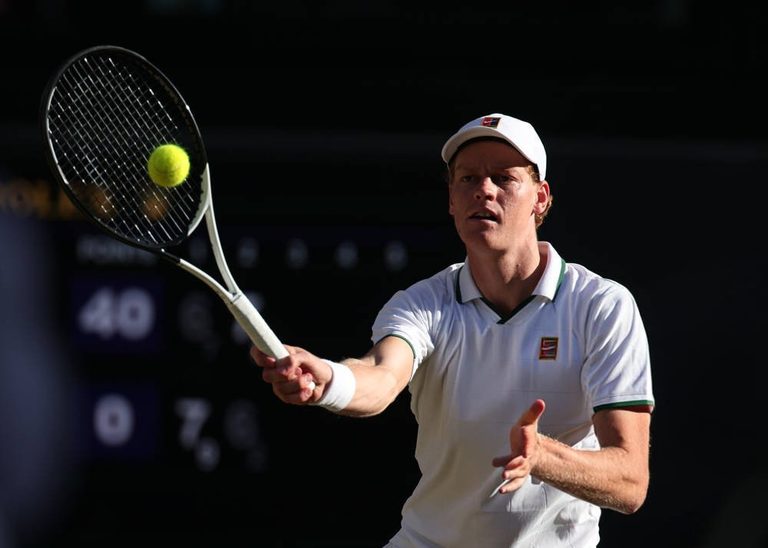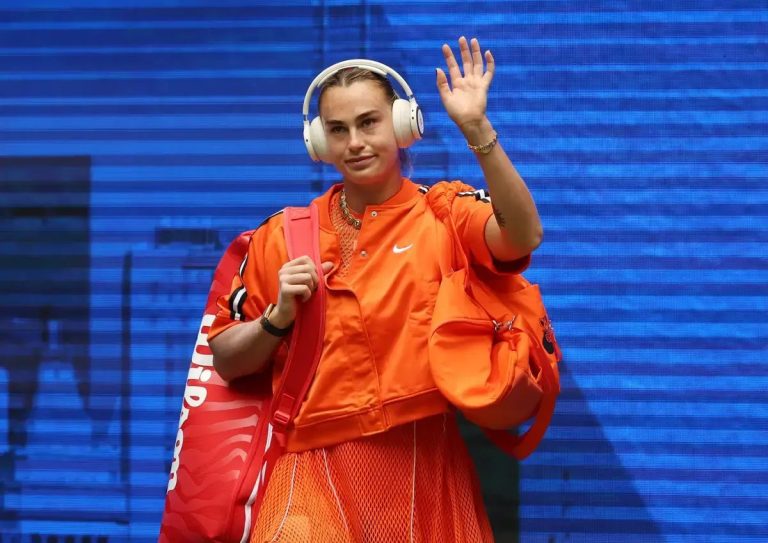
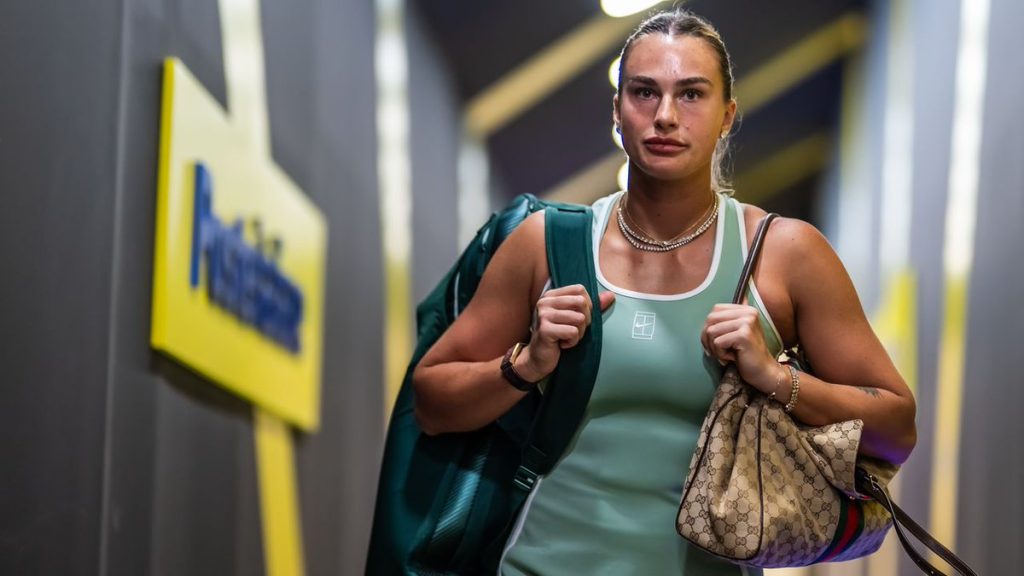
In the world of tennis, where style and performance intertwine, controversy has once again flared up around the WTA and its controversial decisions. The world number one, Aryna Sabalenka, recently faced criticism from the organization for displaying a Gucci bag during a tournament, sparking a heated debate about rules and privileges on the women’s circuit. However, the WTA’s response appears disconnected and contradictory, especially when compared to the lenient stance taken towards tennis player Jannik Sinner, who also showcases luxury products without any reprimand.
The Italian brand Gucci, synonymous with luxury and sophistication, has been consolidating a close relationship with the biggest stars in world tennis, including the current number ones in the ATP and WTA rankings. The collaboration between Gucci and these athletes is not new, but the WTA surprised fans and experts by publicly questioning Sabalenka’s choice, in a move that many consider excessive and unfair.
“How is this anything new?” the tennis community asks, highlighting the WTA’s inconsistency. While the organization seems focused on controlling the accessories of the Belarusian champion, it ignores the indifference towards Sinner, who also displays Gucci products without facing any reprimand. This double standard raises questions about the true motivation behind this controversy, suggesting possible discrimination or a lack of uniform criteria in the enforcement of the rules.
Aryna Sabalenka, known for her bold style and strong personality both on and off the court, is now at the center of a discussion that goes beyond the mere use of a luxury bag. The WTA is being accused of enforcing disproportionate rigor and creating an environment of unnecessary pressure on athletes, while allowing other players to maintain a much freer stance. This situation proves detrimental not only to the image of the organization but also to the credibility of the women’s circuit.
In summary, the controversy surrounding Sabalenka’s Gucci bag reflects the existing tensions in the world of professional tennis, where the balance between fashion, sponsorship, and sports regulations is becoming increasingly difficult to manage. The WTA’s stance will undoubtedly face renewed criticism and will require deep reflection to ensure fairness and equality among all players, regardless of gender. In the meantime, Sabalenka remains steadfast and focused on her career, demonstrating that in tennis, talent and determination must prevail over any ancillary controversy.
This article first appeared on [Apito Final](https://apitofinal.pt/).
Discover more from Apito Final
Subscribe to get the latest posts sent to your email.