
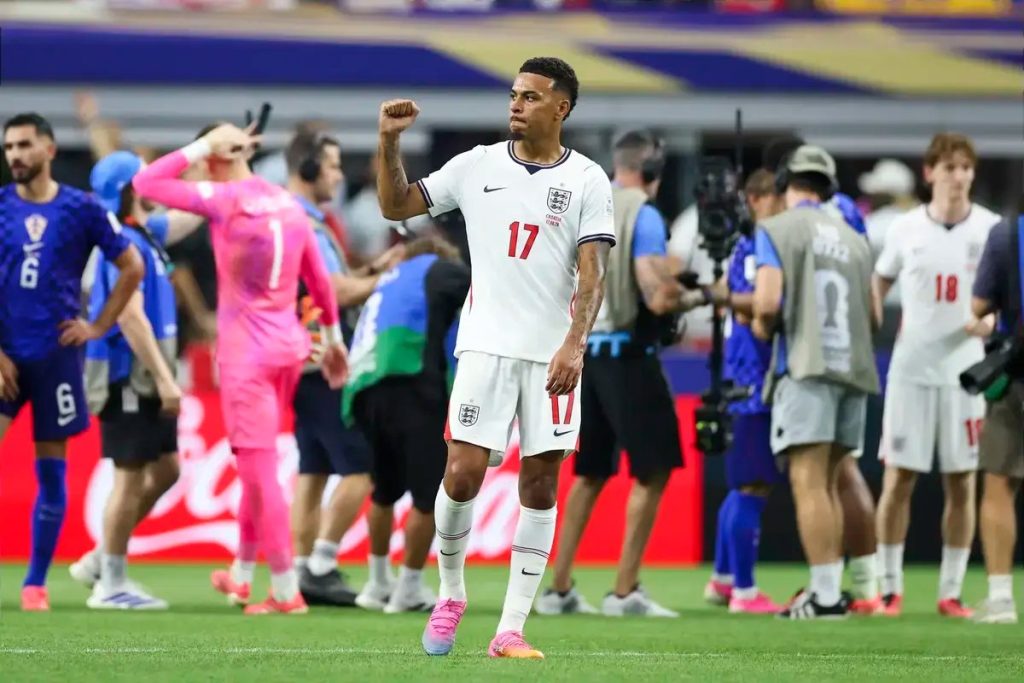
Argentina and England have established themselves as the most organized and formidable teams following the opening round of the 2026 World Cup, making it clear that DNA, identity, and solid routines remain the secret to dominating international football at the highest level. In a competition where pressure and talent abound, it was these two teams that showcased remarkable collective effort, positioning themselves as serious contenders for the title.
At the start of the World Cup, Argentina under Lionel Scaloni and England managed by Thomas Tuchel stood out for the way they controlled their matches, both defensively and offensively. Argentina, lining up in a 1-4-4-2 diamond formation, demonstrated an impressive ability to dominate the central corridor, marking opponents effectively and creating space for Lionel Messi to exploit the gaps, all while maintaining an exemplary collective commitment in reaction to losing the ball. Meanwhile, England, under Tuchel’s guidance, presented a 1-4-2-3-1 formation with Harry Kane as a focal point, focusing on ball possession, aggressive recovery, and effective defensive transitions, factors that allowed them to defeat Croatia in one of the most competitive matches of the tournament so far.

THE 2026 WORLD CUP IS EXPERIENCED WITH LEGO
What makes these performances particularly relevant is that both teams demonstrate a clear and deeply rooted tactical identity. Scaloni, the winner of the last World Cup, not only maintained the aura and tactical leadership that allowed Argentina to secure the trophy, but also reinforced the group’s solidarity and offensive versatility. England, for its part, quickly assimilated Tuchel’s philosophy, despite the limited time the German coach had with the squad, showing maturity and an unusual collective sense for a debut in major competitions.
The importance of these routines and this identity goes far beyond immediate results. In short tournaments like the World Cup, where mistakes are costly and the pressure is immense, having automatic mechanisms and a well-assimilated game plan can be the difference between success and failure. Argentina’s dominance in the central corridor, combined with Messi’s ability to appear in decisive moments, allows the South Americans to control the tempo of the game and define attacks intelligently. “Our strength lies in the collective, in the way the entire team reacts to losing the ball and thinks about the game with the ball,” explained Lionel Scaloni at the end of the match, reinforcing the idea that it is not enough to rely on Messi’s genius: “De Paul, Enzo Fernández, Mac Allister, Almada, and Lautaro Martinez also take charge of the game. They also think about the game. They also seek to define the plays. They may not have Messi’s messianic gift, but they are an active part of the albiceleste’s offensive moment.”
On the English side, Thomas Tuchel made it clear what he intended from the moment he was announced as coach: “We selected the squad based on a clear idea: to be protagonists through control and dominance of the game with the ball, to be aggressive in reaction to losing the ball and in defensive transition.” After the victory over Croatia, Tuchel emphasized: “We wanted to have the ball, we knew how to have the ball, and we won in one of the most fiercely contested matches of this World Cup so far.” Harry Kane, a key piece of the English system, highlighted after the final whistle: “What matters is the collective, respecting everyone’s characteristics and working for the team’s success.”
Looking ahead to the upcoming matches, all indications suggest that Argentina and England will continue to be two targets to take down. Their routines, well-defined identity, and tactical adaptability make them not only favorites but also global benchmarks for how to build a winning team. The other teams will now have to raise their game, seek tactical answers, and reinvent strategies if they want to stop the momentum of these two powerhouses. With the second round approaching, anticipation is growing: will anyone be able to shake the tactical and mental dominance of Argentina and England, or are we witnessing the start of an impeccable journey towards the final? One thing is certain: DNA, identity, and routines have never been so decisive in a World Cup.
NOW YOU CAN FOLLOW THE WORLD CUP WITH ALL THE INFORMATION – HERE
Discover more from Apito Final
Subscribe to get the latest posts sent to your email.