Benfica faces explosive dilemma: José Mourinho could become Rui Costa’s and the club’s biggest headache
In one of the most surprising chapters of recent Portuguese football history, José Mourinho’s arrival at Benfica in September 2000 was met with a mix of astonishment, skepticism, and curiosity. A young coach with no impressive track record was landing at Luz under a cloud of doubt. Vale e Azevedo was making a risky bet, but Mourinho was already showing signs that he would not be an ordinary coach.
At the time, journalists and fans were struck by Mourinho’s attitude: an almost arrogant self-confidence that, against all expectations, fit perfectly with his persona. His press conferences did not go unnoticed — speeches filled with substance, mental demands on players, and sharp criticisms, such as when he reprimanded Sabry for wasting time tying his shoelaces before entering the field as a substitute. His demeanor provoked polarized reactions, but it won hearts.
Despite the firm speech, the results were slow to come: a defeat at Bessa against Boavista, an early elimination in the UEFA Cup after a draw with modest Halmstads from Sweden. However, the emphatic 3-0 victory against Sporting, in a game that saw the team shine, changed everything. Mourinho pressured Manuel Vilarinho, the new president, to renew his contract, despite Vilarinho initially preferring Toni. The young coach pushed the limits and, faced with indecision, walked away. The management lost control of the situation, and outraged fans protested with bottles of wine in the press room, demanding Mourinho’s retention.
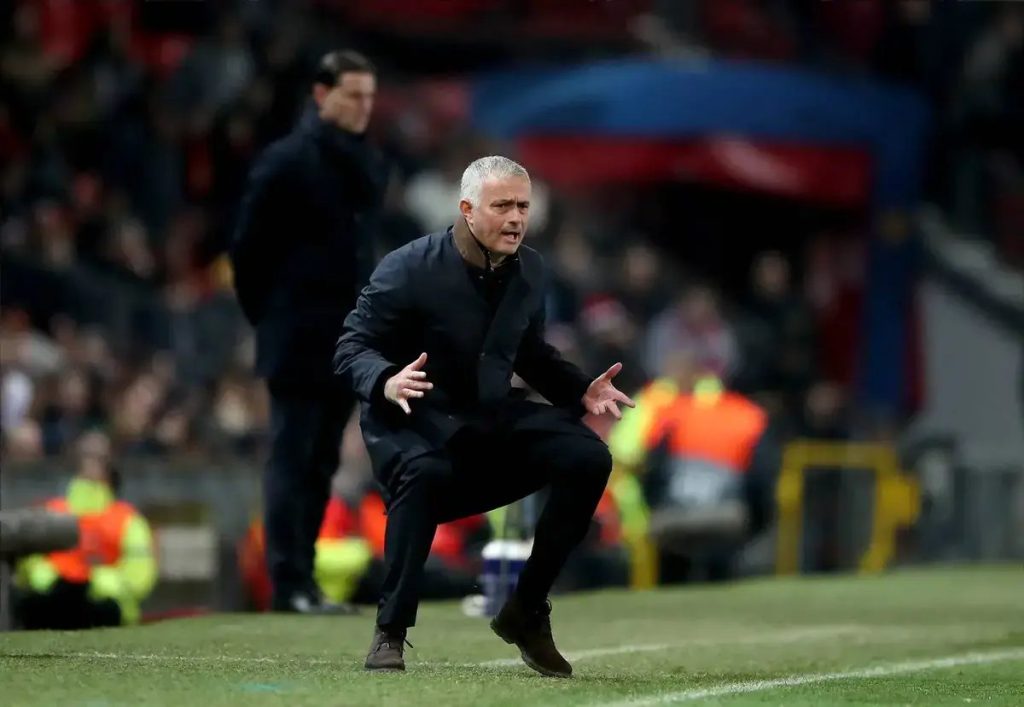
This episode deeply marked Mourinho, who was left with a bitter taste and promised a return to complete a mission that remained unfulfilled. And today, more than 25 years later, the coach is back at Benfica with the same hunger and ambition, having already defeated Sporting again, showing that his project can transform the team.
However, history threatens to repeat itself. Mourinho desires a long contract, to develop a solid and consistent work plan, moving from paper to the pitch. He wants to hear from president Rui Costa not a “non-issue” or vague phrases, but rather a clear commitment: to acknowledge that Mourinho is the best coach Benfica could have and to guarantee the conditions for him to be happy and remain for many years.
Rui Costa’s hesitation could prove costly. In 2000, Vilarinho’s indecision deprived Benfica of a promising future; in 2026, silence could mean Mourinho’s departure, leaving the club at the mercy of an uncertain fate. For someone of Mourinho’s stature, Benfica must offer a clear “yes” or “no” — without half-measures, without wordplay. The same applies to the coach, who deserves a definitive answer.
The situation is tense: Mourinho returned to settle a debt with the club, but time cannot be wasted on ambiguities. Real Madrid, according to rumors, may already be trying to entice the coach, who, for his part, is showing discomfort with the doubts surrounding his commitment to Luz.
What is at stake is a repetition of the past: will Rui Costa be able to avoid Vilarinho’s mistake? Or will Benfica once again become the biggest thorn in Mourinho’s side? The coach, who wanted to return to buy time and achieve success, now risks becoming yet another victim of the impatience clock. Will the “Special One” once again be the “one who didn’t have time to be special” at Benfica? The outcome remains unwritten, but the urgency to decide is clear — the future of the club and Mourinho hangs by a thread.
This article first appeared on Apito Final.
Discover more from Apito Final
Subscribe to get the latest posts sent to your email.