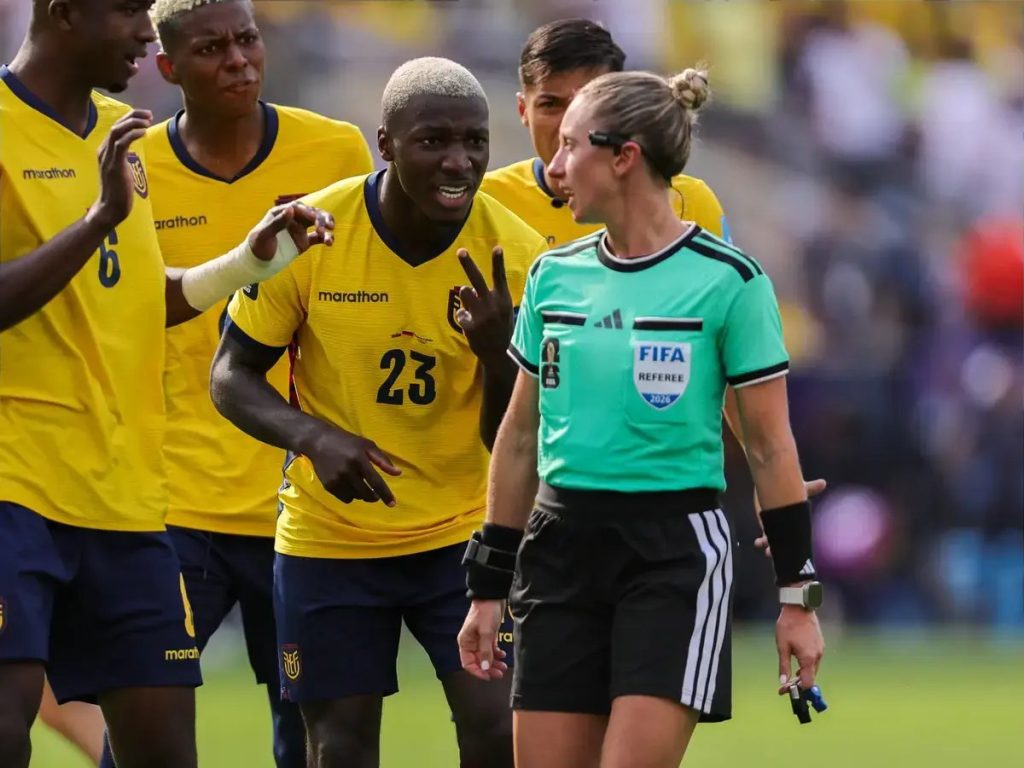
Scandals, unbelievable decisions, and referees lacking sufficient experience continue to tarnish the credibility of the World Cup, in a repetition that seems to have no end. Every four years, despite promises of professionalism and transparency, FIFA insists on appointing referees from footballing confederations that are underdeveloped, leaving fans to question whether the fairness of the game is being sacrificed in the name of political interests.
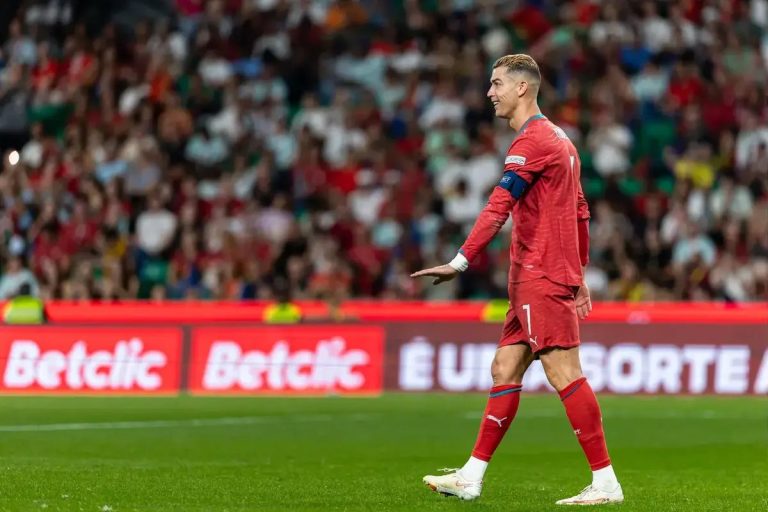
This year, once again, FIFA’s policies have overridden sporting logic: referees from all corners of the globe are called to take charge in the biggest stages of world football, many of them clearly unprepared for the pressure and demands of the tournament. The official argument is always the same — to foster motivation in less developed areas and encourage the emergence of new candidates for refereeing. However, the truth is that this strategy has resulted in glaring controversies, harming not only teams but also the image of the World Cup itself. Portugal has already felt this reality: in the match against Congo, a referee from Qatar was on the field, completely lost, unable to control the pace or even understand the dynamics of the game. In the second match, the situation worsened. The Moroccan appointed to officiate trembled in a frightening manner, failing to make clear decisions, and only VAR prevented an even greater disaster, overturning a goal from Uzbekistan after a clear foul on João Cancelo — so blatant that “even the astronauts who were in contact with Houston, where the match took place, must have seen it.”
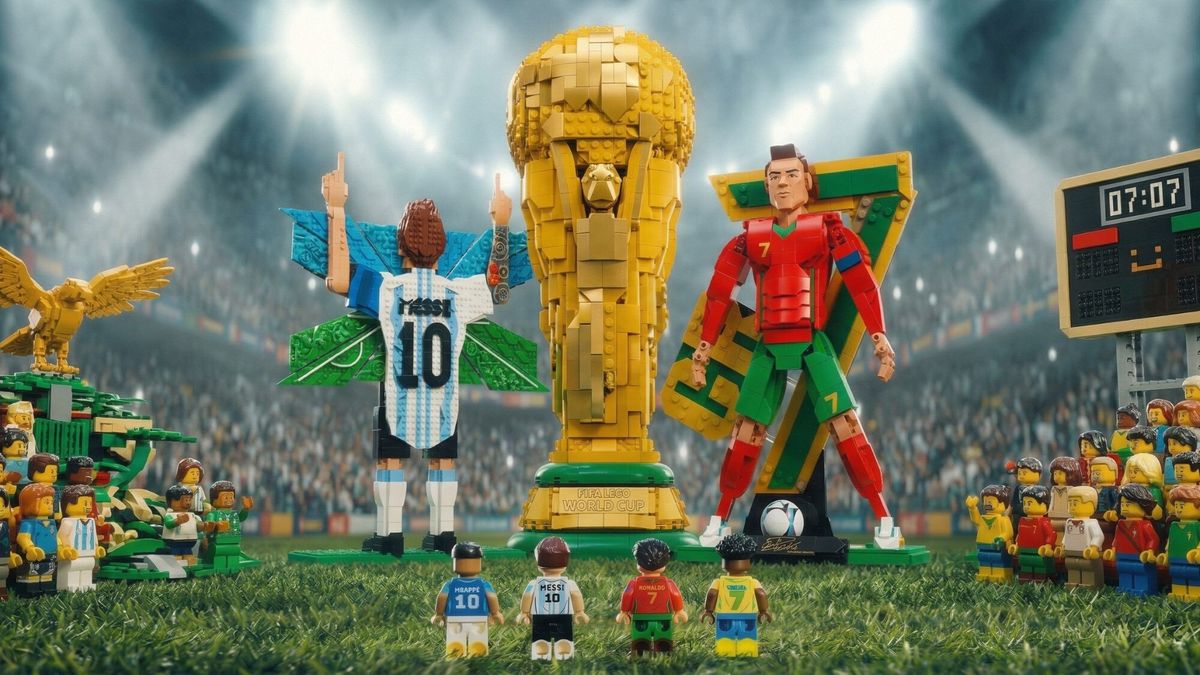
THE 2026 WORLD CUP IS EXPERIENCED WITH LEGO
The importance of these choices cannot be underestimated. A poor refereeing decision in a World Cup has a direct impact on rankings, reputations, and even the careers of players and coaches. Furthermore, it perpetuates the distrust of fans, who already view some controversial past decisions with skepticism. Recall the 2002 World Cup in South Korea and Japan, where scandalous officiating led to genuine police cases and forced FIFA to exercise more caution in subsequent tournaments. However, even the introduction of VAR has not managed to eradicate errors — it limits them, yes, but does not eliminate them, especially when the main referee is unsure how to interpret the protocol or hesitates under pressure.
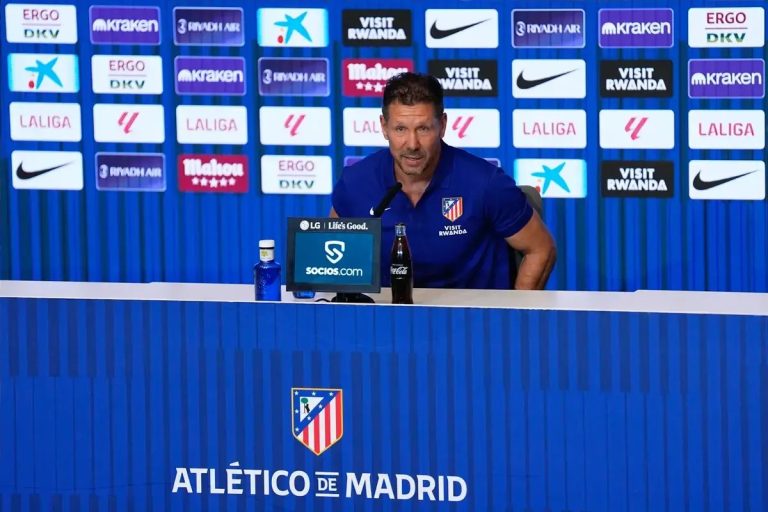
The Portuguese coach did not hide his displeasure after the second match, stating at a press conference: “It took technology to reverse what would have been Uzbekistan’s goal, after turning a blind eye to a foul on João Cancelo.” The captains of the national team also expressed perplexity regarding the referees’ criteria, confessing behind the scenes that “there are incidents that only those who do not want to see miss.” These reactions reflect the climate of frustration that prevails among those who work hard to reach the World Cup and find themselves hindered by decisions beyond their control.
In the next match, Portugal will face Colombia, with the whistle being handled by an Australian referee of Iranian descent, who has already refereed the final of the Rio de Janeiro Olympic Games in 2016. This will undoubtedly be the most demanding test for the national team in this group stage, but also a key moment to understand whether FIFA is truly committed to ensuring fairness and quality in officiating, or if it will continue to be held hostage by the political chess game that dominates the organization’s backstage. The pressure on the referee will be total, knowing that any slip-up could be fatal for the Portuguese aspirations.
Referees will continue to be one of the hot topics of this World Cup. The coming days will reveal whether FIFA can finally raise the quality standard and whether technology will be sufficient to correct human errors, or if we will continue to witness absurd decisions that leave fans, players, and coaches on the verge of a nervous breakdown. With the 2026 World Cup approaching and the memory of Eusébio still alive on the pitches of North America, Portuguese football demands respect and justice — both on and off the field.
NOW YOU CAN FOLLOW THE WORLD CUP WITH ALL THE INFORMATION – HERE
Discover more from Apito Final
Subscribe to get the latest posts sent to your email.