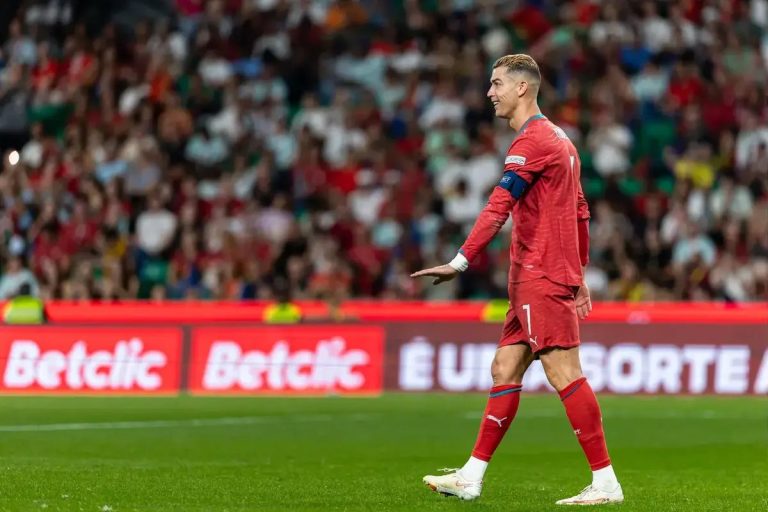
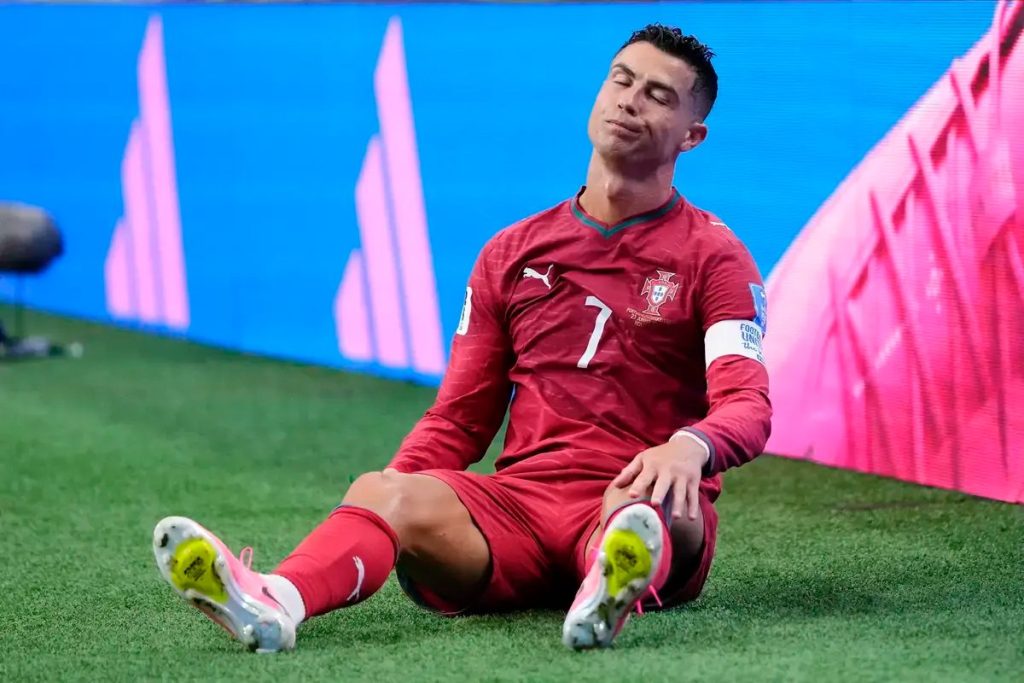
Cristiano Ronaldo has turned Portugal into a stage of extreme emotions, where the country either surrenders to absolute veneration or falls into fierce criticism of its greatest icon. There is no middle ground: Ronaldo’s name sparks storms of fury and banquets of flattery, in an emotional rollercoaster that reflects the profound influence of the captain on national identity and pride. Every goal, every gesture, every reaction of the forward is scrutinized to exhaustion, fueling a collective bipolarity that both exalts and destroys.
The facts are clear: Ronaldo, at 39 years old, continues to be the center of attention for the national team, even after the match against Uzbekistan, in which Portugal won 5-0 in a friendly held on European soil. The captain not only scored two goals but also took on the leading role once again, dispelling all those who predicted the end of his era. Nevertheless, the debate ignites: does the team depend too much on his genius? Should Roberto Martínez, the national coach, give him a rest against lower-caliber opponents, especially with more demanding matches on the horizon, such as the upcoming one against Colombia?
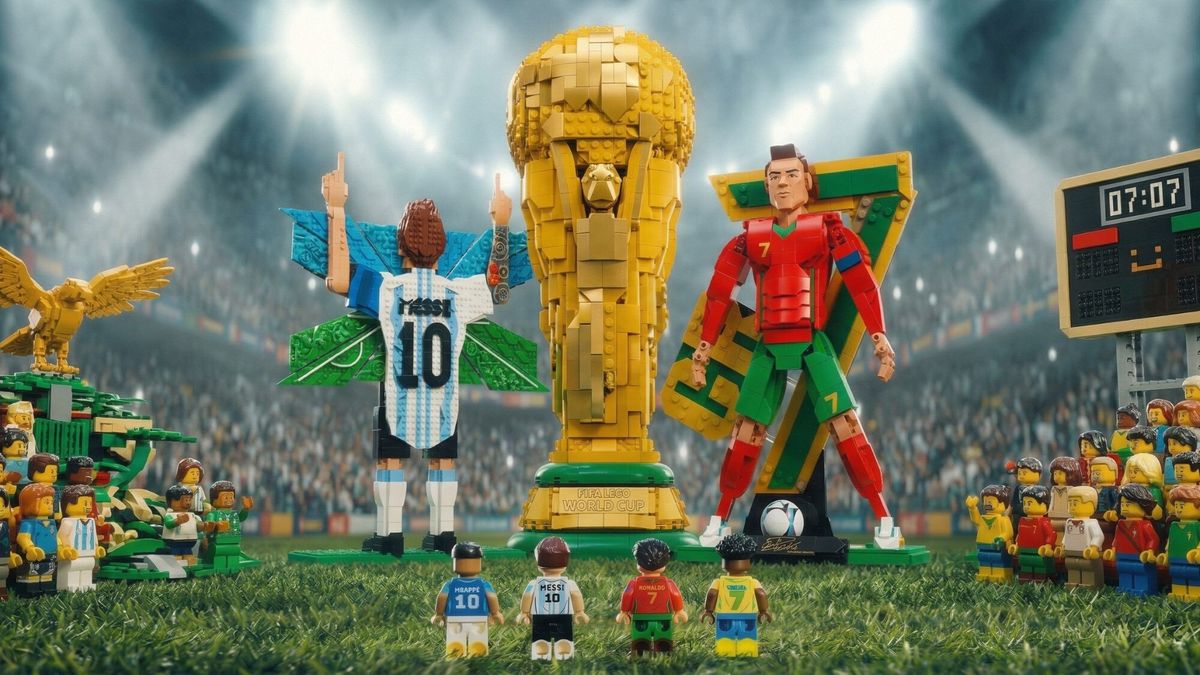
THE 2026 WORLD CUP IS EXPERIENCED WITH LEGO
This discussion is important because it reveals not only Ronaldo’s impact on the locker room and the stands, but also the challenge of managing a living legend without falling into the trap of dependency. The longevity of the number 7 shirt is largely due to his relentless mentality and ability to reinvent himself, factors that allow him to continue overcoming obstacles and defying time. However, the national obsession surrounding the captain can be toxic and undermine the balance of the team itself, which needs to find new dynamics and solutions beyond its biggest star.
After the match against Uzbekistan, Ronaldo reacted to the criticism, making it clear that he is not finished with football: “I am not dead to football,” said the forward, visibly motivated to prove his worth with every appearance. This statement, made in the aftermath of the game, highlights the combative spirit of the captain, who continues to feed off doubts and challenges to surpass himself. Nevertheless, many argue that his presence should be managed more cautiously, especially at a time when physical condition can become a decisive factor.
Coach Roberto Martínez, for his part, continues to place strong faith in Ronaldo, allowing him playing time even when the outcome has long been decided. This approach reveals, on one hand, the coach’s respect for the captain’s status, but also the difficulty in letting go of an unavoidable reference that overshadows everything around him in terms of popularity and resume. The decision to use Ronaldo for 180 consecutive minutes has been criticized by some, who point to the risks of unnecessary physical strain before more demanding challenges, such as the upcoming test against Colombia.
What follows is an unknown: Portugal is preparing to face opponents of a different caliber, and the question of managing Ronaldo will inevitably return to the forefront. Will Martínez be able to balance respect for the legend with the need to prepare for the future and protect the collective? Can the national team free itself from the shadow of its biggest star, or will it remain trapped in an emotional bipolarity that either idolizes him or crucifies him?
The impact of this news goes far beyond the pitch. The way Portugal deals with Ronaldo is a reflection of the country’s relationship with its idols: demanding, passionate, sometimes irrational, always intense. While the national team benefits from the genius of one of the greatest footballers in history, it risks sacrificing the future at the altar of past glory. The challenge is set: to find the balance between gratitude and ambition, between respect for the past and investment in the future. And, above all, to know when it is time to celebrate and when it is time to change.
NOW YOU CAN FOLLOW THE WORLD CUP WITH ALL THE INFORMATION – HERE
Discover more from Apito Final
Subscribe to get the latest posts sent to your email.