


Portuguese football is returning to a dark and toxic past, and the recent exchange of barbs between the presidents of FC Porto and Sporting is a living proof of this alarming regression. What should be a sport to unite has turned into an arena where rivalries surpass the field and root themselves in a culture of destructive and childish controversy. This is a scenario that, despite initial promises of change, continues to tarnish the image of national football and alienate true lovers of the game.
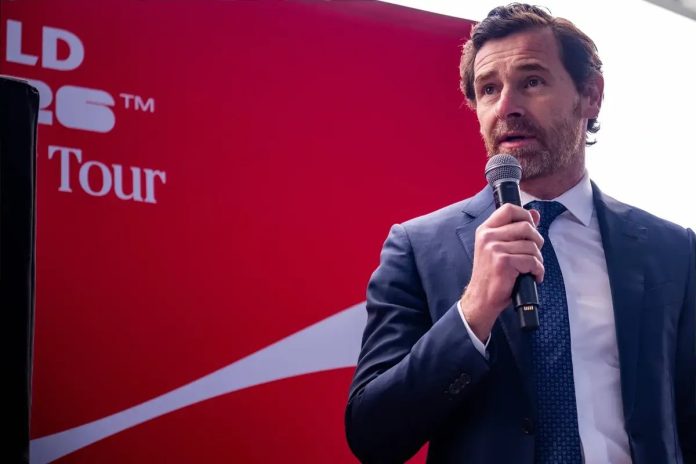
André Villas-Boas, manager of FC Porto, attempted to use humor to downplay issues that are, in fact, a reflection of an outdated and harmful mentality. His statements, far from easing the tension, evoke bad examples from decades past in a failed attempt to minimize what should be serious debates. The response from the president of Sporting, Frederico Varandas, quickly followed in the same tone, in an exchange of accusations that resembles a duel of egos rather than a constructive dialogue. The result? A glaring setback in the national sports culture, which takes us back decades instead of moving forward.
The coach of Sporting, Rui Borges, addressed the issue head-on during the preview of the match against Santa Clara, calling for a shift away from discussions about “stolen towels” and a focus on football instead. It is a sensible and urgent appeal, but it clashes with a harsh reality: it is precisely the leaders of the major clubs who fuel these sterile controversies that distract from what truly matters – the game itself.
However, the true root of the problem does not lie solely with these public figures or the rivalries between clubs, and certainly not with the fans. The greater blame, concerningly, falls on the Portuguese government. The current political stance merely perceives football as a mere circus spectacle, ignoring the profound social impact this phenomenon has on the country. The unhealthy rivalry among the three giants – Benfica, FC Porto, and Sporting – transcends sport and seeps into society, fostering an atmosphere of hatred and violence that has already led to tragic consequences, both inside and outside the stadiums.
As long as the political power continues to shift responsibilities onto the federations and maintain a passive stance of “let them sort it out,” the problem is only likely to worsen. It is not the clubs that should be demanding a place in Parliament; it is Parliament that should summon the key figures in football to take on a clear and responsible leadership role in this crucial debate for the future of national sport.
The country urgently needs a strategic, coordinated, and consistent plan for Portuguese football. Instead, we continue to waste time and dignity discussing televisions “that seem to have a life of their own,” suspicious odors, mysterious objects, and missing towels. We accept this degradation as normal, but as long as this mentality persists, national football will remain a hostage to itself, doomed to live in a spiral of conflicts and controversies that drive away the true values of the sport.
This is a wake-up call: either Portuguese football reinvents itself with seriousness and responsibility, or it will continue to regress, feeding a vicious cycle that only harms those who love this game the most – the fans and the country.
This article first appeared on Apito Final.
Discover more from Apito Final
Subscribe to get the latest posts sent to your email.

