FIFA is finally responding to the long-standing criticisms that have plagued major tournaments: in this World Cup, effective playing time has notably increased, and endless stoppages seem to have been minimized. A report from the BBC confirms what fans have begun to feel in the stands and in front of their televisions — the ball is in play longer, the spectacle is more intense, and stoppages for distractions or time-wasting are becoming increasingly rare.
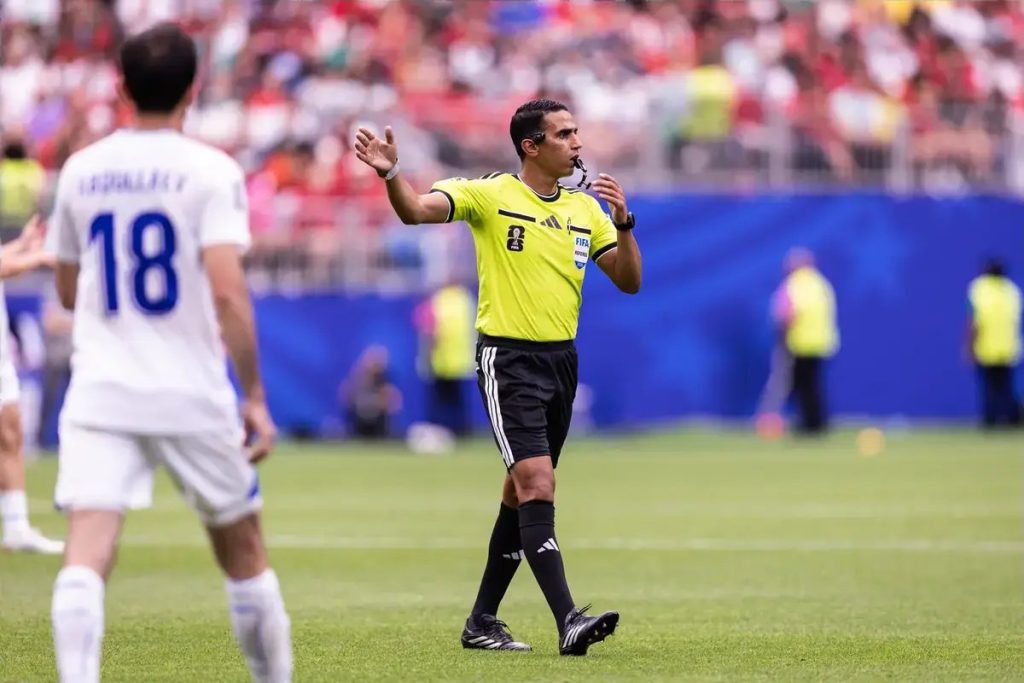
Since the start of the World Cup, FIFA has implemented strict measures to curb the proliferation of dead time, focusing on closely monitoring substitutions, reducing the so-called hydration breaks — breaks that have been widely criticized in recent times for interrupting the flow of the game — and strictly enforcing the rules regarding the exit of substituted players. According to data, effective playing time has significantly increased compared to previous editions, and the added time, which in the Qatar World Cup often pushed matches beyond 100 minutes, has sharply decreased. Interestingly, only one instance of a goal kick being overturned to a corner has been recorded so far, precisely in the match between Portugal and the Democratic Republic of Congo, illustrating the effectiveness of the new guidelines.
THE 2026 WORLD CUP COMES ALIVE WITH LEGO
This change is not merely statistical — it has a direct impact on the course of the competition and on the behavior of the teams. Modern football is a constant duel between players and regulations, in a cat-and-mouse game where new shortcuts are sought or small loopholes in the rules are exploited at every moment. However, FIFA’s new measures appear to have imposed additional discipline, especially concerning simulated injuries and time lost during substitutions. Substituted players now almost religiously adhere to the mandatory ten seconds to leave the pitch, and stoppages for injury show a clear downward trend — the fear of leaving the team playing with ten increasingly weighs on decisions.
The practical effect of this reduction in stoppages has been particularly felt in the final minutes of matches. According to a study by the BBC, around 30% of the goals scored in this World Cup have occurred in the last 15 minutes, a significant increase compared to the last three editions, where this figure did not exceed 25%. Although the difference may seem slight at first glance, it represents a relevant change in the competitive pattern of high-level competitions, as historical data indicates that only about 20% of goals occur after the 76th minute. This phenomenon raises questions: is fatigue leading to decisive errors? Are teams taking more risks close to the final whistle, aware that there is less room for time-wasting and interruptions?
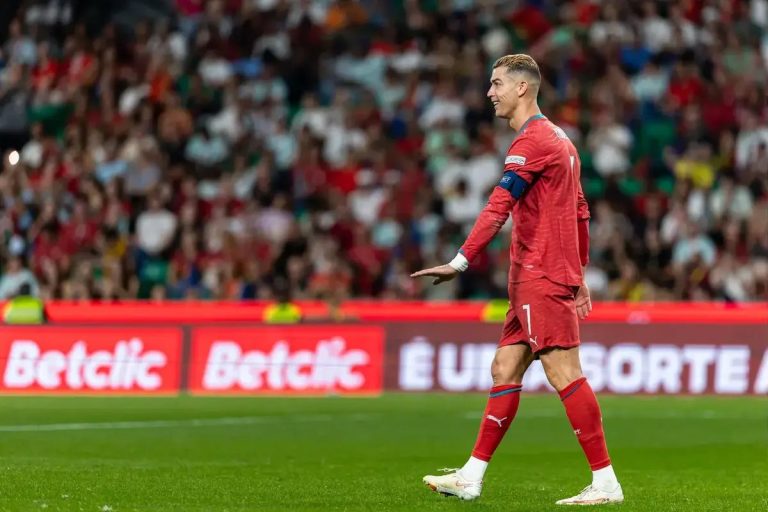
The expansion of the number of teams in the World Cup has also brought to light new discrepancies. On one hand, some matches seem decided from the outset due to the imbalance between teams; on the other, this marked difference has forced some teams to reinvent themselves and seek a more solid collective identity. Portugal, for example, has shown two completely distinct performances, raising doubts about the consistency of their collective play. The coach opted to change key players, and the team’s dynamics changed radically — the so-called domino effect of individual changes. The introduction of João Félix, for instance, was noted as crucial for the increase in offensive quality and the reaction to losing possession. “Still, credit should be given to the aggression and the increased ability to react to losing the ball,” highlighted a member of the coaching staff after the match.
Despite the visible increase in competitiveness, the question remains as to how Portugal — and other teams with high-quality squads — will respond when the level of difficulty rises in the knockout stages. “What will it be like when the level increases in the following phases? More than that, what identity will the team cling to when it is not enough to change the players to bring new things?” questioned the national coach at the post-match conference, admitting that the current solutions may not be sufficient against higher-caliber opponents.
Looking ahead, the expectation is that the high pace and useful playing time will continue to characterize this World Cup, with more goals in the final minutes and less room for time-wasting. Teams will have to adapt to a new reality in which effort management and squad depth will be even more decisive factors. For Portugal, the pressure is mounting: it will be essential to find a robust collective identity, capable of withstanding more organized opponents and games decided by the smallest details. One thing is certain — this World Cup promises excitement until the very last second, and any slip-up could be fatal.
NOW YOU CAN FOLLOW THE WORLD CUP WITH ALL THE INFORMATION – HERE
Discover more from Apito Final
Subscribe to get the latest posts sent to your email.