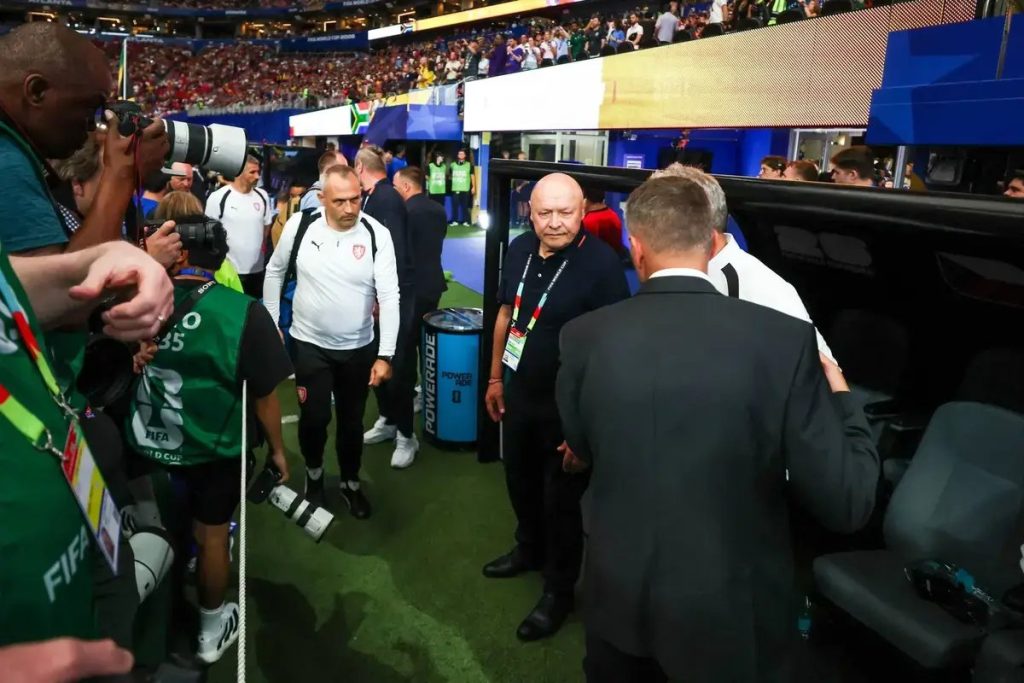
Thomas Tuchel could no longer tolerate the situation and forced an unprecedented change in the World Cup match protocol: photographers are now officially banned from the benches during the anthems. The decision comes after an unusual incident at AT&T Stadium in Dallas, which infuriated the England manager and prompted FIFA to intervene immediately, in a measure that promises to make history and spark heated discussions among media professionals and coaching staff.
Everything happened before the match in which England defeated Croatia 4-2. Tuchel, the man at the helm of the English team, found himself completely unable to observe his players due to the crowd of photojournalists between the substitutes’ bench and the pitch. “I can’t see my team,” the coach lamented, visibly frustrated by what he considered a genuine “visual blockage” at the moment of the national anthems. According to Tuchel, the situation exceeded all limits: “There were about 50 and I couldn’t see a single player. They ruined my experience,” he stated after the final whistle, still in Dallas.
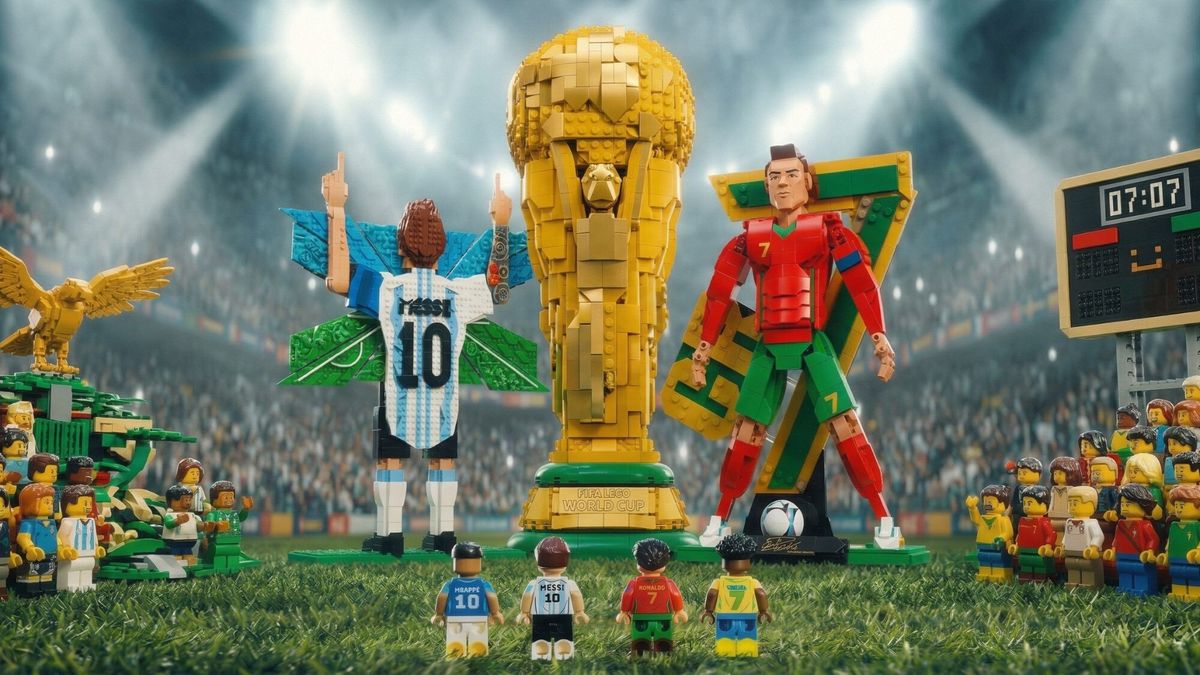
THE 2026 WORLD CUP IS EXPERIENCED WITH LEGO
A FIFA, confronted with Thomas Tuchel’s vehement protest and images that quickly went viral on social media, did not hesitate: from now on, photojournalists are prohibited from positioning themselves near the teams’ benches during the anthems, a measure that comes into immediate effect for all upcoming World Cup matches. This decision also comes at a time when the adaptation of American stadiums, such as the AT&T Stadium – home of the Dallas Cowboys and the venue for the controversial match – has drastically reduced the lateral space, making it impossible for a functional coexistence between benches and media professionals.
The controversy extends beyond Tuchel’s visibility. The episode raises serious questions about the balance between media coverage and respect for the work of coaches and players, especially during moments considered sacred, such as national anthems. For the England national team, which defeated Croatia and bolstered its title candidacy, the measure may seem like a detail, but it can have a direct impact on the team’s concentration and emotional environment before matches. For photojournalists, it represents an unprecedented limitation that could hinder the capture of iconic images of these solemn moments.
Tuchel himself, in justifying his position, did not hold back criticism of what he describes as a “lack of sensitivity” on the part of the local organization: “They ruined my experience,” emphasized the coach, highlighting that eye contact with the players during the anthem is essential for the group’s motivation and unity. For Tuchel, FIFA’s decision is a victory for common sense, but he makes it clear that he will not relinquish what he considers a fundamental right of the coach.
Now, with FIFA imposing new rules, the debate is set to heat up: to what extent should media access be restricted in the name of team comfort? Is this the beginning of a trend that could extend to other competitions? The World Cup continues, but the relationship between coaches and the media will never be the same again.
In the upcoming meetings, a more controlled environment is expected with the banks, as technical teams enjoy greater privacy and photojournalists face new restrictions in their work. For England, which has already shown strength and ambition, this change could be another factor for stability. For the other protagonists of the World Cup, the warning remains: Tuchel has already shown that he does not hesitate to challenge the status quo to defend his team.
NOW YOU CAN FOLLOW THE WORLD CUP WITH ALL THE INFORMATION – HERE
Discover more from Apito Final
Subscribe to get the latest posts sent to your email.