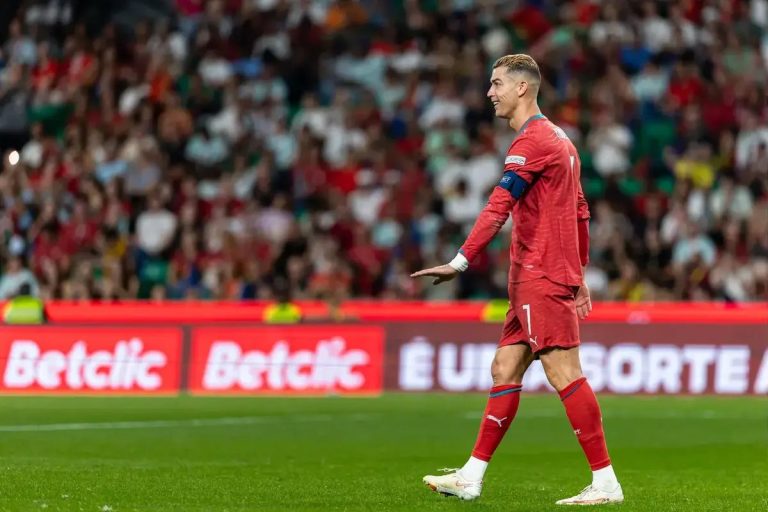
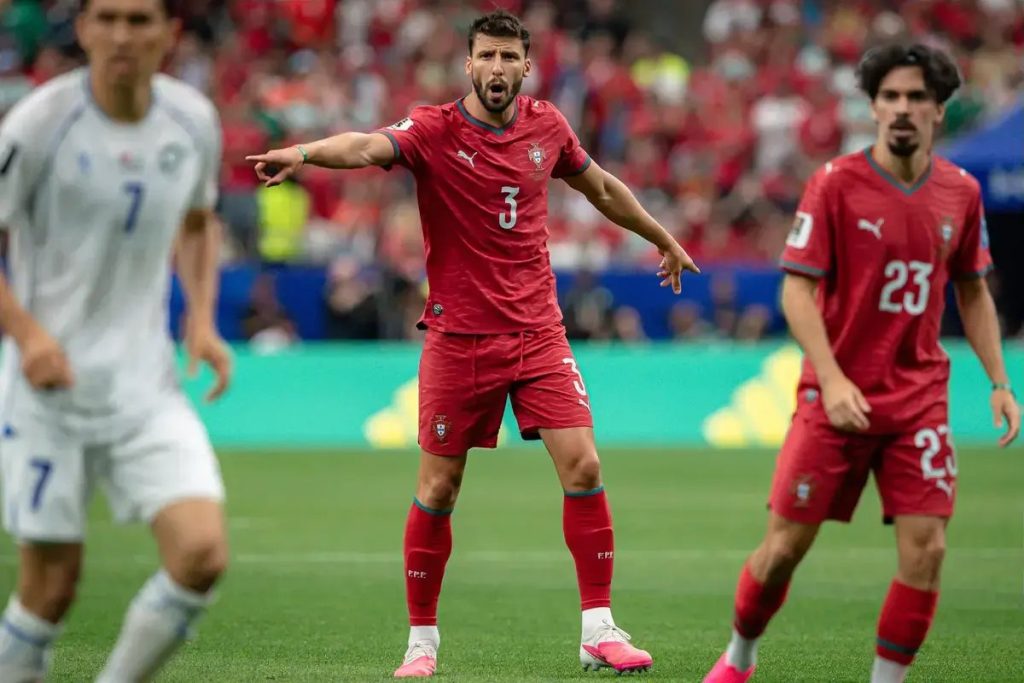
Rúben Dias sparked chaos by confusing, during a group defense, the roles of journalists, commentators, and public figures who flood social media, generating a wave of outrage and fierce criticism in the national media landscape. This confusion, further fueled by Diogo Dalot and the Portuguese Football Federation itself, reignited the debate over the boundary between information, entertainment, and opinion at a time when social media continues to gain ground over traditional press.
At the center of the controversy is an intervention by Rúben Dias during the last World Cup, where the national team’s central defender sought to protect his teammates from external criticism, ultimately lumping together journalists, influencers, comedians, and digital onlookers. The episode, which occurred after the decisive group stage match, quickly ignited newsrooms, with respected figures emphasizing the seriousness of the confusion. João Nuno Coelho, a sociologist passionate about football, was among the first to highlight the “tremendous confusion between journalists, commentators, and social media,” lamenting the negative impact this mix-up has on the public sphere.
The topic is of utmost importance for Portuguese football. In a context where the credibility of information is under constant attack, the inability to distinguish between those who inform, those who comment, and those who entertain undermines sports debate and fuels misinformation. The role of journalists and commentators is fundamental to the health of the game, while the proliferation of unfounded opinions on social media threatens to turn serious discussion into a circus of soundbites and empty controversies. The Portuguese Football Federation, athletes, and the clubs themselves therefore have a duty not to contribute to the confusion, at the risk of jeopardizing their relationship of trust with the public.
In recent statements, João Nuno Coelho lamented: “Rúben, Diogo Dalot, the FPF, have an obligation to know it too and not to help everyone continue to confuse the Estrada da Beira with the edge of the road. Or, more eruditely, the masterpiece of the Master with the cousin of the master builder.” The words of the sociologist, spoken during a television commentary, resonated in the corridors of the media, which demand respect for their work and warn of the danger of leveling everything down.
In the midst of this climate of tension, some recall that the real privilege lies in the opportunity to witness a World Cup with Cristiano Ronaldo and Lionel Messi still on the field, figures who have elevated the game to an unprecedented level. However, episodes like the one involving Rúben Dias demonstrate that there is much to be done in the media education of athletes and in the role of federations in promoting a healthy communication ecosystem. Sporting, for instance, shows signs of wanting to resume conversations with the supporters, recognizing the importance of serious dialogue and commitment. Meanwhile, Benfica is entering a new era, with Marco Silva under scrutiny, trying to restore ambition to a club that starts behind its rivals.
What comes next for Portuguese football? It is urgent that institutions promote media training for players and officials, reinforcing the distinction between accurate information and digital noise. Otherwise, the risk of devaluing public discourse and eroding fan trust will only increase. The debate over the boundaries between journalism, commentary, and entertainment will intensify, especially as social media gains influence and football protagonists also become content creators. The coming months will be crucial to understand whether national football can finally separate the masterpiece of the Master from the work of the master builder—and restore the seriousness to sports debate that true fans demand.
NOW YOU CAN FOLLOW THE WORLD CUP WITH ALL THE INFORMATION – HERE
Discover more from Apito Final
Subscribe to get the latest posts sent to your email.