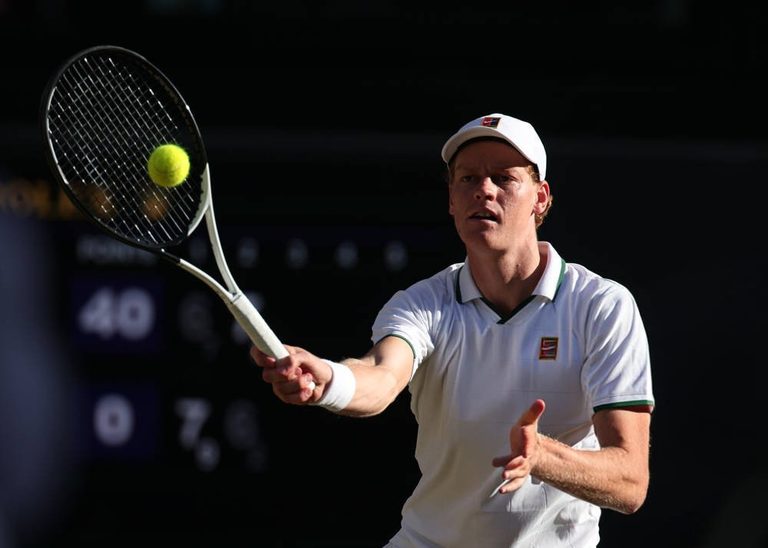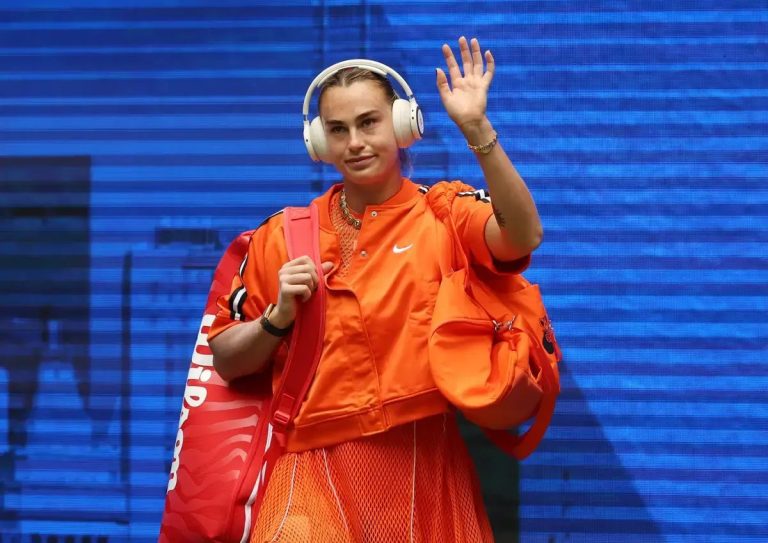
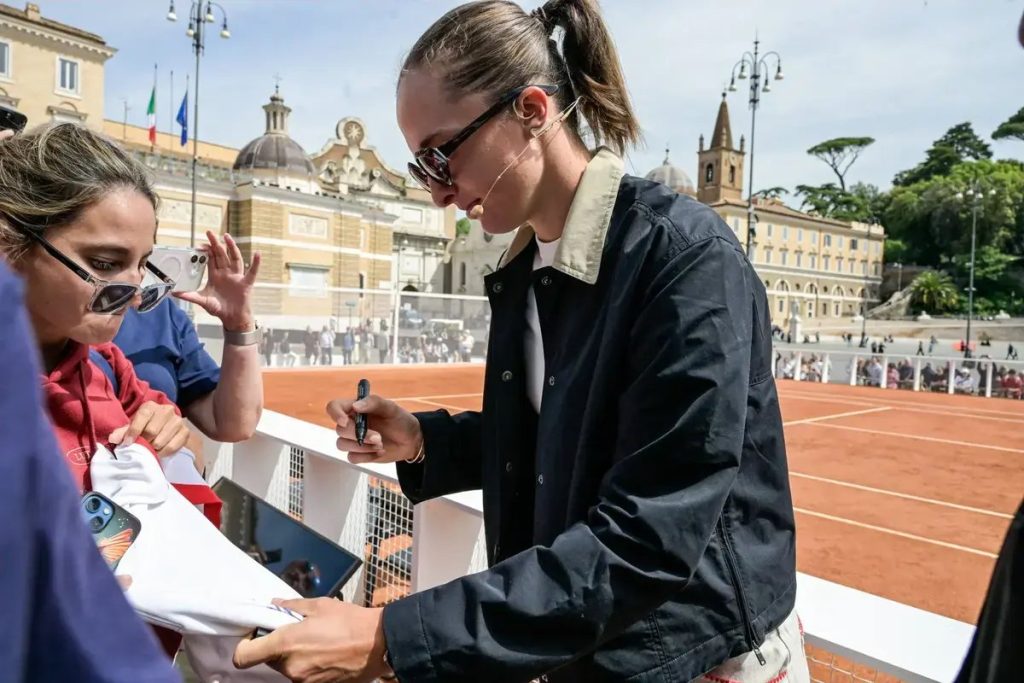
Iga Swiatek, the Polish star of world tennis, has once again stirred the tennis landscape by openly criticizing the distribution of prize money at the Roland Garros, one of the most iconic tournaments on the circuit. In strong statements made from Rome, Swiatek warns of the injustice players face, but distances herself from any radical idea of a boycott, labeling such a possibility as “a rather extreme situation.”
Following Aryna Sabalenka, it is now Iga Swiatek’s turn to add her voice to the criticism regarding the percentage of prize money allocated at the French tournament: only 14% of the total profits from Roland Garros will be distributed among the players, a figure that has sparked outrage in both the men’s and women’s circuits. Swiatek does not hesitate to assert that “it is not the increase in prize money that we want, because the percentage of profits is decreasing.”
With a clear and incisive analysis, the Polish player emphasizes that “the most important thing is to have proper communication and dialogue with the organizing bodies, so there is room for fair negotiations.” Swiatek makes an appeal for meetings to take place before the start of the Roland Garros that could open the door for understanding and solutions that satisfy both parties.
However, when asked about the possibility of a boycott, the world number one remains cautious: “Boycotting a tournament is quite an extreme situation. We are individual players competing against each other, and it’s hard to imagine how that could work or if it’s even a real option.” Her position reveals a strategic maturity, highlighting the balance between the fight for rights and responsibility towards the sport.
But the Polish star did not stop with this controversy. Swiatek also opened up about the difficulties she has faced recently, particularly the virus that forced her to withdraw from the Madrid tournament. “It was literally horrible. The day before the match, I was completely out of action, and on the day of the game, I had no energy to compete normally,” she confessed. Fortunately, the recovery was quick, and even though she was weakened, Swiatek chose not to travel to avoid unnecessary risks.
Upon arriving in Rome, the tennis player felt revitalized and capable of training at 100%, making it clear that her recovery was swift despite the unfortunate timing of her illness. “Many players got sick, so I think it was hard to avoid,” she concluded.
In addition to physical issues and the controversy surrounding finances in tennis, Swiatek also highlighted her technical evolution and her relationship with coach Carlos Roig, a collaboration she considers fundamental to her growth. “I feel that we understand each other very well and share the same vision for my game. He has helped make my style more natural, solid, and disciplined. I’ve tried various options in training, which is fantastic, as I hadn’t been completely comfortable with my tennis for months,” the Polish player revealed.
Iga Swiatek thus remains in the spotlight, not only for her unquestionable talent on the court, but also for her critical and mature voice off the court. The near future of tennis may be marked by decisive negotiations regarding athlete rights, and Swiatek is preparing to be one of the key figures in this essential chapter of the sport. Whether Roland Garros will face a boycott or not remains to be seen, but one thing is certain: the pressure from players is growing and can no longer be ignored.
This article first appears on Apito Final.
Discover more from Apito Final
Subscribe to get the latest posts sent to your email.