
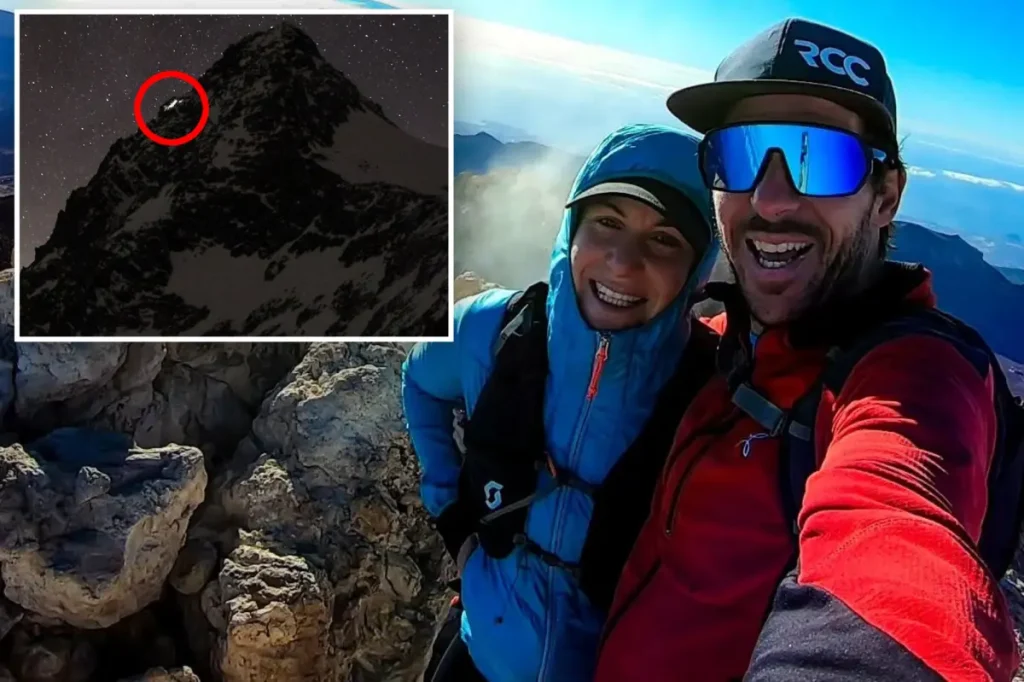
A tragic case in the mountains of Austria has shocked the world of sports and adventure, culminating in a conviction for involuntary manslaughter. A climber, who left his girlfriend seriously injured to seek help, has now been sentenced to prison, raising questions about ethics, responsibility, and the limits of survival in extreme situations.
The incident occurred on the famous Großglockner, the highest peak in Austria, where climber Kerstin G. suffered a fall that left her incapacitated. Her boyfriend, instead of staying by her side and trying to assist her, made the controversial decision to descend the mountain in search of help. A decision that, according to the court, had fatal consequences.
Debrief, a well-known news portal, revealed the defendant’s statements during the trial, where he expressed his suffering and his intention to save his girlfriend. “The only thing I thought was that I needed help and that she wouldn’t survive without it,” he stated, in an attempt to justify his choice. However, the court did not find this defense sufficient, arguing that his action was a clear abandonment at a critical moment.
The judge, in delivering the sentence, did not hesitate to emphasize the climber’s responsibility, stating that “abandoning someone in an emergency situation is an act that cannot be tolerated.” The conviction sparked a heated debate about morality in the mountains and what it truly means to be a partner in crisis situations.
The story of Kerstin G. is a painful reminder of the realities faced by those who challenge the heights. What goes through the mind of someone who decides to leave a loved one in such a dangerous situation? Experts in ethics and mountain safety are now questioning whether it is possible to train climbers to make better and more empathetic decisions in moments of desperation.
The case has not only impacted the climbing community but also sparked a wave of support and protest on social media. Many argue that the unpredictable nature of the mountains should be accompanied by greater training in rescue and survival, while others call for a deeper reflection on the decisions we make under pressure.
The outcome of this case highlights the complexity of life in the mountains, where every choice can have devastating consequences. The condemnation of the climber serves as a warning to all who venture into unknown terrain: responsibility does not end when difficulties begin.
Discover more from Apito Final
Subscribe to get the latest posts sent to your email.