
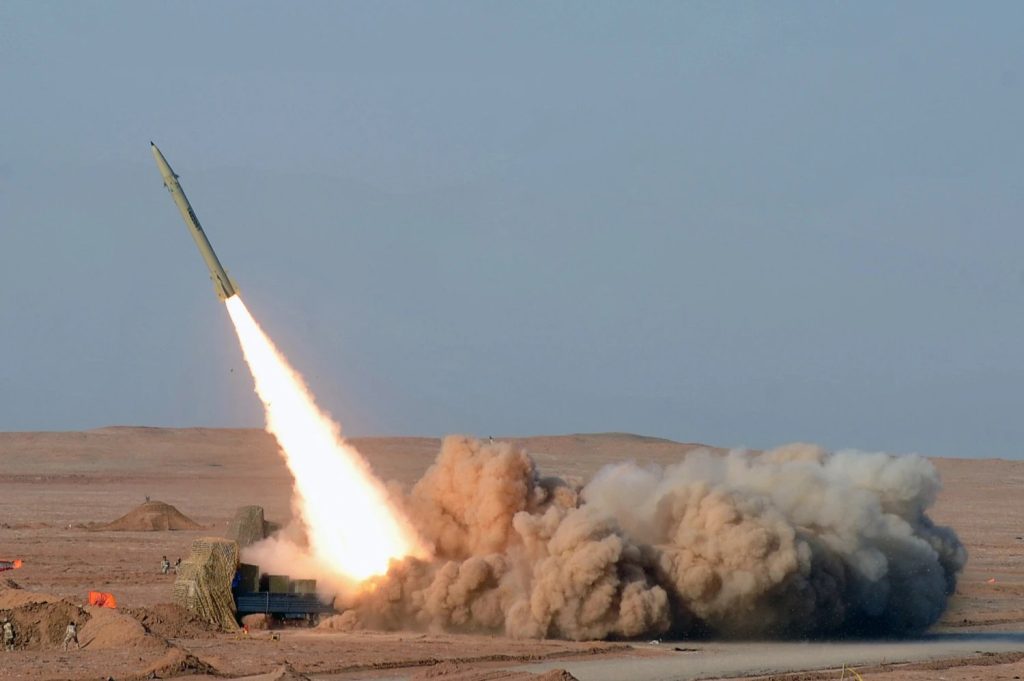
The conflict with Iran has proven to be one of the largest bills in the military history of the United States, with astronomical costs already reaching $12.7 billion just on the sixth day of operations. This staggering amount highlights the severity of the situation, raising questions not only about the viability of the intervention but also about the long-term impact it will have on American finances and politics.
Available data reveals how this colossal investment is being distributed. From funding military operations to logistical support, every dollar counts in a war that, as it progresses, seems increasingly without an end in sight. The initial analysis, presented in illustrative graphs, shows the allocation of resources and the weight each category represents in the budgetary balance. The numbers are alarming and reinforce the need for an honest discussion about the costs of contemporary wars.
“The costs are not just financial; they are also human and social,” emphasized a military economics expert. The implications for American society could be profound, affecting everything from education to public health. It is crucial that the population is aware of what is at stake, as every decision made at high levels has direct repercussions on the daily lives of citizens.
The military intervention in Iran is not limited to a mere armed conflict; it represents a geopolitical struggle with deep roots that affect global security. The complexity of the situation demands critical analysis and reflection on the consequences of military escalation.
Statements from political leaders and defense experts remain a point of contention, with many arguing that the costs of this war could have been invested in peace and development initiatives. “We are spending a fortune on a war that could have been avoided,” said an analyst, emphasizing the need for a more diplomatic approach.
In this context, it is essential for the public and decision-makers to understand the repercussions of such investments. The fate of the nation may well depend on how leaders approach this conflict and its financial, social, and political consequences.
As the conflict progresses, questions about the sustainability and ethics of war continue to be debated, leaving many uncertainties about the future. What is certain is that the cost of war keeps rising, and society must be prepared to bear the consequences of decisions that sometimes seem to be made without due consideration of their implications.
Discover more from Apito Final
Subscribe to get the latest posts sent to your email.