
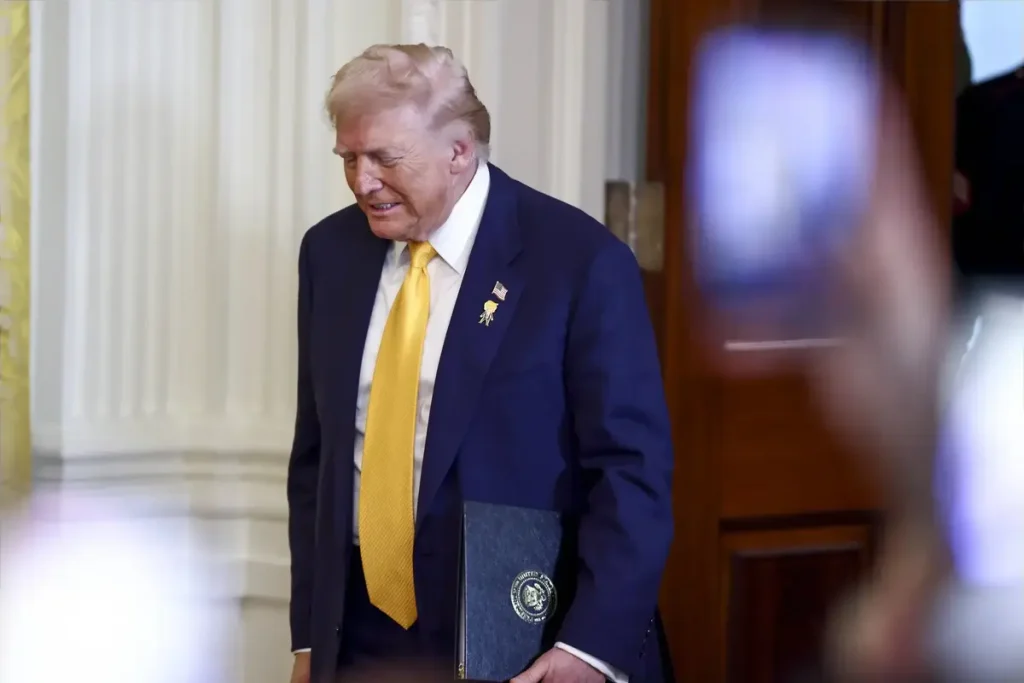
The war in Ukraine continues to be a hot and controversial topic, raising profound questions about justice and the responsibilities of the United States. Recently, the White House made strong statements regarding former President Donald Trump’s views on the conflict, which he considers “very unfair” both to those who have died in combat and to American taxpayers. This statement reflects the growing discontent and polarization surrounding U.S. support for Ukraine.
The Biden administration, in addressing the repercussions of the war, emphasized the importance of understanding the human and financial impact of this prolonged conflict. “Trump’s vision is alarming, as it ignores the realities of a war that has devastating consequences not only for Ukraine but also for global stability,” a White House spokesperson stated, adding that investment in military and humanitarian aid is essential to protect freedom and democracy.
Trump, for his part, expressed concerns about the use of American resources in a conflict that, according to him, does not have a clear benefit for U.S. citizens. “It’s unacceptable that taxpayers are paying such a high price for a war that many consider not to be ours. It is a tragedy that should have been avoided,” he said, emphasizing that the current administration has failed to effectively communicate the strategic objectives of support for Ukraine.
The former president remains a polarizing figure, and his opinions on the war in Ukraine reflect a growing sentiment among a significant portion of the American population that questions the U.S. military and financial involvement in international conflicts. The White House, aware of this rising rhetoric, seeks to reaffirm the importance of American commitment to Ukraine, emphasizing that the fight against Russian aggression is a struggle for freedom that resonates beyond the borders of Europe.
As the war progresses, political tensions in the United States regarding this issue are only likely to increase. The dilemma between the need to assist a threatened ally and the legitimate concerns about the cost of that assistance is becoming increasingly relevant, with implications that could shape the future of American foreign policy. The debate is far from over, and the question remains: how far are the United States willing to go to support Ukraine, and what will be the price to pay?
This heated discussion is not just a matter of domestic politics but a reflection of the role that the United States wishes to play on the global stage. With public opinion divided and future elections on the horizon, how the Biden administration and its opponents address this issue may well influence the direction of American policy in the coming years.
Discover more from Apito Final
Subscribe to get the latest posts sent to your email.