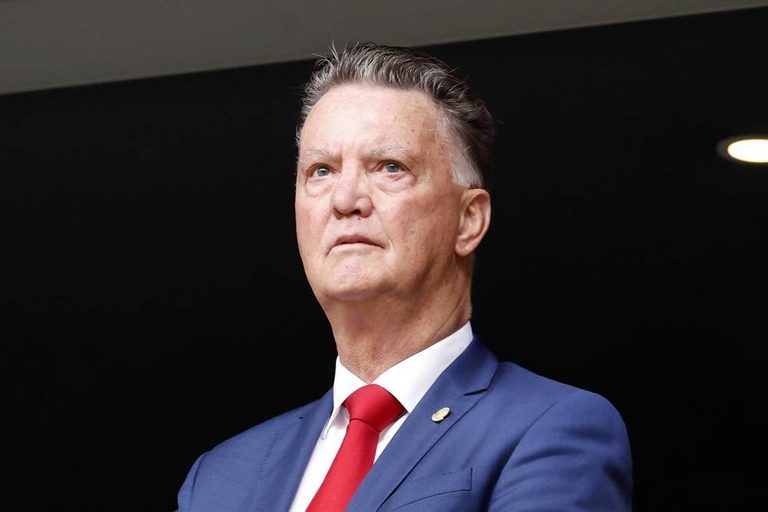
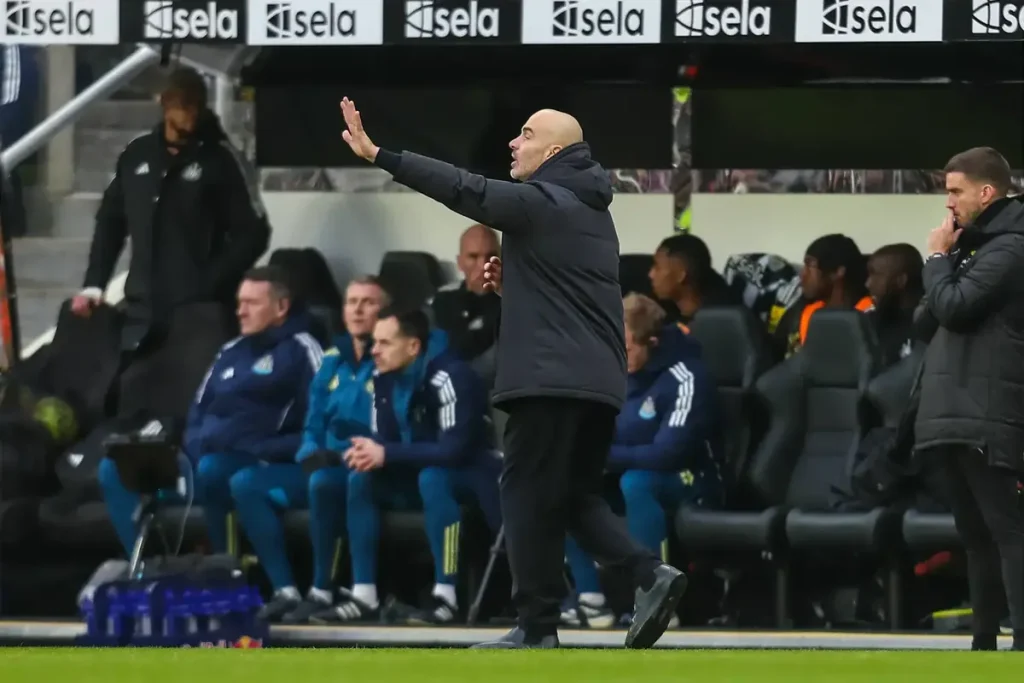
The recent decision by Chelsea to part ways with Enzo Maresca was not merely an impulsive act, but rather the result of a series of interconnected factors that culminated in a breakdown of trust between the coach and the club’s management. Internal narratives reveal a tense environment, marked by disagreements, performance concerns, and external distractions that undermined Maresca’s position. Journalist Ben Jacobs highlights that one of the critical points was the growing rift between the Italian coach and Chelsea’s medical and performance departments.
The club’s management emphasizes that decisions related to player workload, physical condition management, and long-term well-being should be made by consensus. This stance reflects a broader philosophy adopted by Chelsea, which prioritizes data-driven medical governance over the coach’s intuition, especially in a squad filled with young talents and significant recent investments.
On the other hand, Maresca viewed the situation differently. The coach felt unsupported and undermined, considering the repeated medical interventions as a form of interference. People close to him claim that he felt undermined at crucial moments, a tension that became increasingly visible in recent weeks. After Chelsea’s game against Bournemouth, contrary to initial speculation, Maresca was not ill; he chose not to speak publicly while assessing his future at the club.
The situation was further complicated by reports that Maresca and Manchester City had already held informal talks about a possible return to the club while he was still in charge at Stamford Bridge. This revelation took many within Chelsea by surprise and raised red flags about his focus and commitment.
For Chelsea’s senior executives, the possibility that Maresca was distracted by the idea of returning to the Etihad raised concerns about his concentration. On the pitch, the team’s inconsistency only fueled doubts, with alarming statistics showing that Chelsea had dropped 20 points from winning positions in both the Premier League and UEFA Champions League competitions. There was a growing fear regarding a lack of mental resilience and leadership in crucial moments, especially in pressure games, where game management proved costly.
What may seem like a sudden departure for Maresca from Chelsea was, in fact, a situation that had been unfolding behind the scenes. Now, the club is already moving quickly to find a new manager, with a 41-year-old candidate being identified as the leading name on the list. Maresca’s exit not only marks the end of an era but also signals a critical moment for Chelsea, which is looking to reverse its trajectory and regain the confidence of its supporters.
Discover more from Apito Final
Subscribe to get the latest posts sent to your email.