


When Fabio Cannavaro lifted the World Cup trophy at the Olympiastadion in July 2006, it seemed that Italian football was on the brink of entering a new era of glory. The Italian national team, known as the Azzurri, achieved a dramatic victory over a star-studded France, including Zinedine Zidane and Thierry Henry, in an exhilarating final that culminated in a penalty shootout. However, nearly two decades later, this triumph stands in stark contrast to the current state of football in Italy.
After the humiliating elimination in the qualifying rounds for the 2018 World Cup in Russia and the 2022 World Cup in Qatar, Italy finds itself on the verge of becoming the first world champion to miss three consecutive tournaments. Although the victory in Euro 2020, where the Azzurri defeated England, offers a glimmer of hope, this success appears to be an exception amid a series of disappointments.
This year’s World Cup qualifying campaign has been described as “torturous.” From the outset, Italy’s journey has been marked by unexpected twists. Coach Luciano Spalletti was dismissed shortly after a 3-0 defeat to Norway in June, an alarming sign of the difficulties the team would face. Although he managed the team for three more days, including a victory over Moldova, his departure already indicated the challenges that lay ahead.
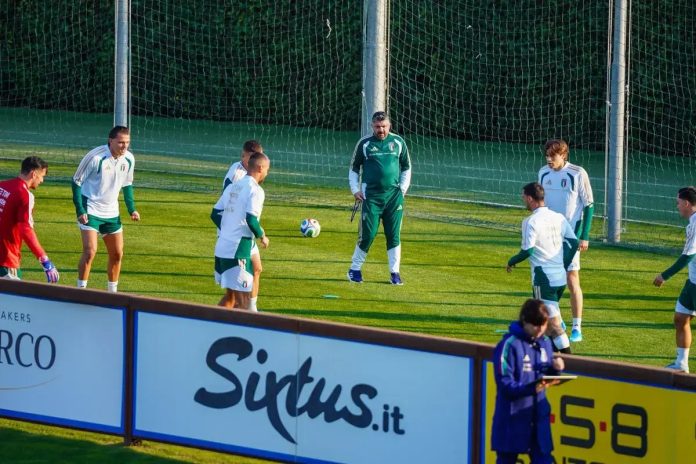
In a surprising move, Gennaro Gattuso, former player for the national team and clubs such as AC Milan and Napoli, has been appointed as the new coach. Italian football journalist Emmet Gates believes Gattuso was chosen only because “no one else wanted the job.” In statements to BBC Sport, Gates said: “Nothing in Gattuso’s coaching career indicates that he is an elite tactician. He won the Coppa Italia with Napoli, but compared to his predecessor, he is light years away.”
Despite doubts about his abilities, Gattuso achieved an impressive turnaround, leading Italy to five consecutive qualifying wins, including victories over Estonia and Israel. However, the joy was short-lived, culminating in a second and humiliating 4-1 home defeat to Norway, leaving the 2006 champions in second place in Group I. Now, Italy finds itself once again in a playoff situation, facing Northern Ireland in a semifinal in Bergamo, where victory is essential to secure a spot in this summer’s World Cup.
The growing reliance of Serie A clubs on foreign talent is becoming a recurring theme in Italian football. In the 2006 final, the national team featured a blend of iconic players such as Gianluigi Buffon, Cannavaro, Alessandro Del Piero, and Francesco Totti, all nurtured in a system that now appears outdated. The success of that generation was the result of a development model that no longer exists, a model that produced talents in abundance.
In the decade leading up to the triumph in 2006, the under-21 national team, under the guidance of Cesare Maldini, won three consecutive European championships, creating a solid foundation comprised of players who already had extensive experience in clubs such as Parma, Napoli, Roma, and Juventus. However, the significant shift in the landscape of European football came with the Bosman ruling in 1995, which changed the rules regarding non-European players, allowing for a greater influx of foreign talent and, consequently, reducing opportunities for local players.
The combination of disastrous management, lack of investment in local talent, and a deficient training structure is placing Italy in a precarious position. The future of Italian football is at stake, and the pressure to return to the global elite is greater than ever. Every step on the path to the World Cup is crucial, and the Azzurri urgently need to rise from the ashes of a golden era that now seems distant.
This article first appeared on Apito Final.
Discover more from Apito Final
Subscribe to get the latest posts sent to your email.

