


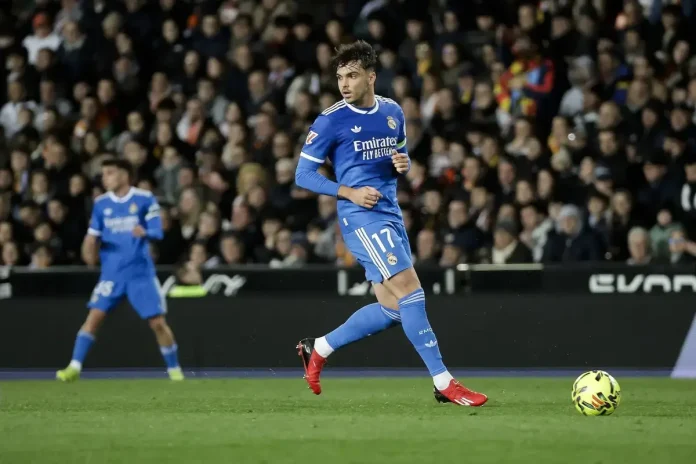
The recent turnaround by Real Madrid in the controversial Super League project has placed the institution in the spotlight, sparking heated debates about the true impact of this decision. At the heart of this turmoil was the UEFA Executive Committee meeting, which, after a 20-minute wait, revealed an unexpected transformation in the landscape of European football. President Aleksander Ceferin and Nasser Al Khelaifi, president of the European Football Clubs (EFC), came to the fore, announcing that Real Madrid was returning to the fold of the EFC, previously known as the European Club Association. For many, this move was seen as an unprecedented surrender by Florentino Pérez, marking what many consider to be the final defeat of the Super League.
Al-Khelaifi, in a bold statement, declared that anyone who believed Pérez “lost” was “stupid and knows absolutely nothing about football.” A perceptive remark that reveals the complexity of the situation. The idea that Pérez has “lost” only makes sense if the Super League project is viewed as the sole objective, but the truth is that it represents just a part of a broader struggle by the major clubs to control the game of football. This perspective, according to analysts, was precisely what Pérez has always sought.
What is emerging from this scenario is a new power dynamic in European football. Real Madrid, by returning to the EFC, aligns itself with a structure that now holds an unprecedented role in the hierarchy of football, almost like a third authority alongside UEFA and FIFA. The question that arises is: why would Real Madrid not return to the fold? The club’s exit from the Super League resulted in a strengthened relationship between UEFA and the new ECA led by Al-Khelaifi, culminating in a partnership where both entities jointly manage the Champions League and European competitions through the new company UC3.
However, despite the apparent unity displayed at the recent UEFA summit, tensions remain beneath the surface. Many stakeholders view this new configuration as merely an accommodation of the power dynamics of the Super League, rather than a true solution to the problems plaguing the sport. The growing membership in the European Club Association and behind-the-scenes discussions during the Congress reflect this dissatisfaction.
Furthermore, the new format of the Champions League is seen by many as an institutionalized Super League, albeit with some concessions to the rest of football. While some EFC members advocate for the success of the new Europa Conference League, there is a growing concern that this system merely solidifies financial stratification, excluding large parts of the game.
The EFC has also played a crucial role in shaping the new FIFA Club World Cup, a project that raises serious concerns for UEFA, particularly regarding how the prize money could destabilize the football ecosystem. Although the EFC has claimed a solidarity commitment of €250 million for non-participating clubs, many clubs have yet to see a cent of that amount, leading to growing discontent among the involved entities.
This complex narrative of European football continues to evolve, and Real Madrid’s recent decision may be just the beginning of a new era of disputes and alliances, where the control and influence of the larger clubs are at stake. The repercussions of this maneuver go far beyond what appears at first glance.
Discover more from Apito Final
Subscribe to get the latest posts sent to your email.

